National News – President Bola Tinubu’s request for a $516.33 million external loan to fund sections of the Sokoto–Badagry Super Highway has triggered national debate over Nigeria’s borrowing strategy.
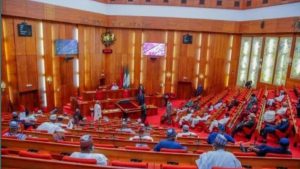
The proposal, presented to the Senate on Thursday in Abuja, seeks financing for Sections 1, 1A and 1B of a 1,000-kilometre road linking Sokoto, Kebbi, Niger, Kwara, Oyo, Ogun and Lagos states.
The project, aimed at improving connectivity, reducing travel time and strengthening economic integration between northern and southern Nigeria, is expected to be financed through Deutsche Bank.
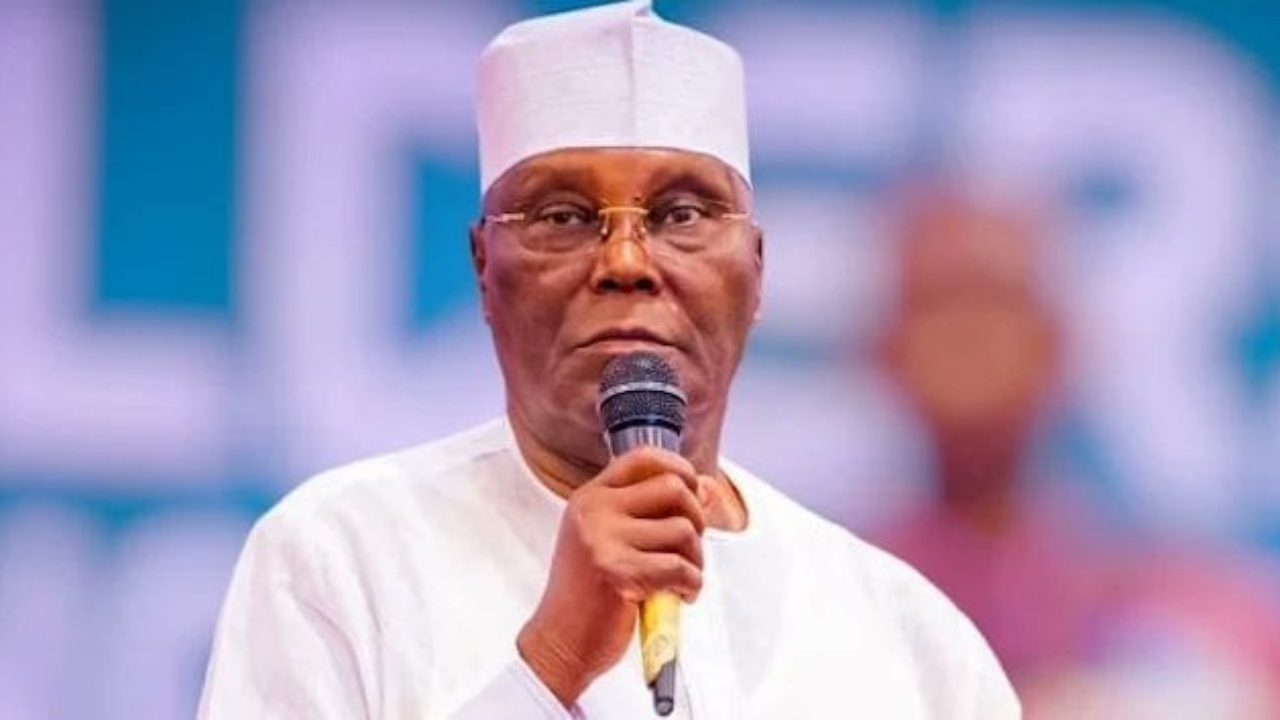
The development has drawn attention from former Vice President Atiku Abubakar and economists who are questioning the timing, transparency, and sustainability of further external borrowing.
The Senate Committee on Local and Foreign Debts is currently reviewing the request for legislative consideration.
Atiku argues Nigeria risks deepening a “debt trap” without clear repayment plans, cost transparency, or measurable benefits.
He warned that development should not be financed through opaque borrowing that burdens future generations.
In Lagos and other urban centres, some residents echoed concerns about rising debt servicing costs, saying government spending priorities should be more visible in everyday economic relief.
Critics also question whether projected toll revenues from the highway will realistically offset long-term repayment obligations.
Economists remain divided. Professor Akpan Ekpo cautioned that Nigeria’s external debt exposure is becoming excessive, recommending public–private partnerships, concessions and better use of oil revenue windfalls for infrastructure instead of borrowing.
In contrast, Dr Ayo Teriba defended the loan, describing it as a productive capital investment that will generate long-term returns.
He noted that the interest rate is relatively lower than previous borrowing and argued that local banks should be integrated into infrastructure financing through reforms in liquidity management.
The Senate Committee will scrutinise the loan amid broader concerns over Nigeria’s debt sustainability and infrastructure needs.
The project is expected to influence regional trade and mobility across northern and southern Nigeria, but public opinion remains split between long-term development hopes and fears of fiscal strain.
Analysts say transparency and financing mix will determine public confidence in the project.