
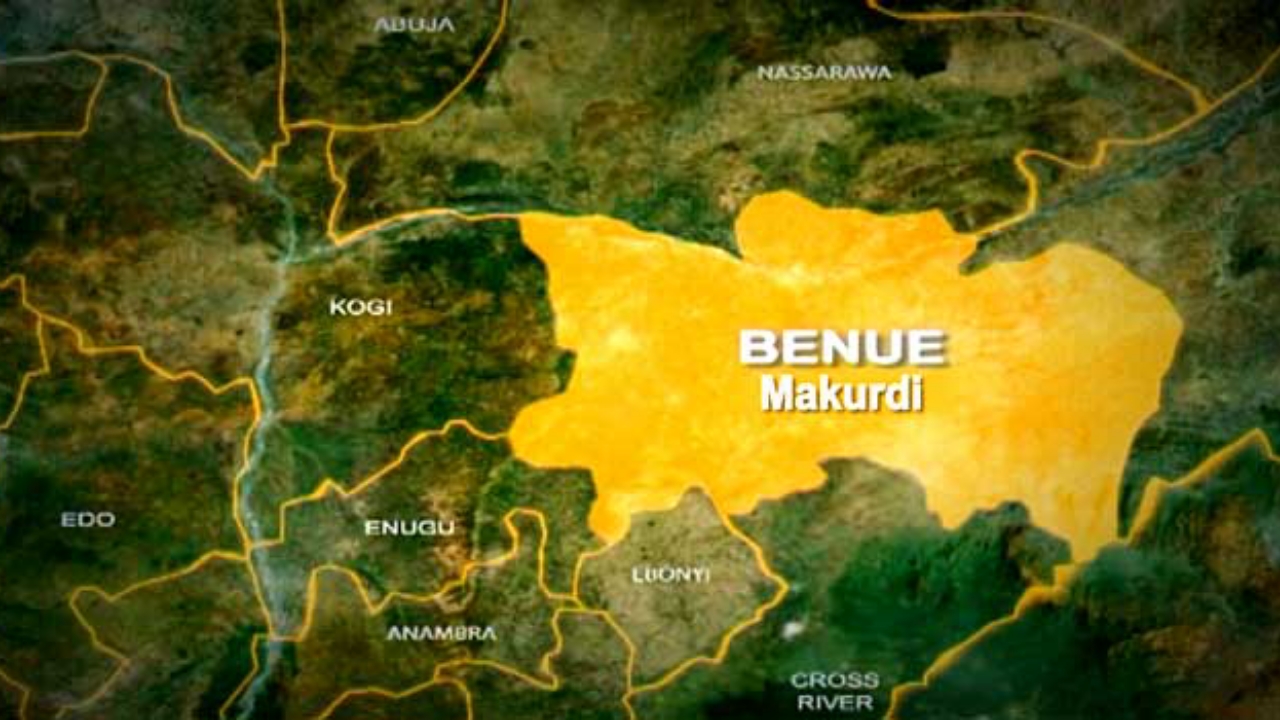
National News – A traditional ruler, Chief Momo Awodi, his wife Abigail, and their son were killed on Thursday night in Olegabulu community, Agatu Local Government Area of Benue State, in what residents describe as a calculated and deceptive attack.
The incident, which also claimed two other lives and left one injured, has intensified fears about worsening insecurity in rural Nigeria.
According to local accounts, the attackers arrived on motorcycles and blended in by speaking the local dialect before launching their assault.
Witnesses said the gunmen first targeted the monarch’s residence, opening fire on the family, before moving to another home to continue the killings.
The entire operation reportedly lasted about 20 minutes, leaving panic and displacement in its wake.
The chairman of Agatu LGA, Melvin Ejeh, confirmed the killings on Friday, stating that security operatives had since visited the scene.
However, the Benue State Police Command said it was still awaiting a full report at the time of filing this story.
This attack reflects a disturbing shift in tactics, where assailants now disguise themselves as locals to evade suspicion.
Agatu and surrounding communities have long faced violent incursions, often linked to disputes over land and resources.
The latest killings suggest that despite increased security rhetoric, vulnerable rural areas remain exposed.
Local Reaction
Residents expressed anger and frustration, noting that trust within communities is eroding.
“If attackers can speak our language and move freely, then nowhere feels safe anymore,” one resident lamented.
The killing of a traditional ruler carries symbolic weight, undermining local authority structures that often serve as first lines of conflict resolution.
Analysts warn that such incidents could deepen instability, disrupt farming activities, and worsen food insecurity in Benue, a key agricultural hub.
Without improved intelligence gathering and community-based security collaboration, attacks like this may persist.
The government’s response will likely be judged not by visits after incidents, but by preventive action that restores public confidence.