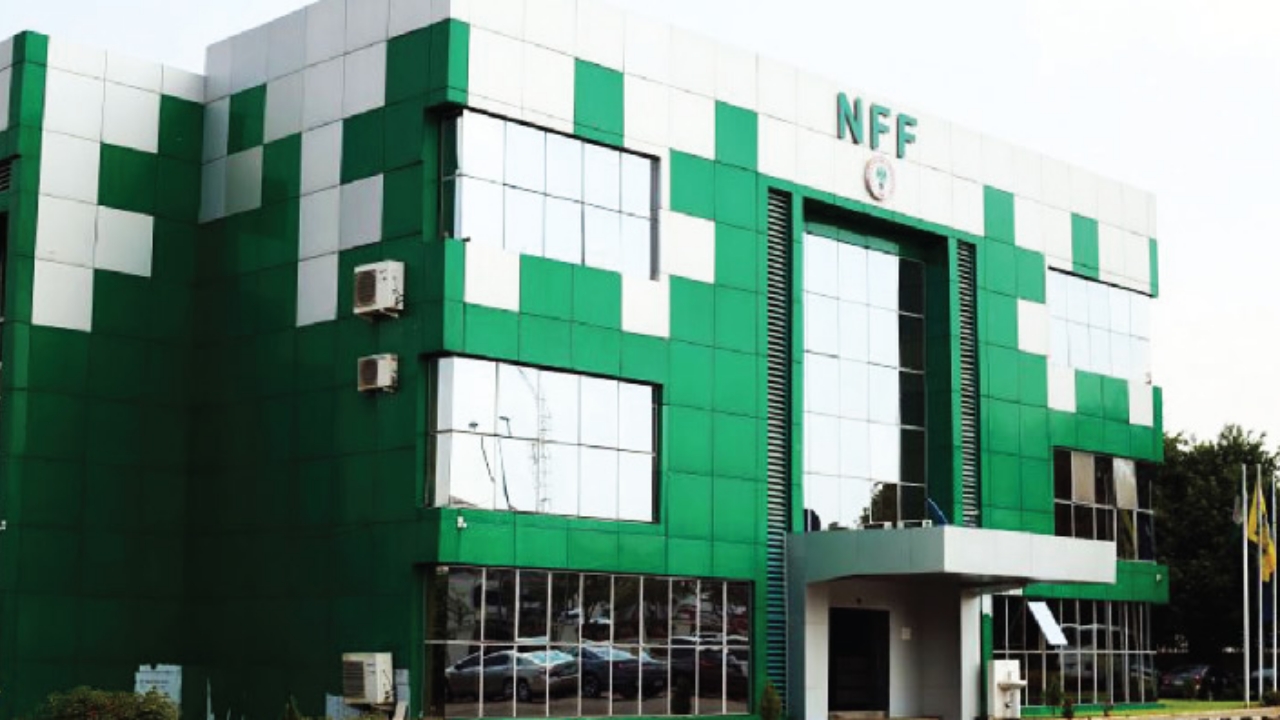
National News – The Nigeria Football Federation (NFF) has ordered that all state-level finals of the 2026 President Federation Cup be concluded this weekend across 35 states and the Federal Capital Territory, with the exception of Lagos State, which received approval for a postponement due to a government event at its proposed venue.
The directive, issued ahead of the national stage, is aimed at ensuring smooth progression of the competition and comes with a warning that defaulting states risk a ₦1 million sanction.
The move affects competitions scheduled for April 25–26, 2026, across Nigeria.
Beyond the scheduling directive, the NFF’s insistence reflects efforts to streamline Nigeria’s long-running Federation Cup structure, which begins at state level before transitioning into a national knockout stage.
The 2026 edition is expected to produce 74 qualifying teams, with lower-tier sides entering preliminary play-offs before joining Nigeria Premier Football League and Nigeria National League clubs at the round of 64.
The temporary break in the NPFL calendar underscores the competition’s importance, allowing clubs to prioritize cup fixtures without league congestion.
Across several states, football administrators and club officials have described the directive as strict but necessary, noting that delayed fixtures have historically disrupted Nigeria’s football calendar.
Fans have also expressed mixed reactions, with some welcoming the urgency to maintain competition flow while others worry about logistical pressures on state associations.
The Lagos exemption, however, has sparked mild debate, with stakeholders questioning consistency in scheduling fairness despite the justification provided by officials.
Analysts say the enforcement could improve tournament discipline and reduce fixture backlog, but its success will depend on state associations’ readiness and funding.
If strictly implemented, the Federation Cup may achieve a more predictable calendar, boosting competitiveness and scouting opportunities for lower-division clubs.
However, repeated sanctions may strain smaller state FA budgets, raising concerns about sustainability.
Ultimately, the directive highlights the NFF’s push for tighter governance and alignment between league and cup competitions in Nigerian football.
Stakeholders expect compliance monitoring throughout the weekend to ensure uniform completion nationwide.