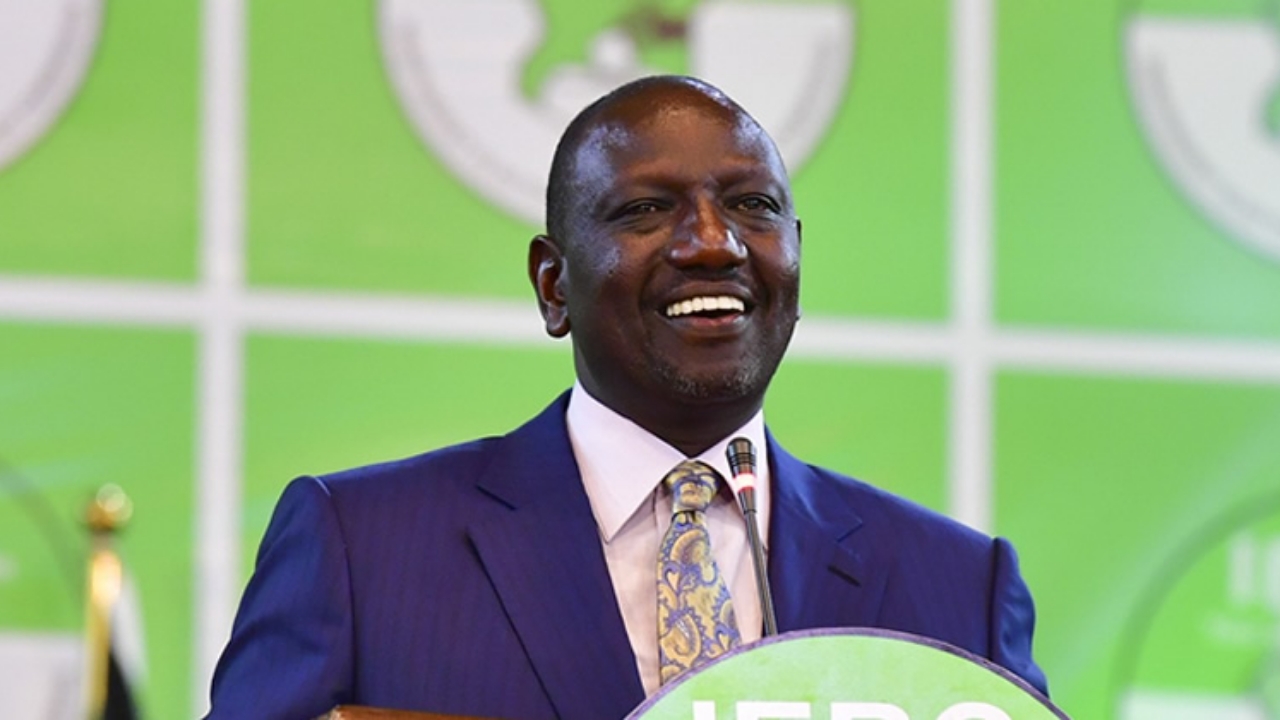
National News – Kenya’s President, William Ruto, has publicly credited Nigerian industrialist Aliko Dangote with helping to resolve Nigeria’s long-standing fuel scarcity, highlighting the development during an infrastructure summit in Nairobi on Wednesday.
Ruto argued that despite Nigeria’s status as a major oil producer, decades of fuel shortages exposed systemic gaps that governments alone failed to address.
He pointed to Dangote’s privately built refinery in Lagos as a turning point, framing it as proof that African capital and expertise can tackle entrenched economic problems without foreign dependence.
The Kenyan leader used the moment to push for a similar refinery project in East Africa, calling on policymakers and investors to act swiftly.
Dangote, present at the event, signaled readiness to support such initiatives if governments provide the necessary backing.
However, reactions within Nigeria remain mixed.
While some industry watchers acknowledge improved supply stability since the refinery began operations, many citizens continue to grapple with high petrol prices.
Critics argue that structural reforms—particularly in pricing, distribution, and foreign exchange—are still needed before Nigerians feel meaningful relief.
The development also reopens debate around the role of the Nigerian National Petroleum Company Limited, which for years pledged to revive state-owned refineries with limited success.
Analysts say the shift toward private-sector dominance may redefine Nigeria’s energy landscape, but raises questions about regulation and affordability.
Beyond Nigeria, Ruto’s remarks reflect a broader continental push for self-reliance.
If replicated successfully, such projects could reduce Africa’s dependence on imported refined products and strengthen regional energy security.
Yet execution remains the biggest hurdle, as financing, governance, and political will continue to shape outcomes.