National News – Nigeria’s House of Representatives has approved a $516.33m external loan request by President Bola Tinubu to fund the first phase of the Sokoto–Badagry Superhighway, a massive infrastructure project linking northern and southern economic corridors.
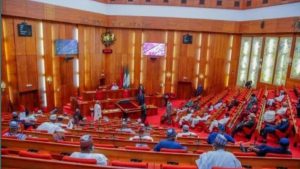
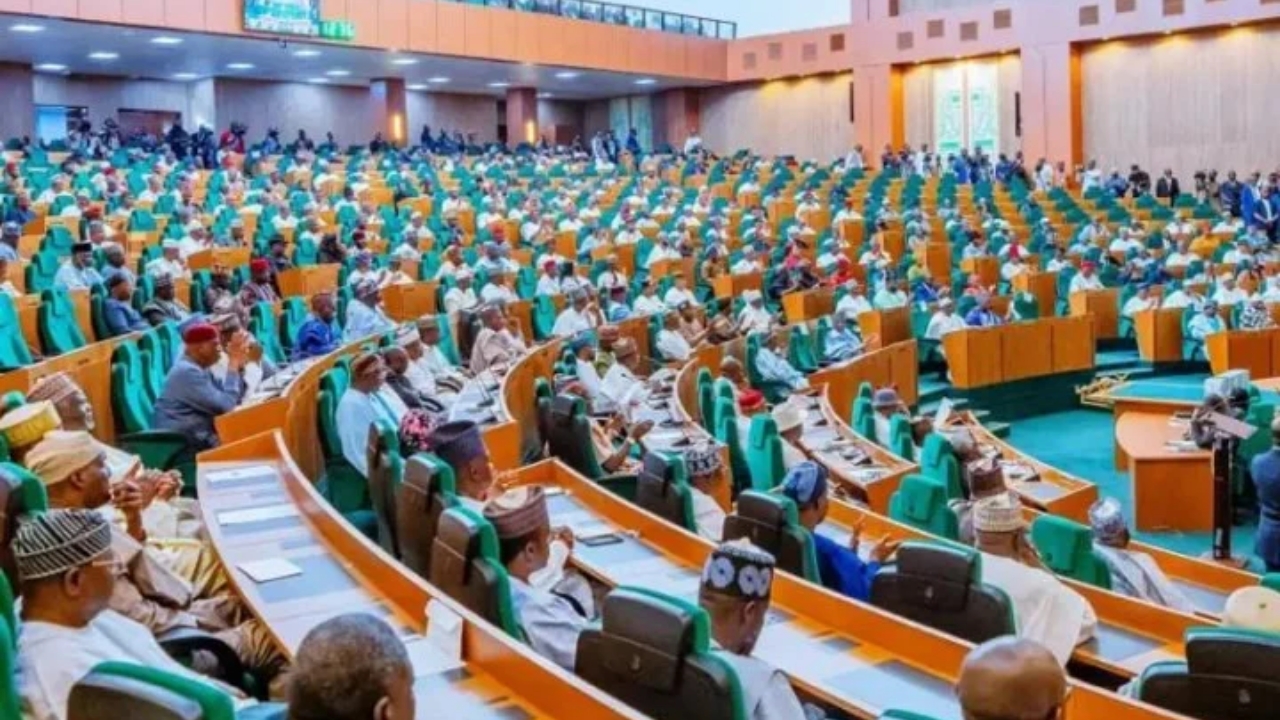
The decision was taken on Tuesday during plenary presided over by Speaker Tajudeen Abbas in Abuja.
The loan—sourced from Deutsche Bank—will finance Section I of the nearly 1,000km highway stretching from Illela in Sokoto State to Badagry in Lagos.
Lawmakers endorsed the request after reviewing a report by the House Committee on Aids, Loans and Debt Management, which highlighted the project’s long-term economic value.
According to the presidency, the highway will pass through Sokoto, Kebbi, Niger, Kwara, Oyo, Ogun, and Lagos states, improving mobility, reducing transport costs, and linking agricultural belts to export hubs.
The Federal Government will also contribute N265.54bn as counterpart funding for land acquisition and related infrastructure.
Why now? The Tinubu administration argues the road is central to its economic reform agenda, particularly in enhancing trade under the African Continental Free Trade Area.
By connecting production zones to ports, officials say the project could ease food supply bottlenecks and stimulate industrial growth.
However, reactions have been mixed. Some economists in Lagos and Abuja see the project as a strategic investment that could unlock regional markets and reduce post-harvest losses.
Others question Nigeria’s growing debt profile, warning that borrowing—even for infrastructure—must be matched with transparent execution and measurable returns.
From a policy standpoint, the inclusion of a central median for future rail integration signals long-term planning.
Yet, past experiences with large-scale road projects raise concerns about delays, cost overruns, and maintenance sustainability.
Ultimately, the success of the Sokoto–Badagry Superhighway will depend less on legislative approval and more on execution discipline.
If delivered as planned, it could reshape Nigeria’s logistics landscape; if not, it risks becoming another ambitious blueprint weighed down by funding and governance challenges.