
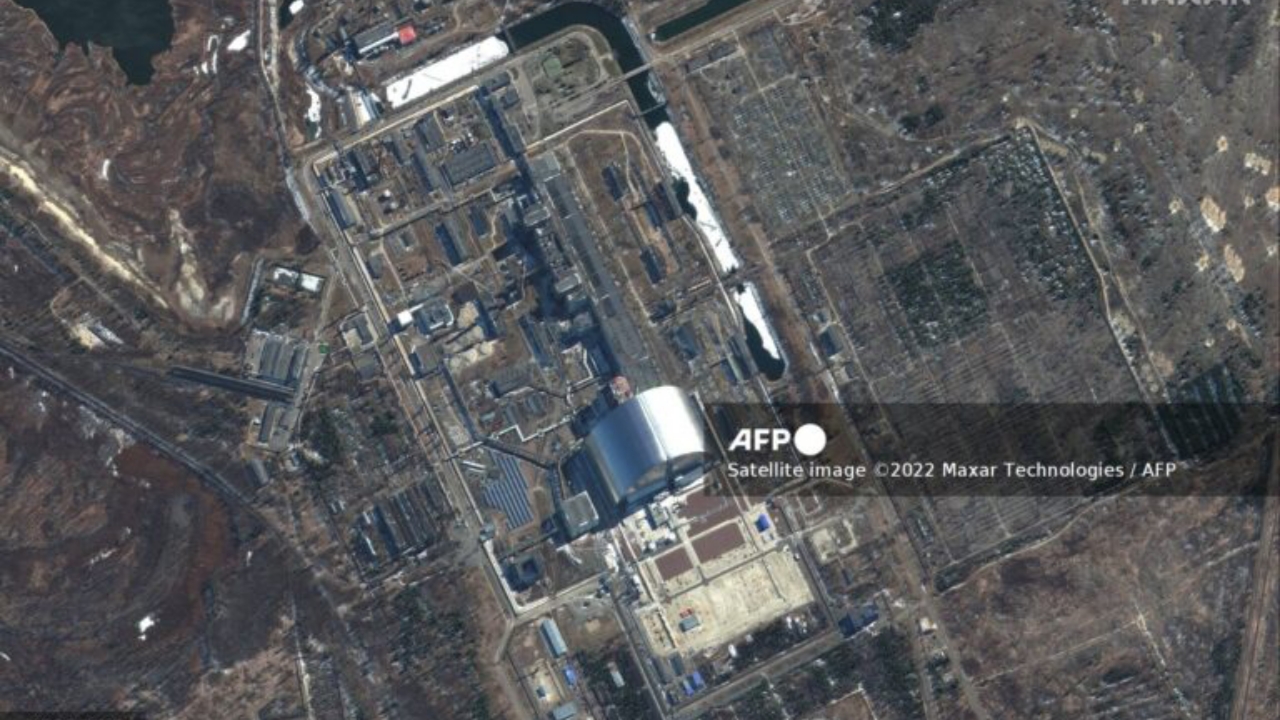
National News – Forty years after the Chernobyl disaster, the world is again reflecting on what remains the worst civilian nuclear crisis in history, which occurred on April 26, 1986, in northern Ukraine.
The explosion at reactor four was triggered by a flawed safety test and compounded by design failures and human error, releasing radioactive material across Europe.
At the time, Soviet authorities delayed disclosure, worsening global exposure and mistrust. The impact was immediate and long-lasting.
Thousands died or suffered radiation-related illnesses, while over 600,000 clean-up workers—known as liquidators—were exposed to dangerous levels of radiation.
Entire communities, including the city of Pripyat, were permanently evacuated.
Today, vast exclusion zones in Ukraine and Belarus remain unsafe for habitation, with scientists estimating recovery could take up to 24,000 years.
New concerns have emerged amid the ongoing Russia-Ukraine war.
Russian forces briefly occupied the plant in 2022, raising fears of accidental radiation release.
In 2025, a drone strike reportedly damaged the New Safe Confinement structure, weakening its protective capacity.
Experts warn that further attacks or delayed repairs could risk another environmental disaster.
From a Nigerian perspective, the anniversary resonates beyond history.
Energy analysts and environmental advocates argue that as Nigeria explores nuclear energy options, Chernobyl serves as a cautionary tale.
Public sentiment locally often leans toward skepticism, with many citing governance challenges and safety concerns as barriers to adopting nuclear power.
The disaster also reshaped global nuclear policy, fueling anti-nuclear movements and stricter international safety regulations.
Yet, with climate change pushing nations toward cleaner energy alternatives, nuclear power is regaining attention—making the lessons of Chernobyl more relevant than ever.
Ultimately, the key question remains: how can countries balance energy needs with safety?
The answer lies in transparency, technological investment, and strict adherence to international standards—failures that turned Chernobyl into a global tragedy.