
Did You Know?
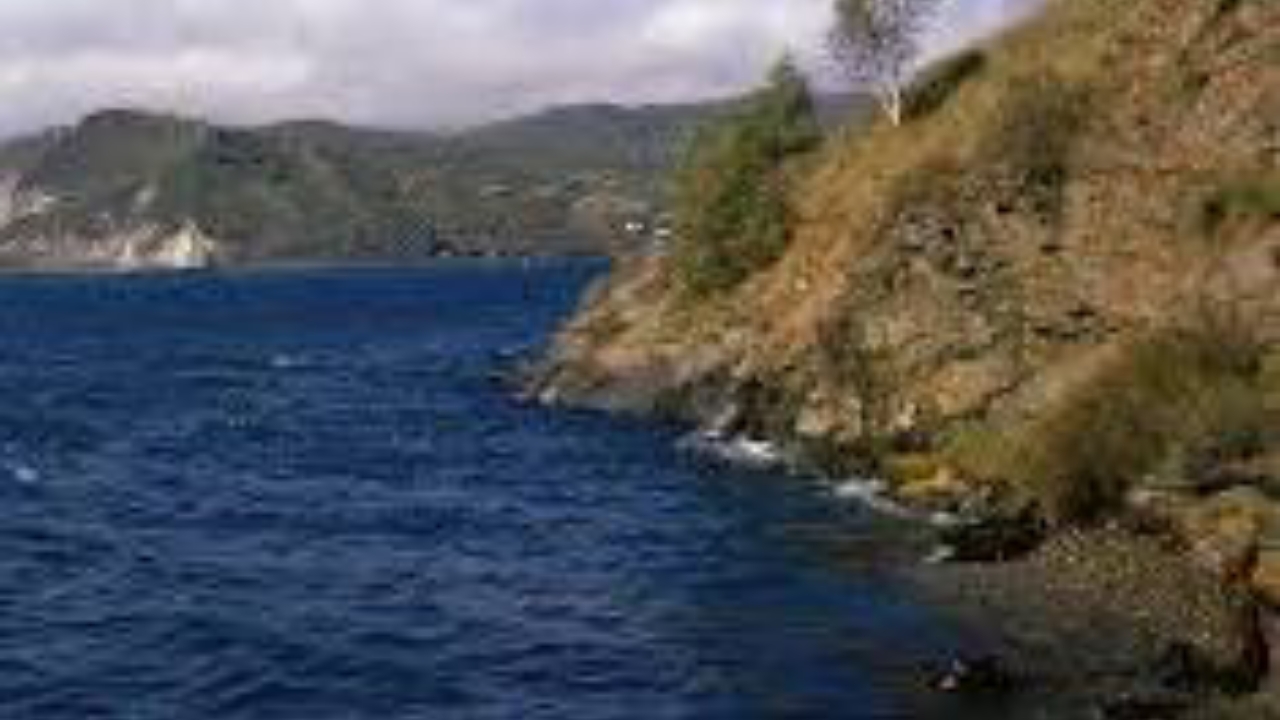
Lake Baikal in Siberia is widely recognized as the deepest freshwater lake in the world, holding a unique place in global geography and natural science.
Formed millions of years ago through tectonic activity, it reaches extraordinary depths of about 1,642 meters, making it not only the deepest but also one of the oldest lakes on Earth.
The lake contains roughly 20% of the world’s unfrozen freshwater reserve, supporting a vast ecosystem of rare and endemic species found nowhere else.
Its crystal-clear waters and surrounding mountain landscapes attract researchers, environmentalists, and tourists alike, all drawn to its ecological significance and natural beauty.
Lake Baikal is also a UNESCO World Heritage Site, valued for its biodiversity and geological importance.
Lake Baikal’s global recognition continues to grow as scientists emphasize its importance in understanding climate change and freshwater conservation.
The lake’s immense depth and volume influence regional weather patterns and provide critical data for environmental studies.
However, concerns have been raised about pollution, industrial activity, and the effects of rising temperatures on its fragile ecosystem.
Conservation efforts by Russian authorities and international organizations focus on preserving its purity and protecting its unique wildlife, including the Baikal seal, one of the few freshwater seal species in the world.
Sustainable tourism initiatives are also being encouraged to balance economic benefits with environmental protection.
Researchers continue to study its underwater geology, revealing insights into seismic activity and Earth’s evolutionary history.
As one of the planet’s most remarkable natural wonders, Lake Baikal remains a symbol of environmental heritage and scientific curiosity, reminding the world of the need to safeguard freshwater resources for future generations.
Local communities around the lake also depend on its resources for fishing and eco-tourism, making conservation efforts even more vital to regional livelihoods.
Continuous research and global collaboration are essential to ensure Lake Baikal’s preservation for future scientific discovery and ecological balance.
Now, you know.
National News