By Our Correspondent
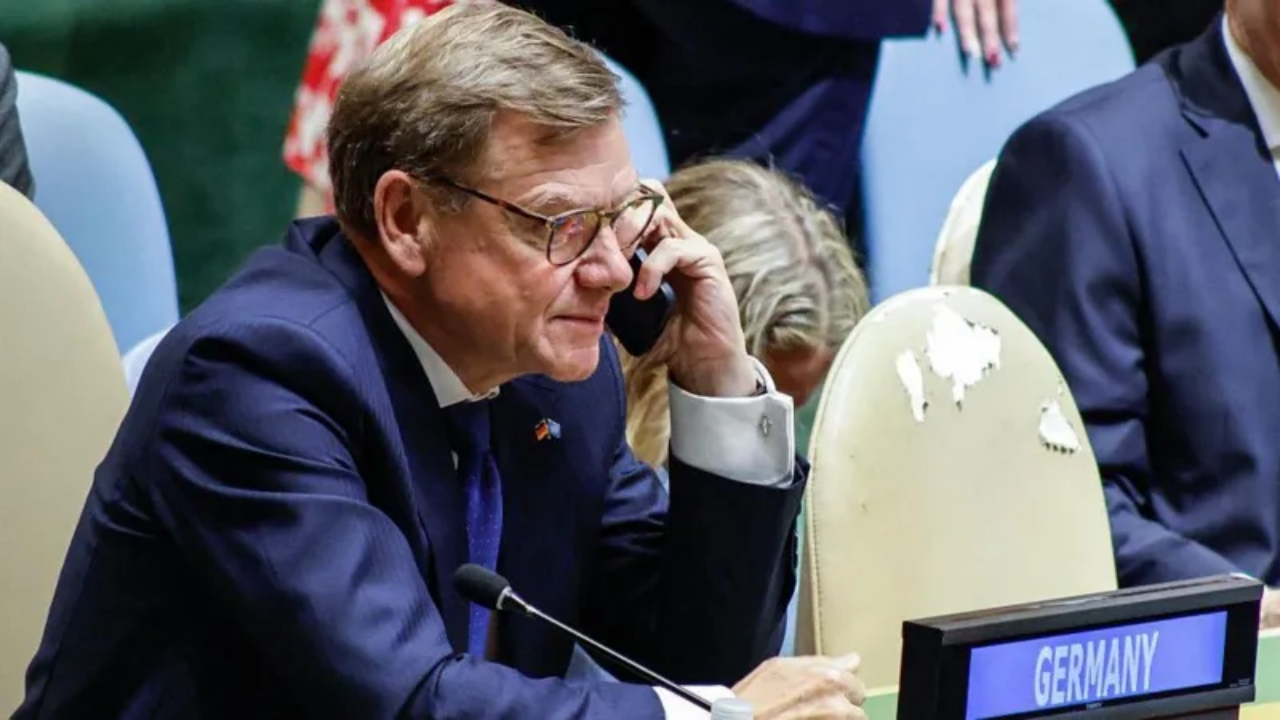
National News – Germany has suffered a diplomatic setback after failing to win a rotating non-permanent seat on the United Nations Security Council in a vote held on Wednesday, June 3, 2026, at UN headquarters in New York.
The election covered the Western European and Others Group, where Portugal and Austria secured the two available seats.
Germany’s defeat has been described by its Foreign Minister Johann Wadephul as a “bitter defeat,” marking a significant blow to Berlin’s foreign policy ambitions under Chancellor Friedrich Merz.
The final vote saw Portugal secure 134 votes and Austria 131, while Germany managed 104 votes.
The result highlights shifting support patterns within the UN General Assembly.
The Security Council, which is responsible for international peace and security decisions, has five permanent members and ten rotating seats.
Germany had campaigned for one of the two available Western European slots but fell short in the competitive ballot.
Wadephul suggested that Germany’s strong backing for Ukraine in its war with Russia and its firm stance in support of Israel in Middle East tensions may have reduced its appeal among some member states.
He also alleged that Russia may have influenced sentiment against Germany, although Moscow has not responded to the claim.
Officials further admitted that Germany’s late entry into the race may have weakened its diplomatic positioning ahead of the vote.
Chancellor Friedrich Merz responded by congratulating Austria and Portugal, stressing that Germany remains committed to the UN system.
He said the country would continue supporting multilateral cooperation and global diplomacy despite the setback.
German officials emphasized that their foreign policy direction remains unchanged.
Analysts say the loss reflects broader geopolitical divisions shaping UN voting behaviour, where positions on Ukraine and Middle East conflicts increasingly influence diplomatic outcomes.
The result is seen as a setback for Germany’s ambition to expand its global influence and play a stronger leadership role in international security decision-making.