By Our Correspondent
The Federal Government has reportedly set aside about N500 billion from the May 2026 Federation Account Allocation Committee (FAAC) revenue to establish a national security emergency intervention fund aimed at addressing the country’s worsening security challenges.
Sources familiar with the FAAC proceedings disclosed that the deduction was made before the monthly revenue-sharing exercise involving the Federal Government, states and local government councils.
According to the sources, state commissioners of finance, who are members of FAAC, were aware of the deduction. One official said the security allocation contributed significantly to the difference between the total revenue generated and the amount eventually distributed among the three tiers of government.
Documents obtained from the FAAC meeting showed that N250 billion was earmarked for a Military Intervention Fund, while N252 billion was allocated as an Infrastructure Development Fund for states. Another N450 billion was transferred to the Non-Oil Excess Revenue Account, bringing total major deductions to N952 billion.
The development comes as FAAC announced the distribution of N2.3 trillion as revenue allocation for May 2026, representing an increase of N43 billion compared to the N2.26 trillion shared in April.
A statement issued by the Office of the Auditor-General of the Federation said the distributable revenue comprised N1.611 trillion in statutory revenue and N688.785 billion from Value Added Tax (VAT).
The statement further revealed that gross revenue available for the month stood at N3.395 trillion, from which N123.546 billion was deducted as the cost of collection, while N971.610 billion was earmarked for transfers and refunds.
Under the sharing formula, the Federal Government received N818.68 billion, states got N759.14 billion, while the 774 local government councils shared N534.28 billion. Oil-producing states received N188.13 billion as 13 per cent derivation revenue.
Although the official communiqué did not specifically mention the security allocation, sources said the emergency fund formed part of the transfers and adjustments made before revenue distribution.
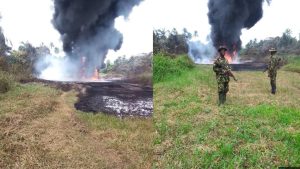
The fund is being introduced amid persistent insecurity across the country, including insurgency in the North-East, banditry and kidnappings in the North-West, farmer-herder conflicts in the North-Central, separatist agitations in the South-East, and crude oil theft and pipeline vandalism in the Niger Delta.
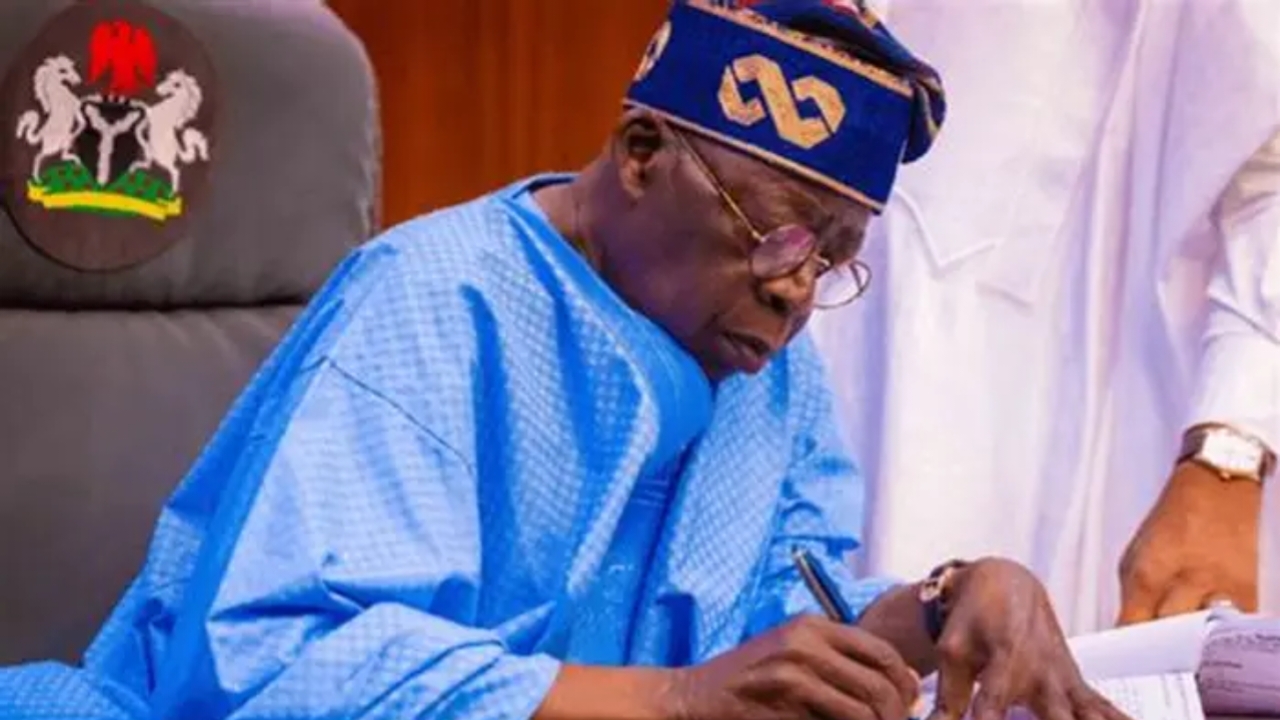
President Bola Tinubu’s administration has consistently identified security as a key priority, approving increased funding for security agencies, procurement of military equipment and intelligence-driven operations since assuming office in May 2023.
Economists Back Initiative, Demand Accountability
Economic experts have welcomed the move, describing security as essential for economic growth and investment, while urging transparency in the management of the proposed fund.
Chief Executive Officer of Economic Associates, Dr Ayo Teriba, said Nigeria’s security sector requires additional funding for personnel, equipment, surveillance infrastructure and recruitment.
He noted that Nigerians would likely support the initiative since the funding is being sourced from FAAC allocations rather than through new taxes, but stressed the need for accountability and clear reporting on how the resources would be utilised.
Similarly, Professor of Economics and Public Policy at the University of Uyo, Prof Akpan Ekpo, said improved security was critical to attracting and protecting investments.
According to him, a dedicated emergency fund for modern security equipment and counter-insurgency operations is a positive step, provided the resources are efficiently managed.
DSS Rejects Foreign Funding for Security Trust Fund
Meanwhile, the Department of State Services (DSS) has urged the House of Representatives to remove provisions permitting foreign organisations to contribute to the proposed DSS Trust Fund.
Speaking during a public hearing on bills aimed at strengthening intelligence operations through sustainable financing, DSS representative Emmanuel Duabry warned that foreign funding could compromise national sovereignty, intelligence operations and institutional independence.
The agency argued that international funding arrangements may introduce reporting obligations and external influence that could expose sensitive intelligence activities and affect Nigeria’s security priorities.
The DSS recommended that the trust fund should only receive grants and donations from local organisations.
Despite its concerns, the agency expressed support for the proposed legislation, describing it as a significant step toward ensuring stable funding for intelligence gathering, counter-terrorism operations and rapid response to security threats.
The Service also proposed amendments to the trust fund’s governance structure and funding formula, while recommending adjustments to another bill seeking to establish a Strategic Intelligence Management Institute to avoid overlapping functions with existing security institutions.
Police DIGs Resume Duties in Geopolitical Zones
In a related development, Deputy Inspectors-General of Police recently deployed to the country’s six geopolitical zones have resumed duties as part of efforts to strengthen security operations nationwide.
Force Public Relations Officer, ACP Anthony Placid, confirmed that the senior officers had reported to their designated zones and commenced operations.
The deployment followed a directive by Inspector-General of Police Olatunji Disu, aimed at bringing strategic police leadership closer to the field, improving intelligence gathering and enhancing operational oversight.
As part of the initiative, the supervising DIG for the South-West Zone, DIG Fayoade Adegoke, has begun a tour of the region, holding engagements with security stakeholders in Oyo State to discuss strategies for improving security and police-community relations.
Security experts say the combined measures by the Federal Government, DSS and Nigeria Police Force reflect renewed efforts to tackle the country’s complex security challenges through enhanced funding, intelligence coordination and decentralised operational leadership.