By Friday Temitope Eugenia
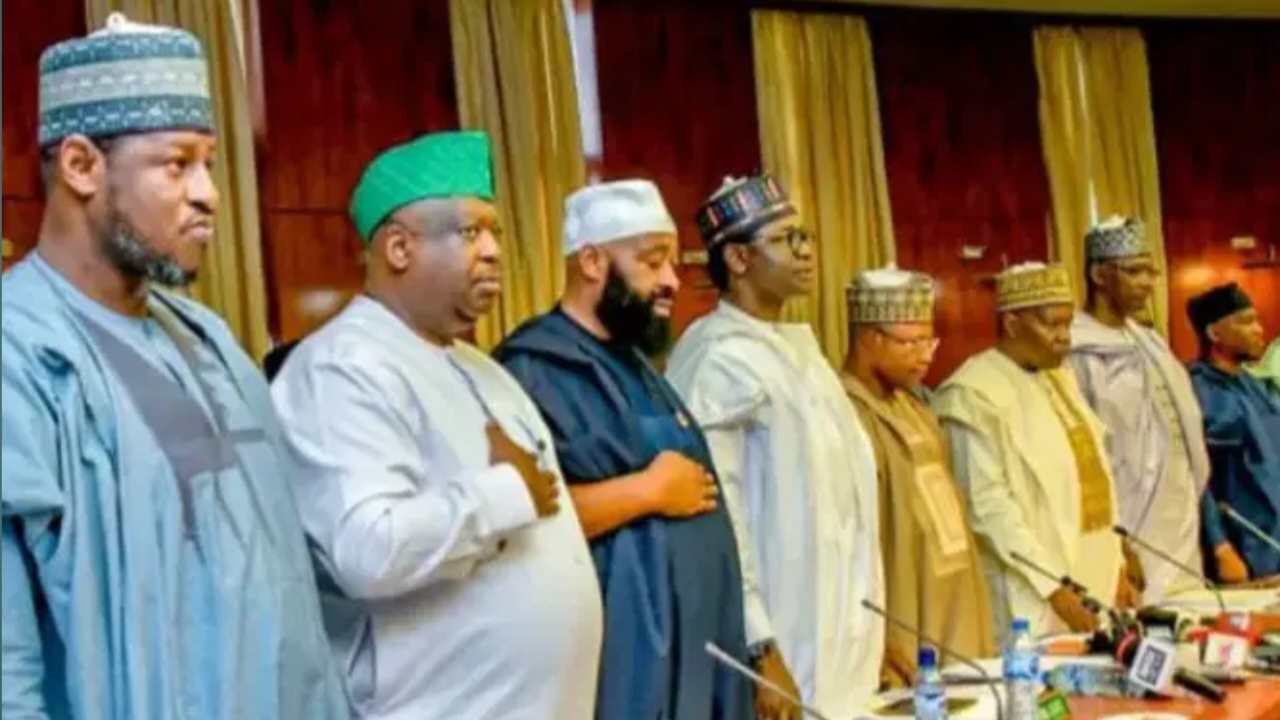
National News — The 36 state governors under the umbrella of the Nigeria Governors’ Forum (NGF) have renewed their call for the swift establishment of state police, insisting that the proposed security architecture must be constitutionally grounded, align with Nigeria’s federal system, and safeguard citizens’ rights.
The governors made their position known at the conclusion of the Forum’s second meeting of the year held in Abuja, where they deliberated on security, power sector reforms, nutrition, and agricultural development.
In a communiqué issued after the meeting, NGF Chairman and Governor of Kwara State, AbdulRahman AbdulRazaq, disclosed that the governors received presentations from the Forum’s Secretariat and state Attorneys-General on ongoing efforts to facilitate the creation of state police across the country.
According to him, the governors held extensive consultations with the Attorneys-General to review proposed constitutional amendments and operational frameworks for state policing, noting that the outcome would strengthen the collective position of the states on the issue.
“The Forum received a presentation from the NGF Secretariat and a delegation of the Attorneys-General of the states on efforts to support establishing state police in Nigeria. It noted a dedicated consultation with the Attorneys-General to review the proposed constitutional amendments and frameworks,” the communiqué stated.
The governors emphasized that any state police arrangement must be legally sound, respect constitutional provisions, and operate within the principles of federalism while protecting fundamental rights.
Their renewed advocacy comes days after the National Assembly recorded significant progress on legislation seeking to establish state police. On June 11, the House of Representatives overwhelmingly approved a constitutional amendment bill on state policing, with 289 lawmakers voting in support and only one opposing. The bill also passed second reading in the Senate on the same day.
Earlier in April, the governors endorsed the development of a state police framework by the NGF Secretariat to prepare states for the proposed constitutional changes. The framework outlines critical requirements, including governance structures, financing mechanisms, personnel standards, digital infrastructure, and oversight systems.
Proposed State Police Structure
Under the proposed constitutional amendments, Nigeria would operate a dual policing system comprising the Federal Police and State Police.
The Federal Police would retain responsibility for national security and federal policing functions, while each state would be empowered to establish its own police service through legislation passed by its House of Assembly.
However, state police forces would only become operational after meeting nationally prescribed standards and obtaining certification under guidelines established by the National Assembly.
The proposal also seeks to limit federal interference in state policing, allowing intervention only under exceptional circumstances such as a breakdown of law and order, a request from a governor, or the inability of a state police force to function effectively.
Governors would appoint State Commissioners of Police subject to recommendations from the National Police Council and confirmation by state legislatures, while safeguards have been included to prevent abuse of authority and ensure accountability.
Commitment to Power Sector Reforms
Beyond security, the governors reaffirmed their commitment to ongoing reforms in the electricity sector aimed at improving access to reliable and affordable power across the country.
The Forum received a presentation on the proposed National Solar Super-Grid (NSSG) Initiative, which seeks to expand electricity access through large-scale decentralized solar generation linked to a national high-voltage transmission network.
According to the governors, the initiative has the potential to boost industrialisation, strengthen energy security, support emerging state electricity markets, and accelerate economic growth.
They pledged continued collaboration with stakeholders to ensure successful implementation of reforms designed to improve electricity supply nationwide.
Support for Nutrition and Agricultural Programmes
The governors also expressed support for the National Nutrition 774 (N-774) Initiative and reaffirmed their commitment to tackling child malnutrition and improving nutrition outcomes across the country.
The Forum noted ongoing work on the National Nutrition Bill and called for sustained engagement among stakeholders to strengthen the legal and policy framework governing nutrition.
Additionally, governors received briefings from the World Bank on the proposed Country Partnership Framework (2026–2032), the Nigeria Sustainable Agricultural Value Chains for Growth (AGROW) Programme, and Early Childhood Development initiatives.
They endorsed continued collaboration with the Federal Government, the World Bank, and development partners to improve agricultural productivity, strengthen food security, expand private-sector participation, and enhance social development outcomes.
The governors also approved state-specific interventions and stressed the need for stronger coordination across sectors such as health, education, nutrition, water and sanitation, social protection, and family support services.
The resolutions underscore the governors’ determination to address Nigeria’s security and development challenges through constitutional reforms, improved governance, and strengthened intergovernmental cooperation.