By Friday Temitope Eugenia | National News
President Bola Tinubu has directed the Economic and Financial Crimes Commission (EFCC) to immediately reverse the freezing of an Osun State Government account, a move that has intensified political debate and public scrutiny just days before the August 15 governorship election.
The President’s intervention came after the anti-graft agency restricted transactions on one of the state’s statutory allocation accounts over an investigation into the alleged diversion of about N11 billion from Ecology Funds, Intervention Funds and FAAC allocations.
In a statement personally signed on Thursday, Tinubu said although the EFCC was carrying out its statutory responsibilities, the timing of the action was inappropriate and capable of creating the impression that the Federal Government was interfering in the forthcoming governorship election.
He directed the commission to return to court and seek the withdrawal of the order freezing the account while discontinuing all related actions against the Osun State Government.
According to the President, safeguarding the integrity and credibility of the electoral process is paramount, stressing that no federal institution should undertake actions capable of undermining public confidence in the election.
The EFCC had maintained that its decision was based on intelligence gathered during an ongoing investigation that began in March. The commission insisted it only placed a temporary restriction on one statutory account after detecting suspicious financial transactions and denied claims that all state accounts were frozen.
The commission’s spokesperson, Wilson Uwujaren, said the action was taken under the provisions of the EFCC Act and the Money Laundering (Prevention and Prohibition) Act, adding that similar preventive measures had been implemented in previous investigations.
Meanwhile, the Osun State Government has challenged the EFCC’s action in court, filing a suit before the Federal High Court in Abuja seeking to nullify the account restriction and demanding N2 billion in exemplary damages.
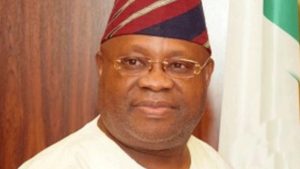
The suit, instituted by Governor Ademola Adeleke alongside the state’s Attorney-General and Accountant-General, argues that the commission acted without obtaining a valid court order and unlawfully interfered with the state’s constitutional powers and financial autonomy.
The state is asking the court to declare the account restriction unconstitutional, set it aside permanently and restrain the EFCC from taking similar action without judicial authorisation.
Osun officials also dismissed allegations of financial misconduct, describing the EFCC’s claims as an afterthought intended to justify what they called an illegal action. The government alleged that the restriction was politically motivated and aimed at disrupting the payment of workers’ palliatives ahead of the election.
The development has drawn reactions from opposition parties, legal practitioners and civil society organisations.
The African Democratic Congress (ADC) welcomed Tinubu’s directive but questioned his repeated references to a court order authorising the account freeze, insisting the EFCC had not publicly stated that it obtained such an order.
Former Vice President Atiku Abubakar also argued that the President’s intervention raised questions about the operational independence of anti-corruption agencies. He maintained that if the President could direct the EFCC to discontinue proceedings in the Osun case, similar authority should apply in other pending matters.
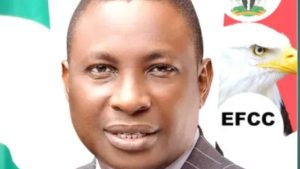
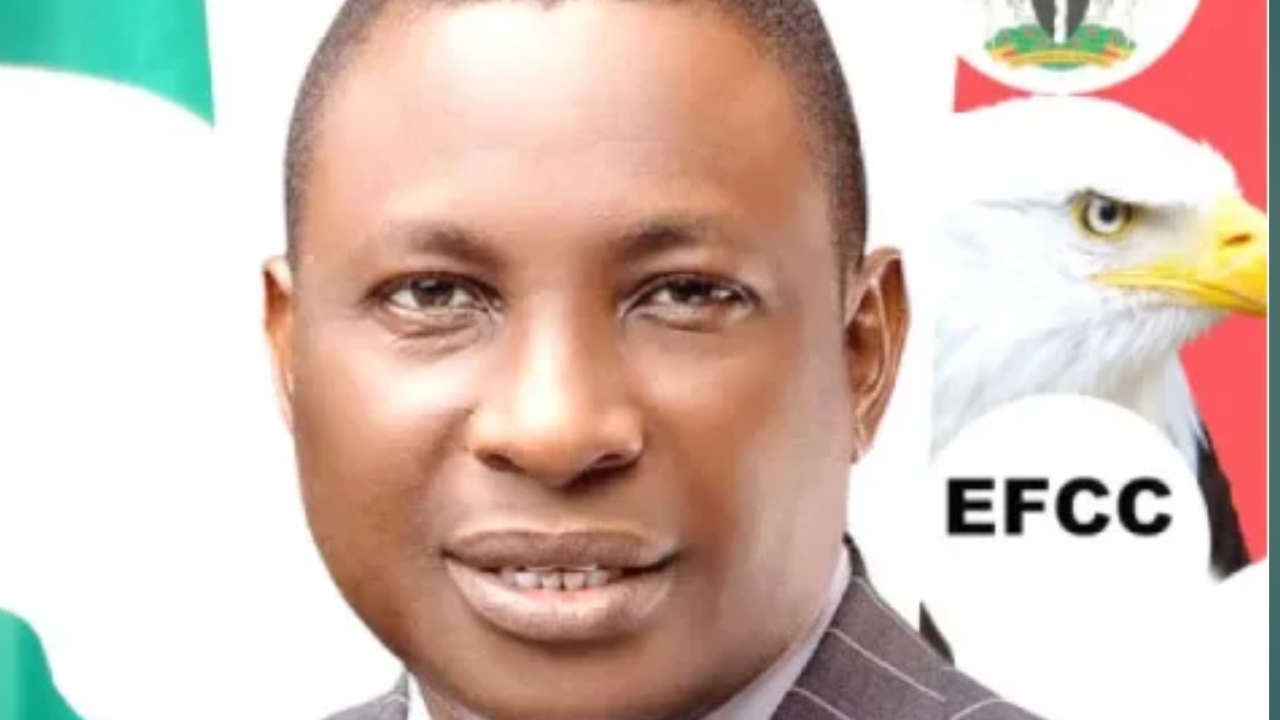
Across social media, many Nigerians criticised EFCC Chairman Ola Olukoyede, with several users calling for his resignation or removal over the controversy. Others argued that the incident had damaged public confidence in the commission’s neutrality.
Legal experts, however, expressed mixed opinions. Some commended the President for acting to protect the integrity of the electoral process, while emphasising that any withdrawal of the restriction must follow due judicial procedure. Others called for clearer legal provisions to eliminate conflicts between the constitutional autonomy of state governments and the investigative powers of anti-corruption agencies.
The controversy has further heightened political tension in Osun ahead of the governorship election, with the EFCC insisting it acted within the law while the state government pursues legal action against the commission.