National News Desk
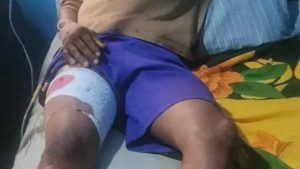
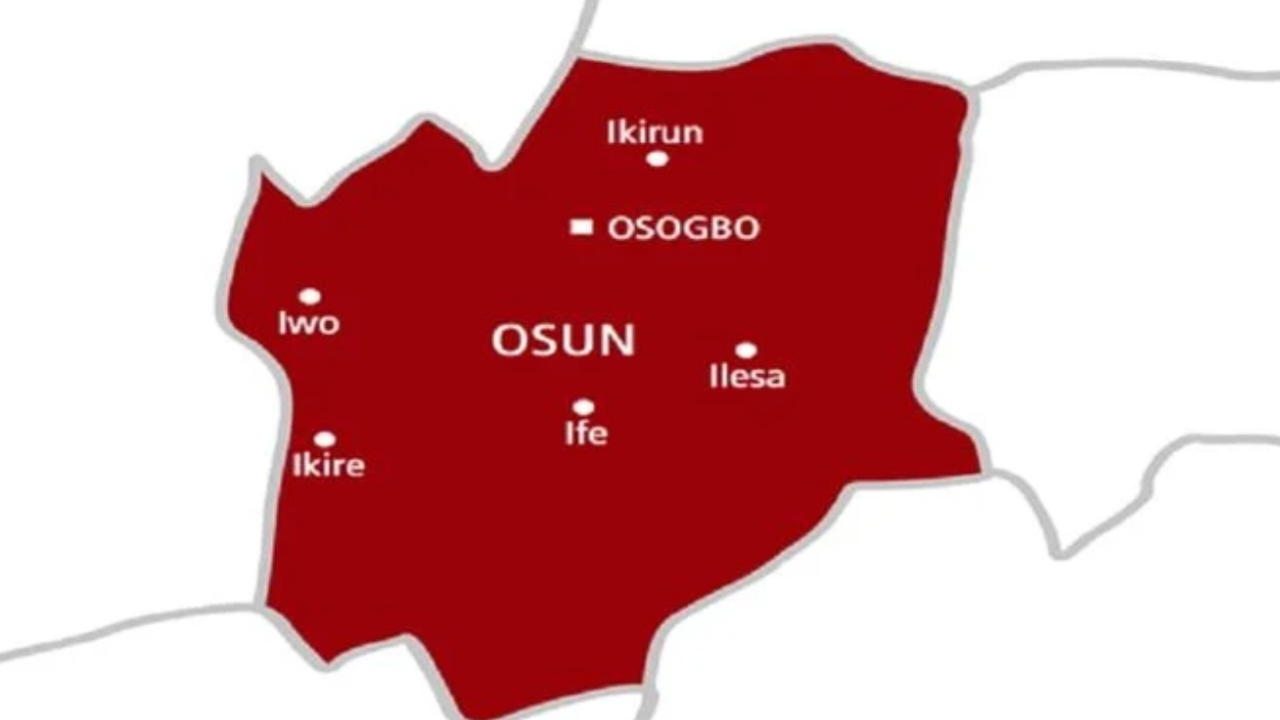
Fear and uncertainty have gripped parts of Osun State ahead of Saturday’s governorship election, with some residents reportedly avoiding clothes, caps and other items displaying political party colours or insignia amid a wave of killings linked to political and cult-related violence.
The Nigeria Police Force has recorded at least 30 politically motivated killings in the state, raising concerns about the safety of voters and political supporters as the August 15 election approaches.
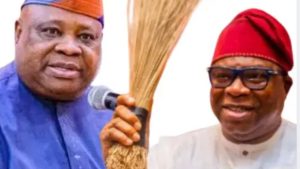
The contest is expected to be a three-horse race involving incumbent Governor Ademola Adeleke of the Accord Party, the All Progressives Congress candidate, Bola Oyebamiji, and the African Democratic Party candidate, Najeem Salaam.
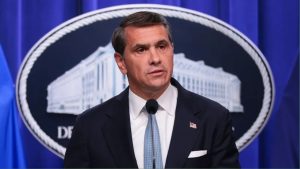
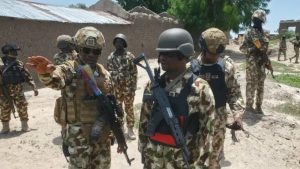
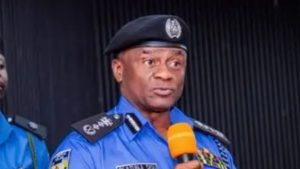
In response to the security concerns, the Inspector-General of Police, Tunji Disu, announced the deployment of at least four police officers to each polling unit across the state.
Disu described the operation as one of the largest security deployments undertaken in Osun, saying security agencies were determined to prevent violence before, during and after the election.
However, residents and civil society groups said the heavy security presence had not completely eliminated fears, particularly in areas where political identities could make individuals targets of attacks.
Chairman of the Osun State Civil Societies Coalition, Waheed Lawal, said the atmosphere remained tense, alleging that the activities of political actors and what he described as perceived bias by some security personnel had contributed to the situation.
Lawal said some residents had lost confidence in the security agencies and urged them to remain neutral throughout the electoral process.
He also linked some of the killings to cult activities, noting that the involvement of cult groups in politics had made it increasingly difficult to distinguish between politically motivated and cult-related violence.
According to him, some political actors were allegedly attempting to create an atmosphere of fear that could discourage voters from participating in the election.
Similarly, Executive Director of the Socio-Economic and Civic Rights Advocacy, Emmanuel Olowu, attributed the tension to what he described as the desperation of political actors to win power.
Olowu said although the removal of the former Commissioner of Police in the state, Ibrahim Gotan, had reduced some agitation, apprehension remained, particularly in parts of the Ijesa axis.
He called on the police and other security agencies to rebuild public confidence by acting professionally and maintaining neutrality.
The Executive Director of the World Institute for Peace, Lamina Kamiludeen, said at least 14 people had been killed in election-related violence between January and August.
Kamiludeen warned that the problem could persist after the election if cultism and political thuggery were not decisively addressed.
He urged political parties and their supporters to desist from sponsoring or arming thugs, warning that weapons allegedly provided for election violence could remain in circulation after the poll.
However, he said the level of public anxiety had reduced considerably compared with previous weeks.
According to him, the tension was now considerably lower following the arrival of the Inspector-General of Police and increased security presence across the state.
The Accord Party chairman in Osun, Pastor Victor Akande, acknowledged that there was tension but expressed optimism that the situation would improve before election day.
Akande urged residents to remain calm and law-abiding, stressing that Osun had a reputation for peaceful coexistence.
The APC Director of Media and Publicity in the state, Kola Olabisi, however, dismissed reports of tension within the party.
Olabisi expressed confidence in the ability of the police to maintain peace and prevent criminal elements from disrupting the election.
He said the APC candidate, Oyebamiji, had continued his campaign across the state and maintained that the party was confident of victory.
Several violent incidents have been recorded across Osun in recent months.
Among them was the killing of an APC supporter and former unit chairman of the National Union of Road Transport Workers, Kazeem Oyewole, at Orita Elelede in Osogbo in January.
In May, Kolade Eluyera, son of the Accord Party Women Leader in Irewole Local Government Area, was killed in Ikire.
Two people reportedly linked to the Accord Party were also killed in Akoda and Owode-Ede on June 9.
On June 21, 14-year-old Ezekiel Olapade was killed in Ilobu, Irepodun Local Government Area, after reportedly being struck by a bullet allegedly intended for a man wearing an Accord Party face cap.
An Accord Party member, Ajayi Rogba, was subsequently killed in Esa-Oke, Obokun Local Government Area, on June 23, while an APC member, Taofeeq Mustapha, was shot dead on June 27 after allegedly wearing a cap bearing the inscription “AMBO.”
Other reported victims included 19-year-old Timilehin Oni, who was killed in the Ijebu-Jesa area on July 6, and Ibrahim, who was killed in Atelewo, Osogbo, on July 26.
On July 15, two people, identified as Lateef Adelodun, popularly known as Lexy, and Waheed Adigun, were reportedly killed during an attack in the Egbatedo area of Osogbo.
Other fatalities linked to the violence include Aderombi Abass, Ganiyu Gele, Wole Vulcaniser, Rafiu Quadri Abiodun and Elijah Baba Ewe.
Meanwhile, a report by Kimpact Development Initiative, a non-governmental and non-partisan organisation, said Osun recorded 56 election-related violent incidents resulting in 14 deaths over a 12-month period.
The organisation disclosed the figures during an election summit in Osogbo on July 13, noting that Osogbo alone accounted for 23 of the reported incidents and nine of the deaths.
With the police figure putting politically motivated killings in the state at 30, security has emerged as one of the biggest concerns ahead of the August 15 governorship election.
Security agencies are expected to maintain heightened surveillance across the state to protect voters, electoral personnel and other stakeholders and ensure that the election is conducted peacefully.