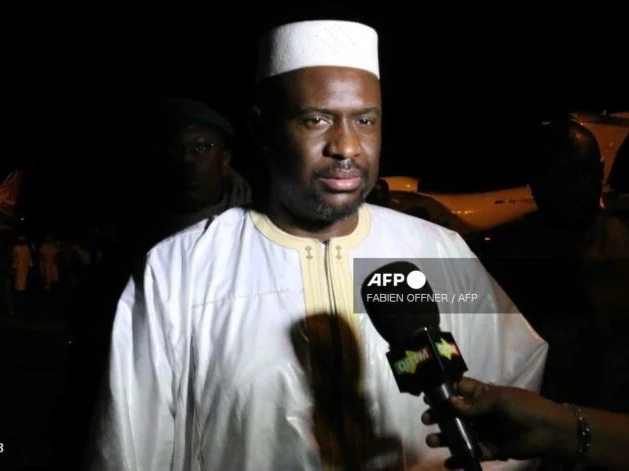
A Malian appeal court on Monday upheld the prison sentence handed down to former Prime Minister Moussa Mara, rejecting his challenge against a conviction widely criticised by human rights groups.
The Bamako Court of Appeal confirmed Mara’s original sentence of two years in prison, with one year suspended, along with a 500,000 CFA franc ($908) fine, stemming from his online support for political detainees.
Mara, who served as Mali’s prime minister from 2014 to 2015, was charged in October with “undermining the credibility of the state” and “opposing legitimate authority.” The charges followed a July social media post in which he said he had met political prisoners and pledged to seek justice on their behalf.
He has remained detained since August 1, despite growing international concern over the case.
Speaking after the ruling, Mara’s lawyer, Mountaga Tall, said the legal battle was far from over.
“We will not give up,” he told AFP. “We will consult and appeal to the Supreme Court.”
Amnesty International Condemns Verdict
Human rights organisation Amnesty International described the ruling as a serious setback for civil liberties in Mali, calling the charges “bogus and politically motivated.”
“The authorities must overturn this baseless conviction and immediately release Moussa Mara,” Amnesty said in a statement, urging Mali’s leaders to also free others detained solely for peacefully exercising their rights.
Amnesty’s West and Central Africa regional director, Marceau Sivieude, warned that the case reflects a broader pattern of repression.
“Mara’s persecution is part of a wider trend of silencing dissent, including the weaponisation of the justice system to target critics,” he said.
Crackdown Under Military Rule
Mali has been under military junta rule since two coups in 2020 and 2021, a period marked by shrinking civic space and growing pressure on opposition figures, journalists, and political parties.
Since seizing power, the authorities have dissolved political parties, restricted media freedoms, and intensified actions against critics — raising alarm among rights groups and international observers.