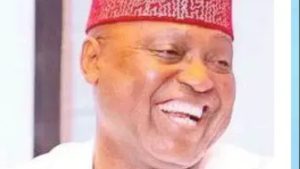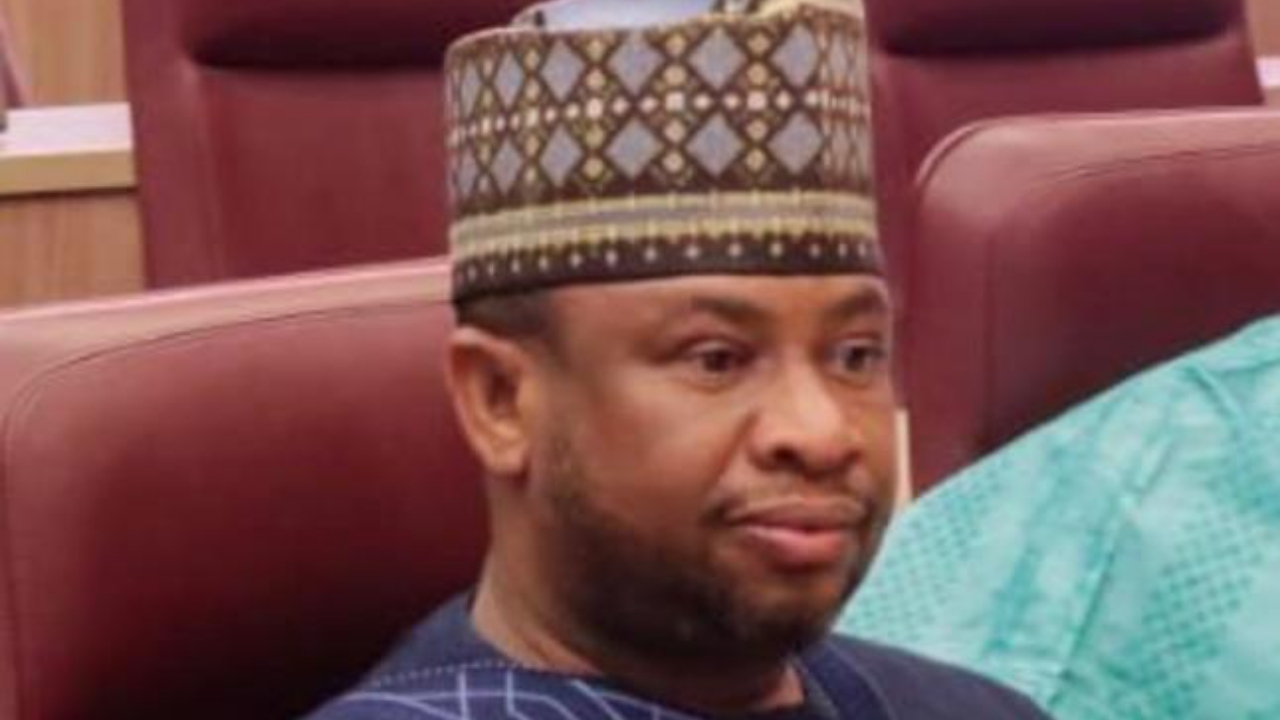
National News – The Federal Government has confirmed the death of Nigeria’s ambassador-designate to Algeria, Mohammed Mahmud Lele, who passed away on April 19, 2026, in Ankara, Türkiye, after a prolonged illness.
The announcement was made on Wednesday in Abuja by the Ministry of Foreign Affairs, outlining both the circumstances of his death and the national significance of his service.
Lele, who was recently appointed by President Bola Ahmed Tinubu and confirmed by the Senate, was yet to assume duty in Algeria at the time of his passing.
Before his nomination, he served as Director of the Middle East and Gulf Division, where he played a strategic role in shaping Nigeria’s diplomatic engagements in that region.
Born in 1976 in Gamawa, Bauchi State, Lele studied Economics at Bayero University, Kano, and joined the Nigerian Foreign Service in 2001.
Over the years, he served in key international postings, including Berlin, Lomé, and Riyadh, earning a reputation for diligence, intellectual depth, and policy insight.
According to ministry spokesperson Kimiebi Ebienfa, Lele’s death represents not just a personal loss to his family, but a significant blow to Nigeria’s diplomatic corps.
Permanent Secretary Dunoma Ahmed, who received his remains in Abuja, described him as a committed and humble officer whose contributions will be difficult to replace.
He was buried in Kano on Wednesday in accordance with Islamic rites.
Beyond official tributes, there is quiet concern within diplomatic circles about the timing of his death.
Nigeria is currently recalibrating its foreign policy priorities, particularly in North Africa and the Middle East, making the loss of an experienced hand like Lele more consequential.
Public reaction, especially from colleagues and regional stakeholders in Bauchi, reflects both grief and pride.
Many see his career as a model of steady public service, though his sudden absence also highlights the fragility of institutional continuity in Nigeria’s foreign missions.
Lele’s legacy, observers note, will likely endure in the policy frameworks he helped shape and the younger diplomats he mentored.