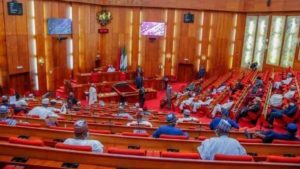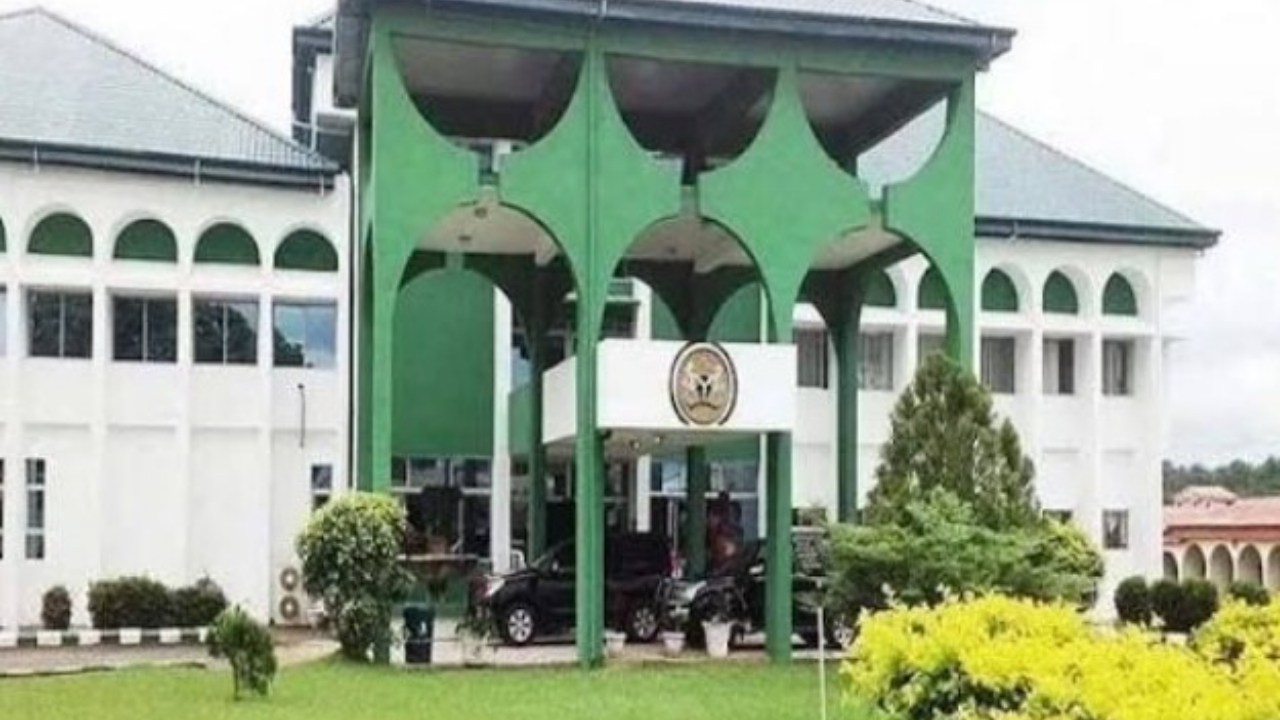
National News – On Wednesday in Dutse, the Jigawa State House of Assembly ordered the recovery of missing public funds and the sanctioning of officials found guilty of financial irregularities across state ministries and the 27 local government councils.
The decision followed the consideration of a Public Accounts Committee report covering audited accounts from 2019 to 2024.
The committee, chaired by Sani Isyaku, said it uncovered unverifiable expenditures, overpayments, weak procurement processes, and unaccounted funds in several MDAs.
Lawmakers said the action aims to strengthen transparency, accountability, and fiscal discipline in public finance management.
The Speaker, Haruna Dangyatim, who presided over plenary, directed that the recommendations be forwarded to the executive for immediate implementation, including recovery of funds and disciplinary measures against erring officers.
The committee conducted public hearings and detailed reviews of financial statements, payment vouchers, procurement records, and contract documents from MDAs and local councils.
Accounting officers, including commissioners, permanent secretaries, directors of finance, and local government chairmen, were summoned to respond to audit queries.
Verification visits were also carried out to confirm explanations provided by officials.
The committee noted that while some responses were satisfactory, many cases still revealed gaps in documentation, irregular payments, and breaches of financial regulations, prompting stronger recommendations for enforcement.
Residents and civil society groups in Jigawa welcomed the Assembly’s stance, describing it as a step toward curbing long-standing concerns over misuse of public funds at both state and local levels.
However, some stakeholders urged that the process must be transparent and not politicised, warning that selective enforcement could undermine public trust in governance.
Analysts say the resolution could signal stronger legislative oversight of public finance in Jigawa, especially as Nigeria continues to grapple with accountability challenges in subnational governments.
If fully implemented, the recovery process may boost public revenue and deter future financial misconduct.
However, experts caution that success will depend on political will, independence of audit institutions, and consistent enforcement across ministries and local councils to ensure accountability becomes sustained rather than a one-off exercise.