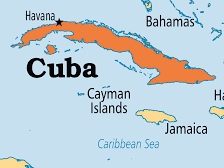
Cuba is facing a deepening tourism crisis as rolling power outages, hotel closures, and flight cancellations force visitors to leave the island. The situation worsens after the United States tightened its decades-old embargo, restricting crucial oil imports and intensifying Cuba’s economic struggles.
French tourist Frederic Monnet recounted his struggle to find transportation. “I found only one taxi,” he said, cutting short his trip to a scenic valley in western Cuba. “There might be no taxis afterwards.”
Fuel shortages have led to long power cuts, extended queues at gas stations, and widespread airline disruptions. An internal Cuban Tourism Ministry report revealed that around 30 hotels and resorts have temporarily closed due to low occupancy and rationed fuel.
Since January, US naval operations have blocked Venezuelan oil tankers from reaching Cuban ports. Washington has also warned other oil-exporting countries, including Mexico, against continuing shipments, threatening punitive measures.
Airlines from Canada and Russia are now operating near-empty flights to retrieve stranded passengers, while some are rerouting flights to include refueling stops. American traveler Liam Burnell expressed concern over returning home: “There was a danger that I might not be able to return, because the airport says it doesn’t have enough fuel for the planes.”
Critical Impact on Cuba’s Economy and Residents
Tourism has historically been Cuba’s second-largest source of foreign income, after revenue from overseas doctors. The current decline threatens the livelihoods of roughly 300,000 Cubans employed in the sector.
Havana’s streets reflect the crisis. Hop-on, hop-off tour buses ran empty, and classic 1950s carriages sat idle under the shade of colonial buildings. “The situation is critical, critical, critical,” said Juan Arteaga, a local vintage car driver. “There are few cars because there is little fuel left. When my gasoline runs out, I go home. What else can I do?”
The island, home to 9.6 million people, has struggled since the US trade embargo began in 1962. Recent years have also seen shortages of food and medicine, compounded by a 70% drop in tourism revenue between 2019 and 2025 due to the COVID-19 pandemic.
In response, Mexico sent two navy ships carrying over 800 tons of humanitarian aid, including milk, meat, rice, beans, and hygiene products.
Musician Victor Estevez warned, “Tourism is a lifeline for all Cubans. If that is affected, then we are really going to be in trouble. The well-being of my family depends on me.”
Tourism expert Jose Luis Perello predicts that Cuba may face “a disastrous year” if current conditions persist.