National News – Nigeria’s military has unveiled a new strategy to curb rising violent conflicts by engaging retired personnel as community mediators.
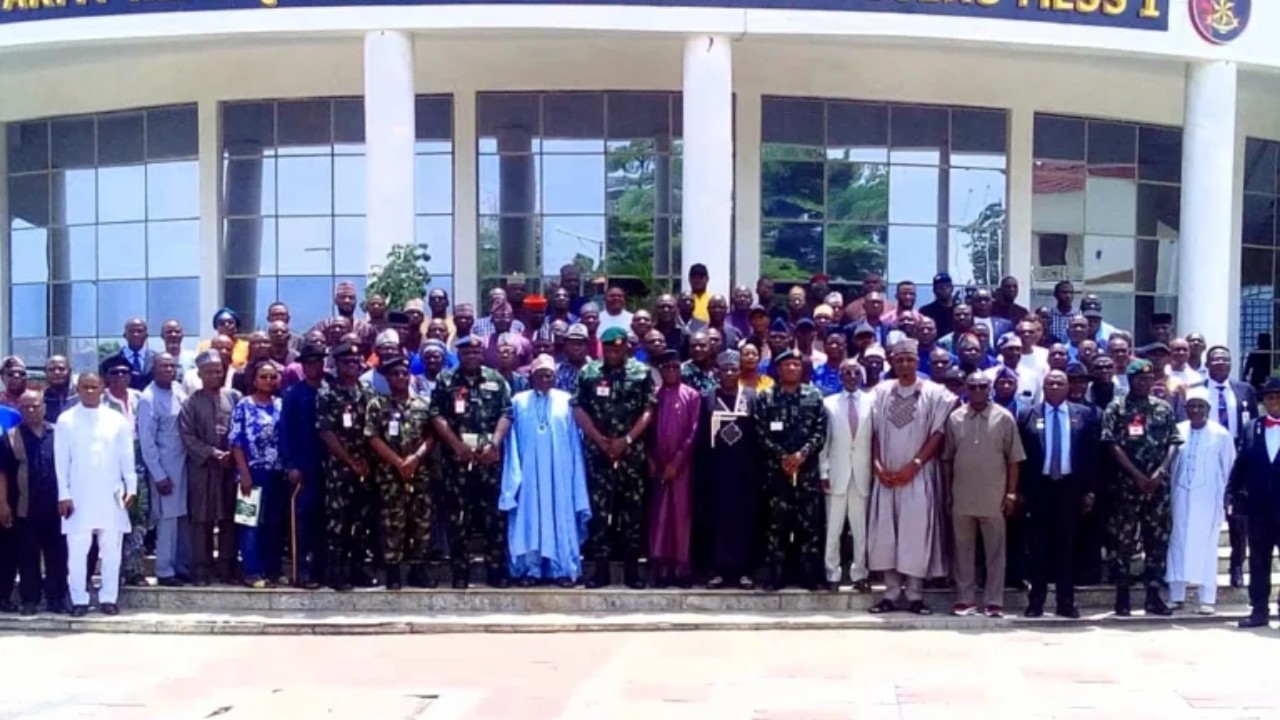
The initiative was announced on Monday in Abuja by the Chief of Defence Staff, Olufemi Oluyede, during the launch of a specialised training programme for veterans.
The programme, organised in collaboration with the Defence Headquarters and a mediation institute, aims to equip former service members with modern conflict resolution skills.
Participants will be trained in negotiation, dialogue facilitation, and early warning systems to help prevent disputes from escalating into violence.
Oluyede stressed that force alone cannot secure lasting peace, noting that many conflicts today stem from local disagreements rather than organised insurgency.
By leveraging the discipline and experience of veterans, authorities hope to strengthen trust within communities and improve intelligence gathering without direct military intervention.
Local reactions have been mixed. Some security analysts in Lagos say the move is long overdue, arguing that veterans command respect and can de-escalate tensions where active troops might be viewed with suspicion.
Others, however, question whether the initiative will receive sustained funding and coordination needed to make a measurable impact.
Veteran groups have welcomed the plan, describing it as a continuation of national service.
Leaders within these associations believe retired personnel remain a valuable but underutilised resource in Nigeria’s security architecture.
The broader implication is a shift toward “non-kinetic” security measures—strategies that prioritise prevention over force.
If successful, the programme could reduce pressure on frontline troops and reshape how Nigeria manages internal conflicts.
Ultimately, the initiative signals recognition that lasting peace depends not just on military strength, but on dialogue, community trust, and early intervention.
Whether this approach delivers results will depend on execution, consistency, and public cooperation.