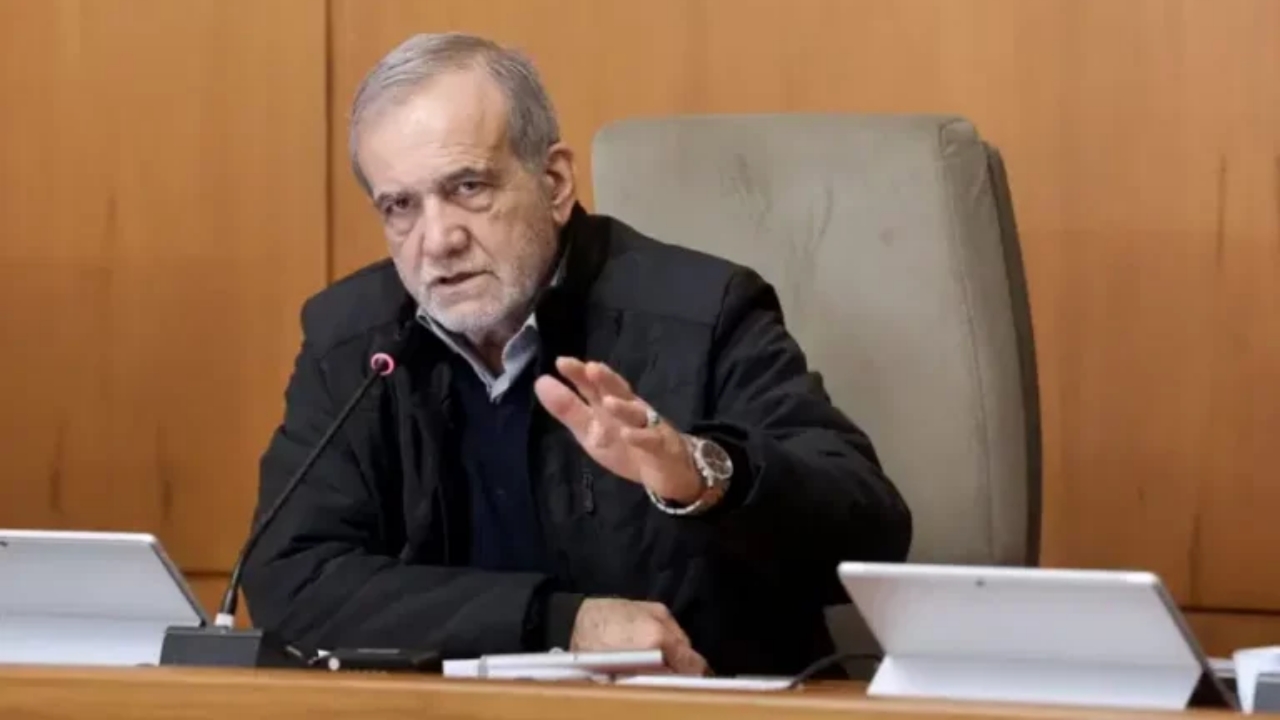
Iran’s President, Masoud Pezeshkian, has declared that Tehran is “not at all” seeking to build a nuclear weapon, just as crucial Iran nuclear talks with the United States begin in Switzerland.
The negotiations, mediated by Oman, are widely viewed as a last-ditch diplomatic effort to prevent a broader Middle East conflict.
Pezeshkian referenced Supreme Leader Ali Khamenei, reiterating that Iran’s leadership has consistently opposed the development of nuclear weapons.
Tehran maintains that its nuclear programme is strictly for civilian and energy purposes.
However, US President Donald Trump has accused Iran of pursuing “sinister nuclear ambitions.” In his recent State of the Union address, Trump warned that failure to secure a deal could trigger military consequences.
Washington is also pushing for limits on Iran’s ballistic missile programme and its regional influence.
US Secretary of State Marco Rubio described Iran’s refusal to negotiate on missile capabilities as “a big, big problem,” while Vice President JD Vance said Tehran should take American threats seriously.
Iran insists its missile range does not exceed 2,000 kilometres, though US estimates suggest it could reach up to 3,000 kilometres—still far short of striking the continental United States.
Recent tensions follow a brief but intense 12-day conflict last year, when Israel launched strikes on Iranian nuclear facilities, escalating regional instability.
Analysts warn that expectations of renewed confrontation remain high, with diplomatic talks seen as the final opportunity to de-escalate.
As Iran nuclear negotiations unfold, global markets, regional allies, and Middle East security observers are closely watching developments that could redefine geopolitical stability in 2026.