The Federal Government has officially prohibited cash tax collection and roadside tax enforcement across Nigeria as part of new regulations designed to modernise the country’s tax system and eliminate informal revenue practices.
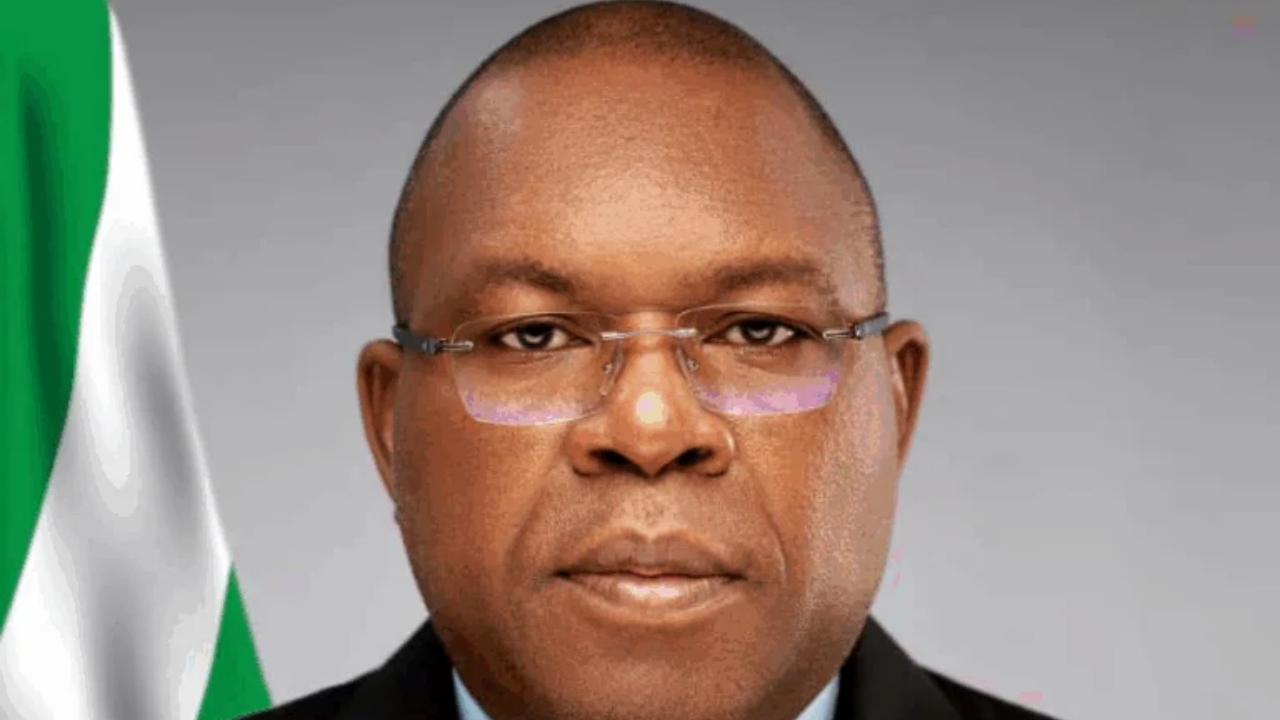
The announcement was made in Abuja by Olusegun Adesokan, Executive Secretary of the Joint Revenue Board, during the signing of the Presumptive Tax Regulations and Implementation Guidelines at the Federal Ministry of Finance.
According to Adesokan, the new policy bans all forms of cash-based tax payments and prohibits authorities from mounting roadblocks to collect taxes, practices that have long been criticised for encouraging corruption and harassment of traders.
He explained that the new framework is aimed at promoting transparency, fairness, and accountability in Nigeria’s tax administration, especially within the informal and commerce sectors.
Under the new tax regulations, nano and small businesses with annual turnover of ₦12 million or less will be exempt from tax under the presumptive tax regime.
For other informal businesses, the government has introduced a 1% tax on turnover, replacing arbitrary levies often imposed by different state and local authorities.
The government also plans to expand the use of technology-driven payment platforms and a Tax Identification system to integrate informal sector operators into the formal tax structure.
Speaking at the event, Nigeria’s Minister of Finance and Coordinating Minister of the Economy, Wale Edun, said the signing marked the transition from policy approval to full implementation of the country’s tax reforms enacted in 2025 and early 2026.
Edun emphasised that the reforms are not intended to increase tax rates, but rather to broaden Nigeria’s tax base while protecting small businesses.
“Our aim is to ensure consistency, prevent arbitrary tax assessments and create a transparent system that supports economic growth,” he said.
He added that the reforms align with the government’s broader economic goals of achieving higher GDP growth and expanding Nigeria’s economy toward a $1 trillion target by 2030.
Chairman of the National Tax Policy Implementation Committee, Joseph Tegbe, said the move represents a shift from policy discussions to practical implementation.
He noted that although Nigeria’s informal sector employs more than 80% of the workforce, its contribution to structured government revenue has remained low due to complex and fragmented tax systems.
The new framework aims to correct those challenges and ensure a fairer tax environment for businesses.