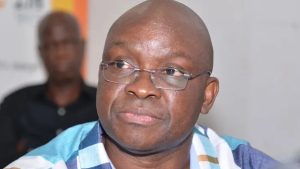
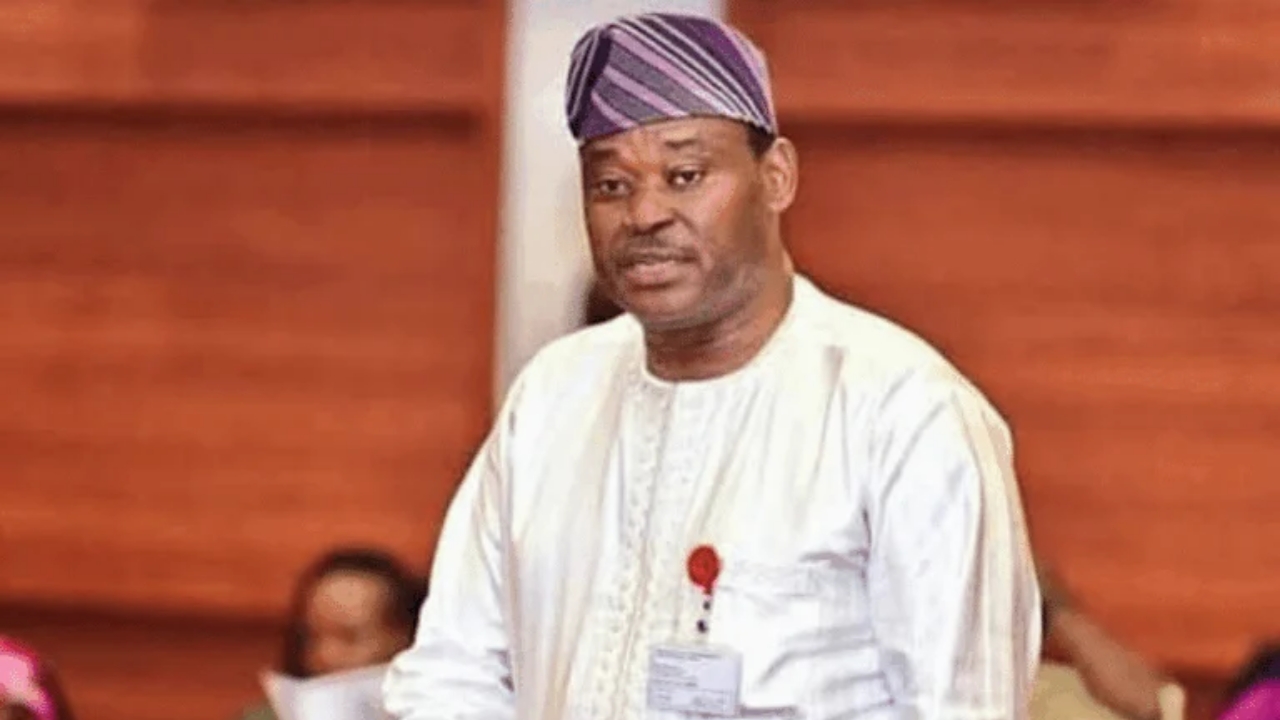
Senator Jimoh Ibrahim, representing Ondo South and ambassador-designate, has praised President Bola Tinubu’s fiscal reforms for keeping Nigeria off the list of the world’s most indebted countries.
Ibrahim shared this insight amid ongoing discussions about Nigeria’s debt profile and borrowing strategies.
Citing recent global debt data for Q4 2025 by the Institute of International Finance, analyzed by Visual Capitalist, he noted that many advanced economies, including Hong Kong (380% of GDP), Japan (372%), and France (326%), carry total debt burdens well above Nigeria’s level.
Several African countries, like Senegal (156%), South Africa (149%), and Tunisia (143%), are also seeing rising debt ratios driven by sovereign borrowing.
Yet Nigeria does not appear among either the global or African top debt lists.
According to Ibrahim, critics who predicted unsustainable borrowing under the Tinubu administration were mistaken.
He emphasized that Nigeria’s fiscal policies reflect deliberate economic planning and structured reforms, including the removal of fuel subsidies and the unification of exchange rates, aimed at stabilizing public finances.
While Nigeria continues to access credit for infrastructure and development projects, Ibrahim highlighted that these borrowings remain within manageable thresholds and are aligned with revenue reforms.
He described the approach as evidence of “Bolaeconometrics,” a term used by supporters to denote Tinubu’s economic recalibration.
Ibrahim cautioned that Nigeria’s position outside the heavily indebted nations does not eliminate fiscal risks.
He stressed that improving non-oil revenue, boosting exports, and enhancing public sector efficiency are crucial for sustaining fiscal stability.
He concluded by expressing confidence that as structural reforms mature, Nigeria’s macroeconomic resilience will strengthen, ensuring fiscal sustainability and continued economic growth.