
The United States government has temporarily eased sanctions on Russian oil, allowing shipments currently stranded at sea to be sold to India in an effort to maintain stability in the global energy market.
According to a statement released on Thursday by the U.S. Treasury Department, the country issued a short-term licence authorising the delivery and sale of crude oil and petroleum products originating from Russia that had already been loaded onto vessels as of March 5, 2026.
The special authorisation permits these transactions to continue until April 3, 2026, giving traders a limited window to complete the sale and delivery of the stranded cargoes.
Officials explained that the measure is designed to prevent disruptions in global oil supply rather than provide economic relief to Russia.
U.S. Treasury Secretary Scott Bessent said the temporary waiver is intended to keep oil flowing into international markets at a time when geopolitical tensions are already affecting global energy stability.
According to him, the decision will have minimal financial benefit for the Russian government because the licence only applies to oil shipments that were already at sea before the announcement.
He noted that the policy is also aimed at easing pressure caused by escalating geopolitical tensions affecting energy supply chains.
The waiver comes despite earlier commitments by India to gradually halt purchases of Russian oil under a broader trade arrangement with the United States.
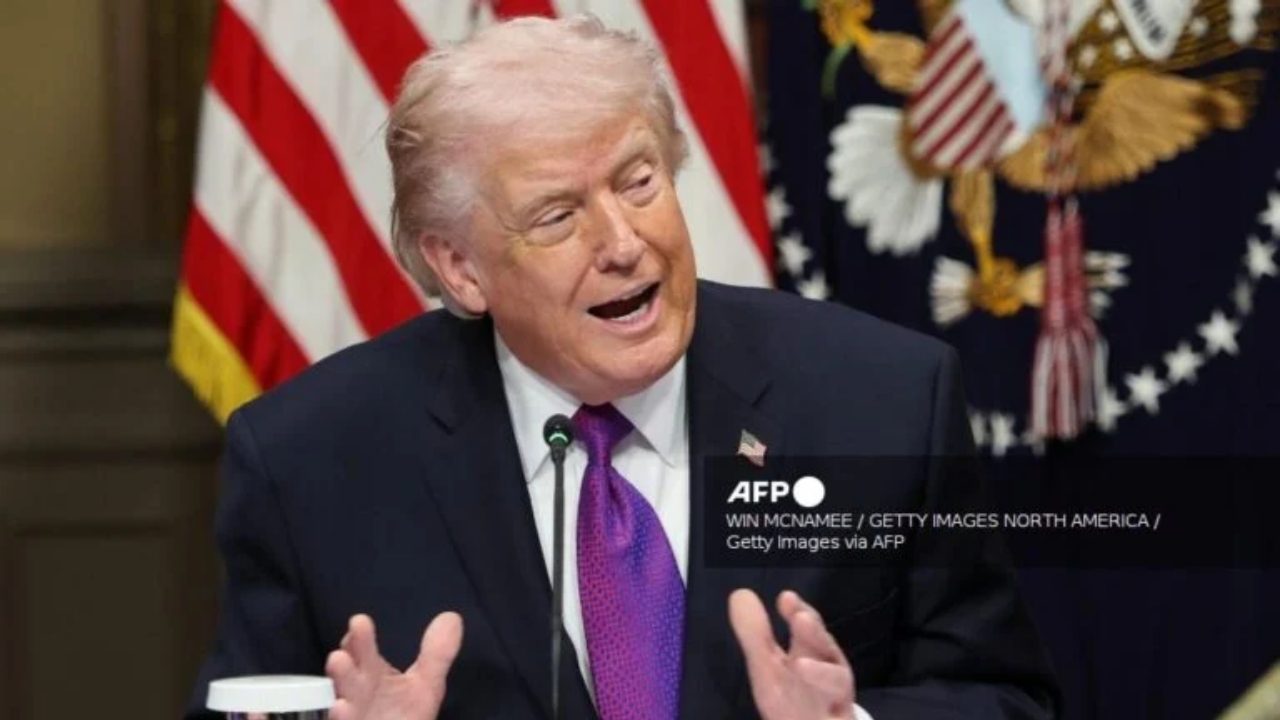
Sanctions on major Russian oil companies were imposed in November by U.S. President Donald Trump as part of measures targeting Russia over its ongoing war with Ukraine.
The restrictions targeted major energy firms such as Lukoil and Rosneft, forcing global oil buyers to seek alternative sources of supply.
Industry analysts say the sanctions significantly disrupted Russia’s oil exports, prompting the country to rely on a fleet of aging oil tankers with unclear ownership structures to transport crude and bypass Western restrictions.
The temporary sanction relief is expected to reduce pressure in the international oil market while preventing a sudden drop in supply that could push energy prices higher.