By Our Correspondent
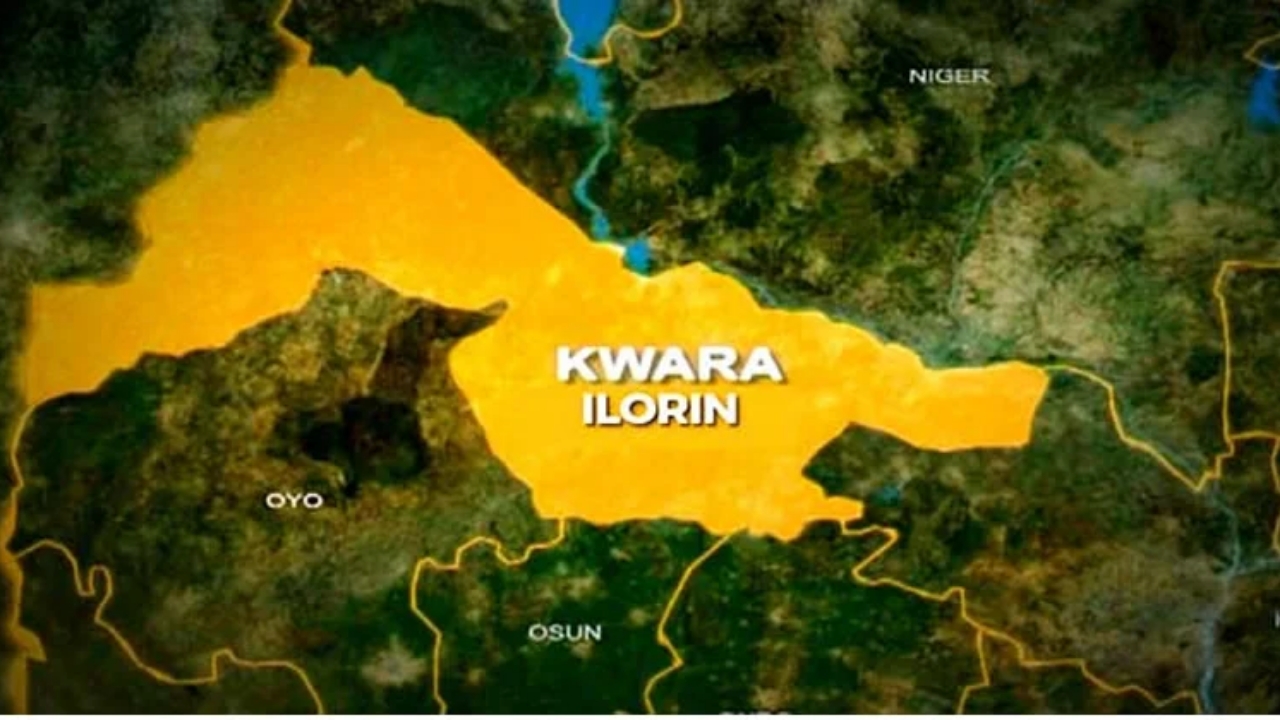
The Kwara State Government has launched a two-day training program for Technical Service Providers working under the Adolescent Girls Initiative for Learning and Empowerment (AGILE) project.
The program aims to oversee the rehabilitation of 898 public junior and senior secondary schools across the state, enhancing both infrastructure and learning outcomes.
Speaking at the training’s flag-off in Ilorin, Commissioner for Education and Human Capital Development, Dr. Lawal Olohungbebe, highlighted Governor AbdulRahman AbdulRazaq’s commitment to education and girl empowerment.
He said the project would strengthen academic and economic opportunities for adolescent girls, while supporting inclusive development across the state.
Dr. Olohungbebe emphasized that the initiative includes construction of classroom blocks in 26 schools, renovation of all 898 schools, digital literacy programs, life skills training, and conditional cash transfers for girls.
He urged Technical Service Providers—comprising civil engineers, architects, quantity surveyors, town planners, estate surveyors, and land surveyors—to ensure high-quality implementation and compliance with environmental and social standards.
Mr. Adeshina Salami, Project Coordinator of Kwara AGILE, stressed collaboration between Technical Service Providers and School-Based Management Committees (SBMCs).
He explained that School Improvement Grants are classified as small, medium, and large, tailored to each school’s specific needs.
All beneficiary schools will receive water, sanitation, and hygiene (WASH) facilities to create conducive learning environments.
Environmental Safeguard Officers, including Mrs. Nkechi Ikemefuna (National Project Coordinating Unit) and Mr. Ayokanmi Owolabi (Kwara AGILE), said the training equips professionals to identify and mitigate environmental risks such as noise pollution, waste mismanagement, occupational hazards, and gender-based violence.
The AGILE project, a five-year initiative backed by the Federal Ministry of Education and supported by the World Bank, focuses on enhancing access to secondary education and learning opportunities for girls in Nigeria.
By combining infrastructure upgrades, digital literacy, and social empowerment programs, Kwara State aims to transform the educational landscape and improve outcomes for vulnerable students.