By Our Correspondent
National News – The Central Bank of Nigeria (CBN) has stated that ongoing financial-sector reforms are strengthening the foundations of Nigeria’s economy.
According to the apex bank, recent progress in banking recapitalisation, inflation control, and foreign exchange market reforms is helping to stabilise the country’s macroeconomic environment and improve investor confidence.
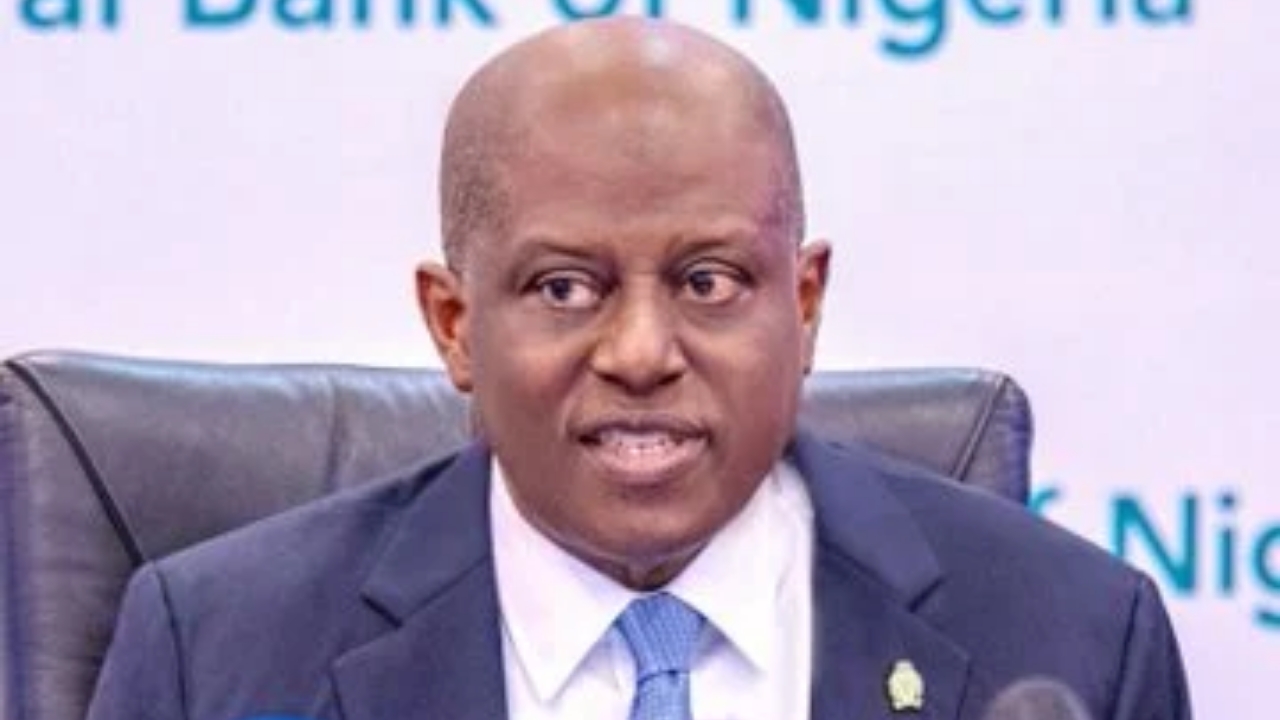
Speaking during the Founders’ Day celebration and Distinguished Alumni Lecture at St. Gregory’s College in Lagos, CBN Governor Olayemi Cardoso highlighted the importance of strong financial institutions in driving sustainable economic growth.
His lecture, titled “Strong Foundations: From the Classroom to the Capital Base,” focused on the link between discipline, integrity, and the long-term stability of financial systems.
Cardoso explained that Nigeria has faced significant economic pressures in recent years, including exchange-rate volatility, inflation spikes, and macroeconomic imbalances.
However, he noted that consistent monetary policy and structural reforms are gradually restoring confidence in the country’s financial system.
The CBN governor also provided an update on the banking recapitalisation programme introduced in 2024.
According to him, 33 banks have successfully raised additional capital, while 30 financial institutions have already met the new minimum capital requirements set by regulators.
He added that other banks are currently undergoing regulatory verification to ensure full compliance with the updated financial standards.
Another key highlight of the reforms is the improvement in Nigeria’s inflation outlook. Cardoso disclosed that inflation has declined significantly from a peak of about 34 percent to around 15 percent, following recent monetary policy adjustments implemented by the central bank.
The apex bank also reported significant progress in the foreign exchange market.
The gap between official and parallel market exchange rates has narrowed sharply, dropping from nearly 50 percent in 2022 to less than two percent by 2025.
This improvement has been attributed to measures introduced to increase transparency and liquidity within the FX market.
In addition, Nigeria’s external reserves have strengthened in recent years, exceeding $50 billion, while foreign capital inflows and investment levels increased between 2023 and 2025.
Cardoso further emphasised the growing role of financial technology in expanding financial inclusion.
He noted that Nigeria now boasts one of the world’s most dynamic fintech ecosystems, helping millions of citizens gain access to digital banking and financial services.