By Our Correspondent
National News – High-level negotiations between the United States and Iran aimed at ending the escalating Middle East conflict concluded without an agreement after an intensive session in Islamabad, Pakistan.
The talks, which represented the most significant direct engagement between the two nations in decades, ended with no breakthrough, though both sides have left the door open for continued dialogue.
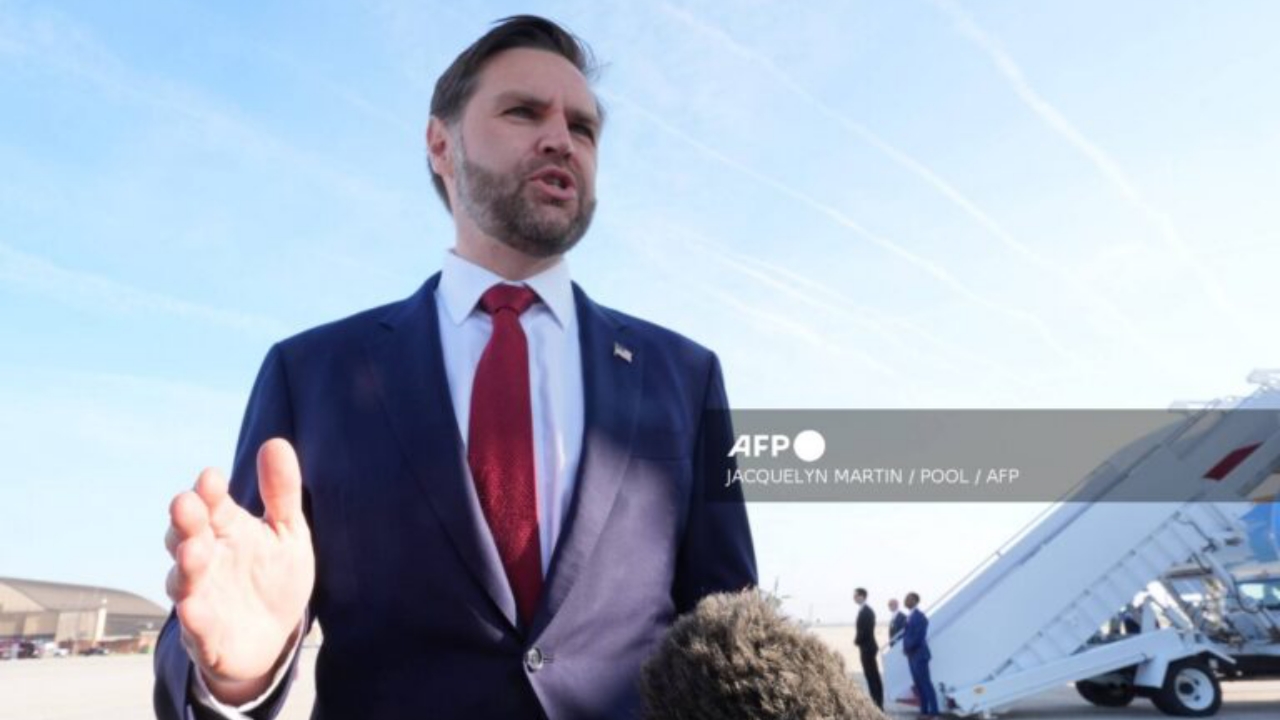
The United States delegation, led by senior officials, pushed for firm assurances that Iran would not pursue nuclear weapons development.
Iran’s representatives, however, maintained that American demands were excessive, calling instead for sanctions relief, the unfreezing of assets, and guarantees against future attacks.
Despite hours of negotiations, deep mistrust and long-standing geopolitical tensions prevented a final settlement.
The United States described its proposal as a “final and best offer,” emphasizing that the path forward depends on Iran’s willingness to accept core security commitments.
Iran countered that the terms failed to acknowledge its sovereignty and national interests, creating a diplomatic stalemate.
Despite this, Pakistan, which hosted the meeting, pledged to continue facilitating dialogue in hopes of preserving regional stability and maintaining the fragile ceasefire.
While diplomatic efforts continue, conflict across the region remains volatile.
Military actions linked to the broader Middle East war continue to affect neighboring territories, intensifying pressure on regional governments and disrupting civilian life.
Strategic maritime corridors remain under heightened military alert, raising concerns about global energy security and economic stability.
Analysts warn that the failure to secure a binding agreement could prolong hostilities and deepen geopolitical divides.
However, both sides’ willingness to continue negotiations suggests that diplomatic channels remain open.
Observers believe further rounds of talks may follow, depending on regional developments and political will.
As global attention remains focused on the Middle East, the outcome of future negotiations will play a crucial role in determining whether the conflict escalates further or moves toward a lasting resolution.