By Our Correspondent
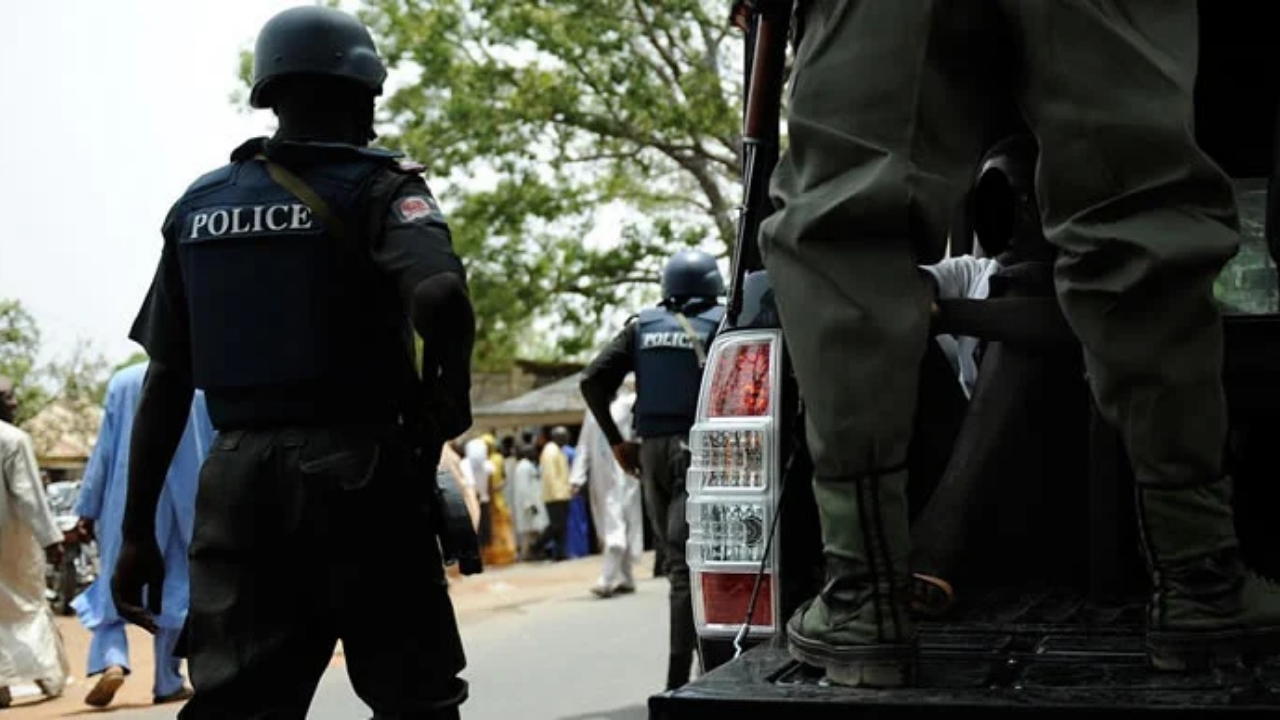
National News – The Nigeria Police Force has rejected a report by Amnesty International claiming that over 1,100 people were kidnapped across Nigeria in just 90 days.
The police, through spokesperson Muyiwa Adejobi, questioned the credibility of the data, stating that the organisation failed to consult official security records before publication.
The report, which covers January to April 2026, alleges widespread abductions, particularly in northern regions, prompting renewed concerns over national security under President Bola Tinubu.
According to Amnesty International, victims—mostly from rural communities and internally displaced persons camps—face severe abuses including torture, starvation, rape, and forced involvement in violent acts.
The group cited multiple incidents across states such as Kwara, Zamfara, Borno, Kaduna, and Niger, detailing mass kidnappings and attacks.
It claimed that the figures may even be underreported due to limited access to affected areas and fear among victims’ families.
However, the police insist that any crime statistics must be verified through official channels.
They challenged Amnesty to disclose its sources, arguing that the absence of collaboration undermines the report’s accuracy.
Authorities emphasized that security agencies maintain comprehensive records and urged civil society organisations to engage them before releasing sensitive data.
Meanwhile, former presidential candidate Gbenga Olawepo-Hashim warned that killings and abductions across Nigeria are being dangerously underreported.
He highlighted recent attacks in Kebbi, Benue, Plateau, and Nasarawa states, where dozens were killed within weeks, with many incidents receiving minimal attention.
The development underscores growing insecurity concerns nationwide.
Amnesty has called on the Federal Government to take urgent action, while the police advocate stronger collaboration to ensure accurate reporting and effective response strategies.
As communities continue to suffer, the debate over data accuracy reflects a broader challenge in addressing Nigeria’s evolving security crisis.