
Did You Know?
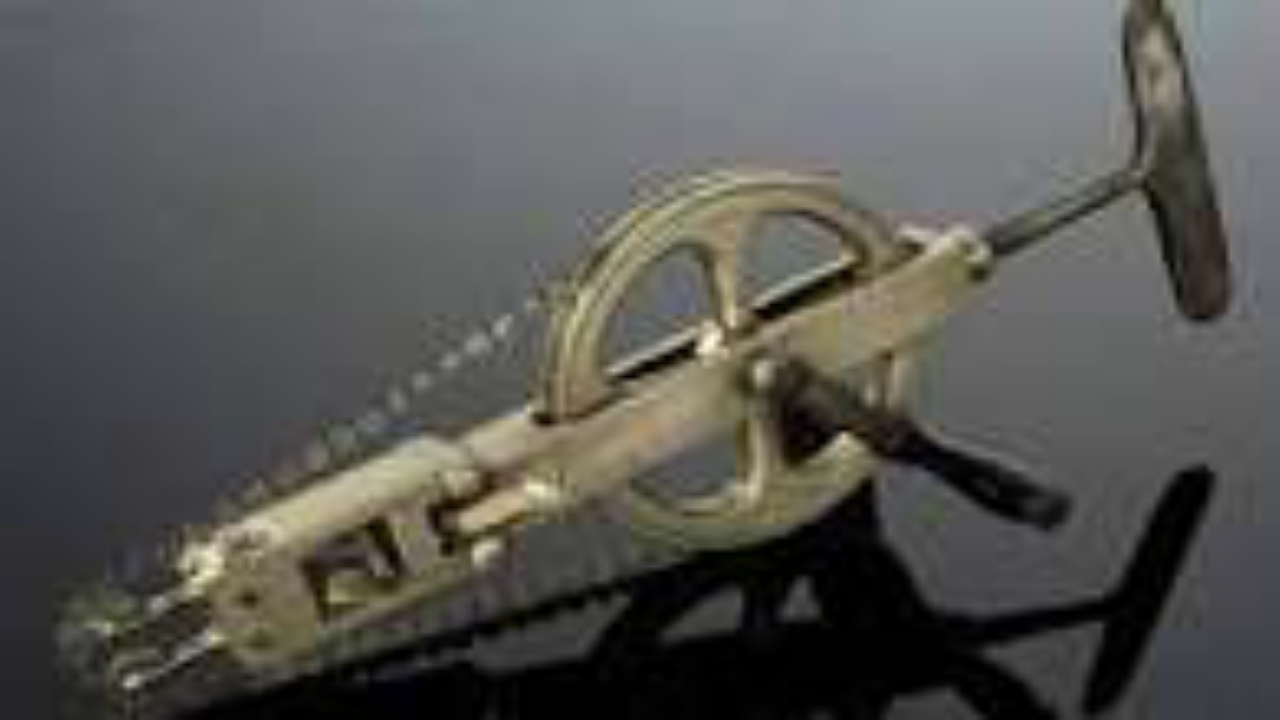
A startling historical fact has resurfaced about the origins of the chainsaw, revealing that the tool was not initially designed for cutting trees but for assisting childbirth procedures in the late 18th century.
Historians note that the device was first developed in Scotland to aid doctors performing symphysiotomy, a surgical method used when a baby could not pass through the birth canal naturally.
The early chainsaw was a small, hand-operated instrument, far removed from the modern, motorized versions used in logging and construction today.
Medical practitioners used it to cut bone more efficiently and with less time than traditional knives, aiming to improve survival chances for both mother and child during complicated births.
Over time, advancements in medicine made such procedures less common, while technological innovation transformed the chainsaw into a powerful mechanical tool.
By the 19th and 20th centuries, chainsaws had evolved significantly, becoming essential equipment in forestry, construction, and disaster response.
This unusual origin story continues to surprise many, highlighting how inventions can drastically change purpose over time.
Experts say the transformation of the chainsaw underscores the adaptability of human innovation and the evolving nature of technology across industries.
Today, while chainsaws are widely associated with cutting wood and industrial use, their medical beginnings remain a little-known but fascinating part of history.
Now, you know.
National News