By Our Correspondent
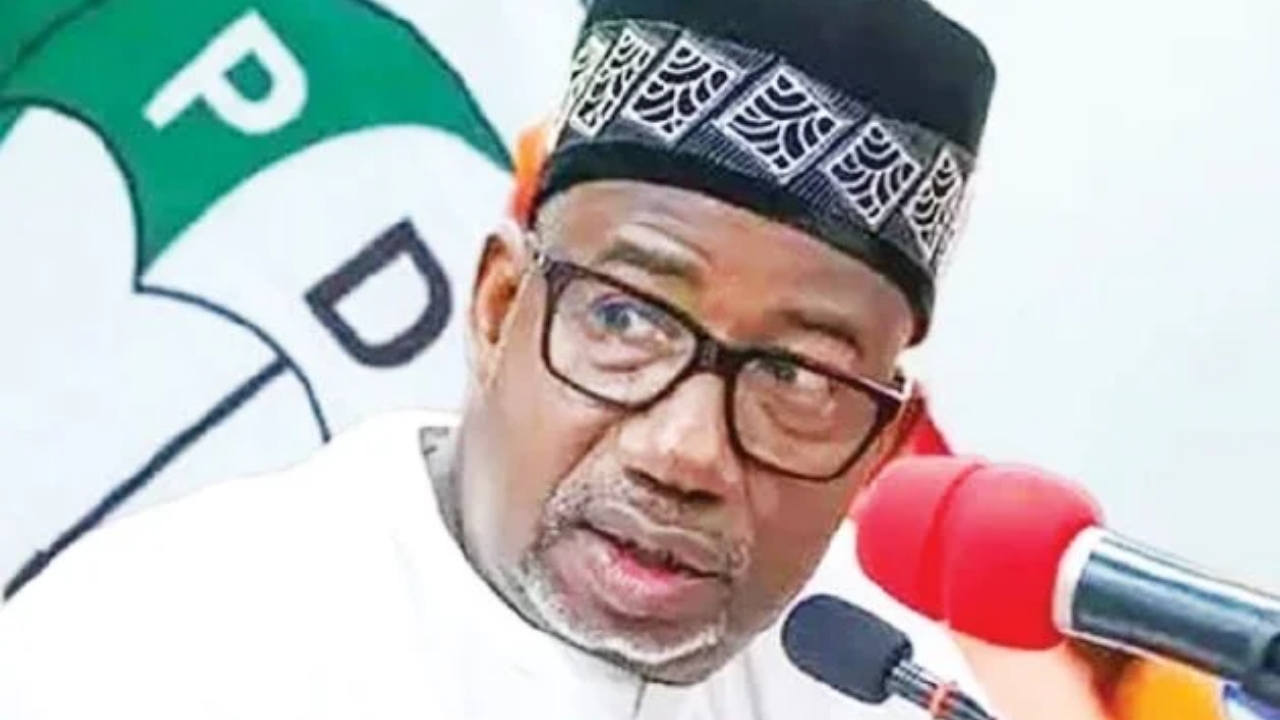
National News – Bala Mohammed has halted plans to defect from the Peoples Democratic Party (PDP) to the All Progressives Congress (APC) after negotiations between both sides broke down over a disputed power-sharing formula.
The failed talks, which took place on Saturday in Bauchi State, involved the governor, his Turaki-led PDP faction, and APC leaders.
The disagreement centered on a proposed 60–40 arrangement that would have determined control of party structures across the state.
While Mohammed’s camp pushed for the formula, the APC leadership rejected it, leading to a deadlock and eventual collapse of discussions.
Speaking on behalf of the PDP faction, Sama’ila Burga confirmed that the negotiations were initiated through high-level consultations, including outreach from APC stakeholders and the involvement of Abba Yusuf, who reportedly visited Bauchi to persuade the governor.
However, despite these efforts, both sides could not agree on terms that would accommodate the existing PDP structure within the APC framework.
Burga explained that the 60–40 sharing formula had been applied in similar political defections elsewhere, making its rejection a major setback.
He stressed that it would be unreasonable for a sitting government transferring its political base from ward to state level not to retain significant control.
This disagreement ultimately forced the PDP faction to withdraw from the talks.
Following the collapse, Mohammed and his allies have announced plans to explore alternative political platforms.
Consultations are ongoing at all levels, with the aim of identifying a party that aligns with their political strategy and the interests of Bauchi residents.
The governor’s camp also expressed appreciation for APC’s engagement but maintained that the conditions offered were not acceptable.
The development highlights ongoing political realignments ahead of future elections, as key stakeholders reassess alliances and strategies in Nigeria’s evolving political landscape.