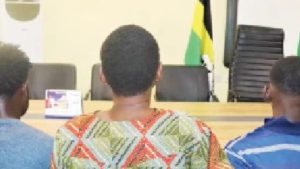
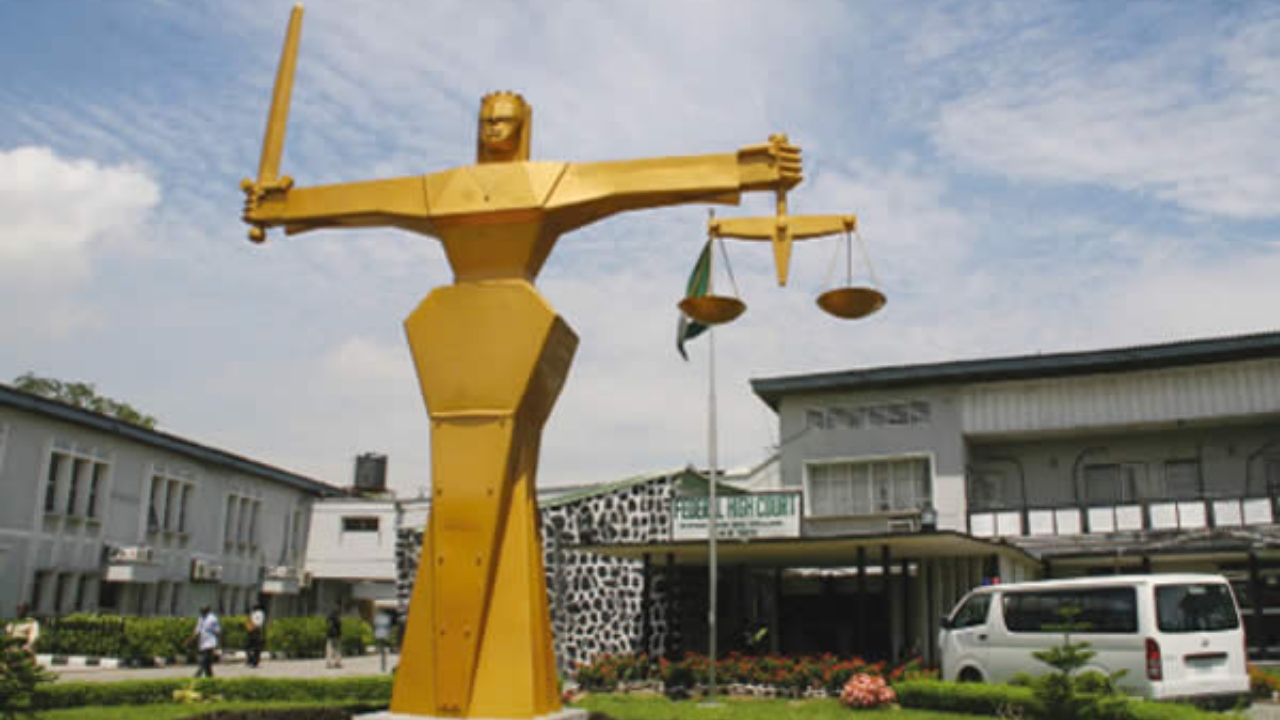
National News – Tension filled the Federal High Court Abuja as six individuals accused of plotting to destabilise Nigeria formally denied all allegations, setting the stage for a high-stakes legal battle that could test the country’s security framework and judicial transparency.
The defendants — including retired military officers and a police inspector — were arraigned on a 13-count charge bordering on terrorism and alleged plans to “levy war” against the Nigerian state.
Prosecutors, led by Attorney-General Lateef Fagbemi, told the court the accused conspired in 2025 within Abuja to undermine the authority of the President.
A former minister, Timipre Sylva, was also named but remains at large.
Proceedings began Wednesday afternoon but were briefly delayed due to legal representation issues and language barriers, requiring interpretation support before all defendants could enter their pleas.
Each accused person eventually pleaded not guilty, with some acknowledging financial transactions cited in the charges but denying any connection to terrorism.
Justice Joyce Abdulmalik ordered their remand in the custody of the Department of State Services while approving accelerated proceedings.
The trial is scheduled to begin on April 27, alongside hearings on bail applications.
Beyond the courtroom, emotions ran high.
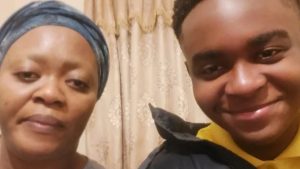
Families of the accused, particularly spouses, appealed publicly for their release, citing prolonged detention and hardship.
One wife’s plea highlighted the human cost, drawing sympathy and sparking debate about due process and detainee rights.
Analysts say the outcome could influence Nigeria’s approach to internal threats and reinforce — or strain — public trust in institutions.
Public reaction remains divided. While some Nigerians support firm action against perceived threats, others caution against potential misuse of terrorism charges in politically sensitive cases.
As proceedings unfold, attention will remain fixed on whether the prosecution can substantiate its claims — and how the court navigates one of the country’s most sensitive trials in recent times.