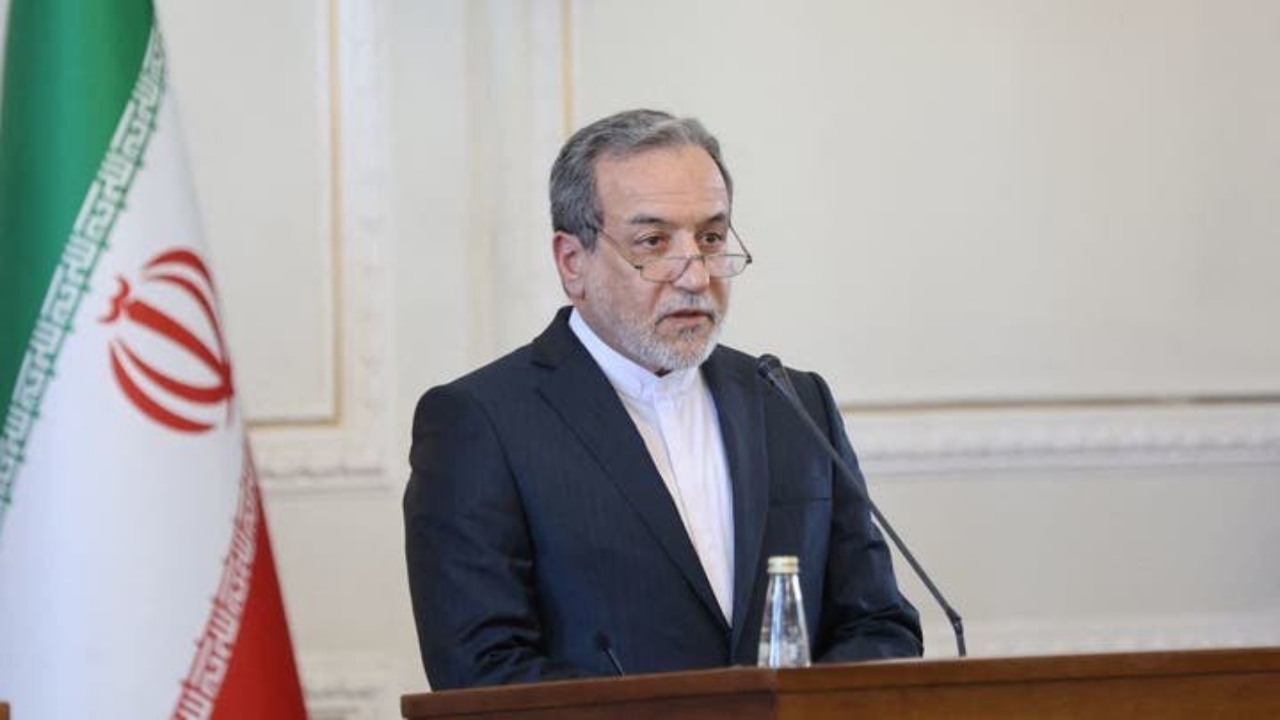
National News – Iran’s Foreign Minister, Abbas Araghchi, arrived in Saint Petersburg on Monday to meet President Vladimir Putin, as fragile diplomatic efforts between Iran and the United States remain stalled.
The visit comes after cancelled talks in Islamabad and ongoing mediation attempts involving regional players like Oman.
The latest development follows a decision by US President Donald Trump to call off a planned diplomatic mission, deepening uncertainty around ceasefire negotiations tied to the ongoing Middle East conflict.
While indirect messages have reportedly been exchanged through Pakistan, both sides appear far from formal negotiations, particularly over nuclear demands and control of the strategic Strait of Hormuz.
The stakes remain high.
Iran’s continued restriction of the Hormuz passage has disrupted global oil and gas flows, triggering price spikes and renewed fears of economic instability.
Analysts note that developing countries—including Nigeria—could face rising fuel costs and food inflation if the standoff persists.
Already, global supply chains are showing signs of strain.
From a geopolitical standpoint, Iran’s pivot toward Russia signals a strengthening alliance aimed at counterbalancing Western pressure.
For Moscow, the engagement offers leverage in global energy politics, while Tehran seeks diplomatic backing amid mounting economic sanctions.
Locally, Nigerian energy experts warn that prolonged tensions could worsen domestic fuel prices, despite recent reforms in the petroleum sector.
Some Lagos-based economists argue that Nigeria must accelerate diversification and reduce reliance on imported fuel to cushion external shocks.
Meanwhile, the conflict’s ripple effects extend beyond economics.
Renewed hostilities involving Israel and Hezbollah in Lebanon threaten to derail ceasefire gains, raising broader regional security concerns.
In essence, the question now is not just whether talks will resume—but how long the world can absorb the consequences of a prolonged diplomatic deadlock.