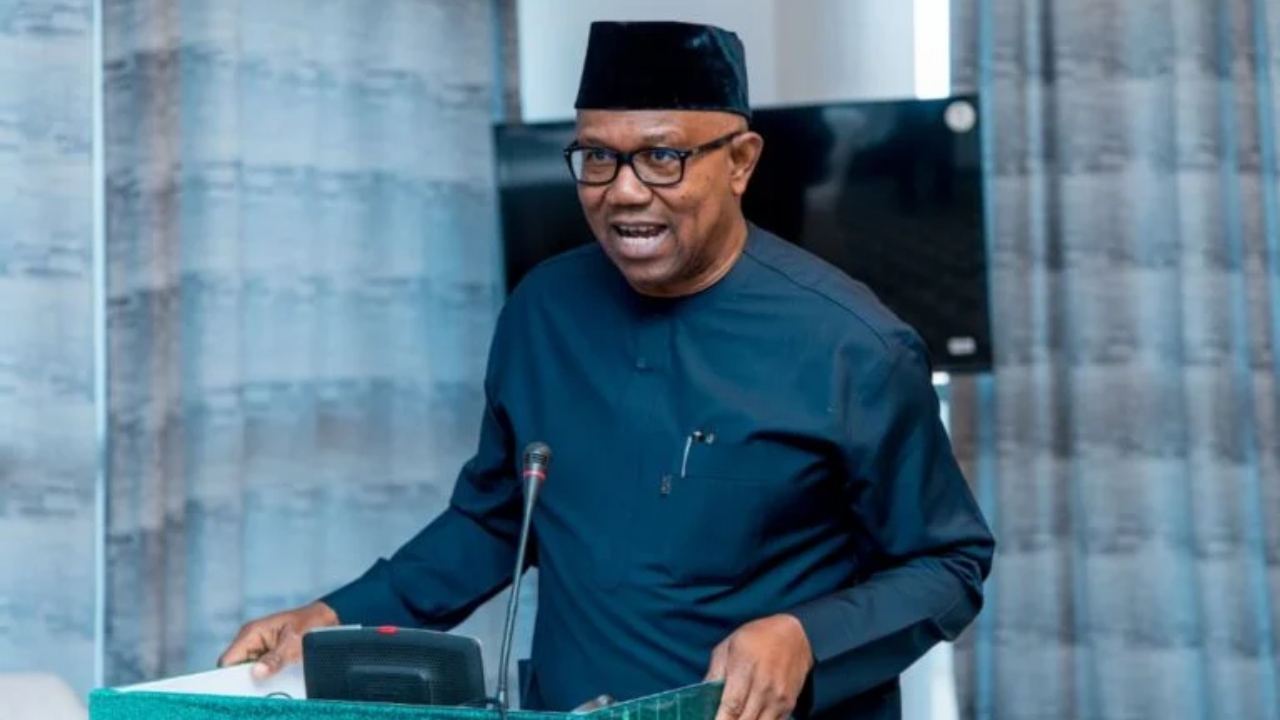
National News – The management of Obafemi Awolowo University (OAU), Ile-Ife, has clarified its decision to deny approval for a proposed lecture venue where former Labour Party presidential candidate, Peter Obi, was scheduled to speak.
The institution explained that the invitation came through a student group, but details about the guest speaker were only fully disclosed on Friday, a day before the planned event on Monday morning.
It said such high-profile engagements require adequate advance notice to allow proper security coordination, including collaboration with law enforcement agencies.
According to the university, the short notice made it impossible to put in place logistics needed to ensure safety, order, and smooth participation of attendees at the venue.
The university also emphasized that its decision was based purely on institutional protocols and not political considerations, adding that it still holds Peter Obi in high regard.
Meanwhile, Obi expressed concern over what he described as a growing pattern of repeated cancellations of his academic engagements across Nigerian universities, saying it had occurred more than ten times and raising questions about academic freedom.
Reactions from students and local observers in Ile-Ife suggest mixed sentiments.
While some students support the university’s stance on security preparedness, others view the decision as a missed opportunity for intellectual engagement.
The development has also sparked wider debate about how political figures are hosted in public universities.
Analysts say the incident highlights a recurring tension between security protocols and academic freedom in Nigeria’s higher institutions.
It also underscores the sensitivity around political events on campuses, where authorities often balance safety concerns with the rights of students and invited speakers to engage freely.
The development may influence how universities across Nigeria handle future invitations involving political actors, especially during election cycles.
Stakeholders argue that clearer guidelines on event approvals, earlier notifications, and stronger coordination with security agencies could reduce last-minute cancellations.
It also raises broader questions about balancing institutional neutrality with open democratic discourse within academic spaces that are meant to encourage debate and critical thinking.