National News – Ghana has withdrawn from negotiations with the United States over a proposed $109 million, five-year aid package after disagreements surrounding access to citizens’ personal data stalled progress.
The talks, which reportedly involved health-sector funding to combat diseases such as HIV/AIDS, malaria, and tuberculosis, broke down this week following mounting pressure from US negotiators.
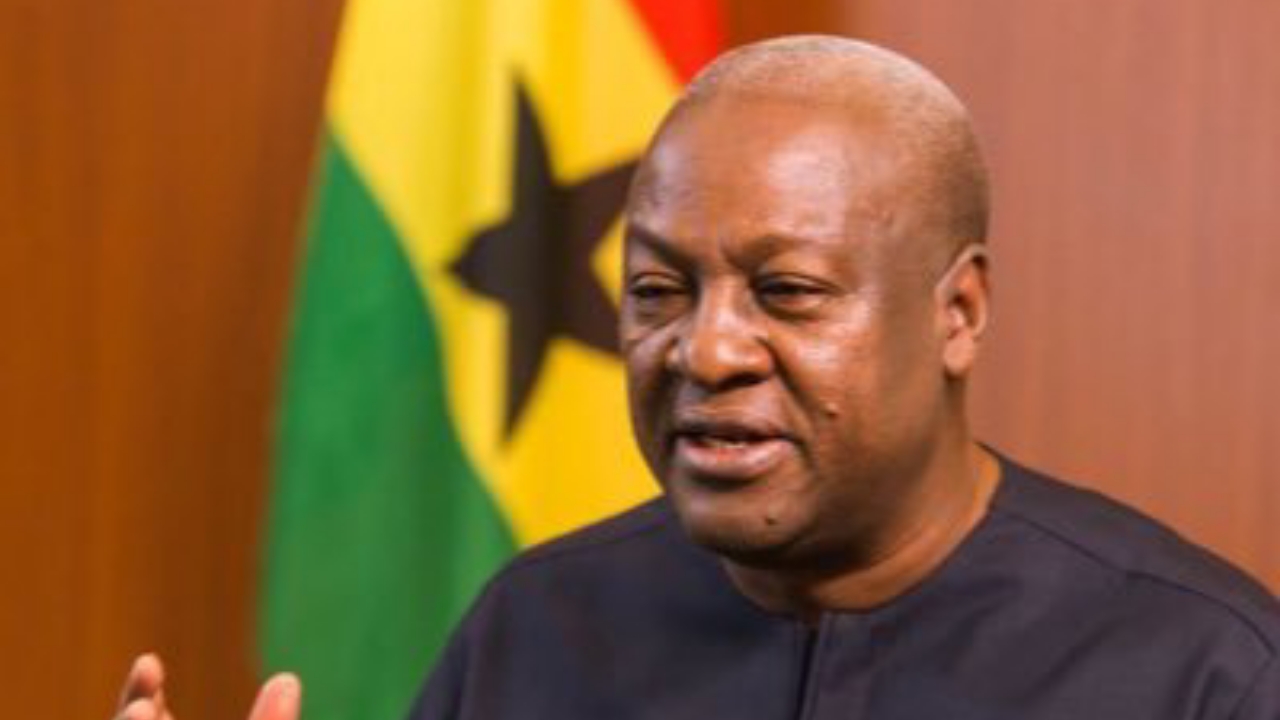
Sources close to the process disclosed that officials under President John Mahama resisted clauses that would grant US authorities access to sensitive national data, arguing that such conditions undermined sovereignty and privacy protections.
The discussions became increasingly tense, with Ghana’s delegation pushing back against what they viewed as intrusive requirements.
The breakdown comes amid broader shifts in US foreign aid policy under Donald Trump, whose administration has reduced reliance on traditional aid agencies and NGOs, opting instead for direct bilateral arrangements.
Analysts say this approach is reshaping how African countries engage with Western partners, often introducing stricter conditions tied to transparency, data sharing, and accountability.
Locally, the decision has sparked mixed reactions.
Some policy observers across West Africa have praised Ghana’s stance as a bold assertion of national interest, arguing that African governments must draw clear lines on digital sovereignty in an era of global data exploitation.
Others, however, worry about the immediate public health implications, noting that losing such funding could strain already limited healthcare systems.
The implications extend beyond Ghana. Experts suggest the episode could influence future negotiations between African nations and global powers, especially as data governance becomes a central issue in international cooperation.
It also raises questions about whether countries will seek alternative partnerships, possibly turning to emerging donors or regional collaborations to fill funding gaps.
Ultimately, Ghana’s move signals a growing willingness among African states to prioritise control over sensitive information, even at the cost of significant financial support—a shift that may redefine the balance of power in global aid relationships.