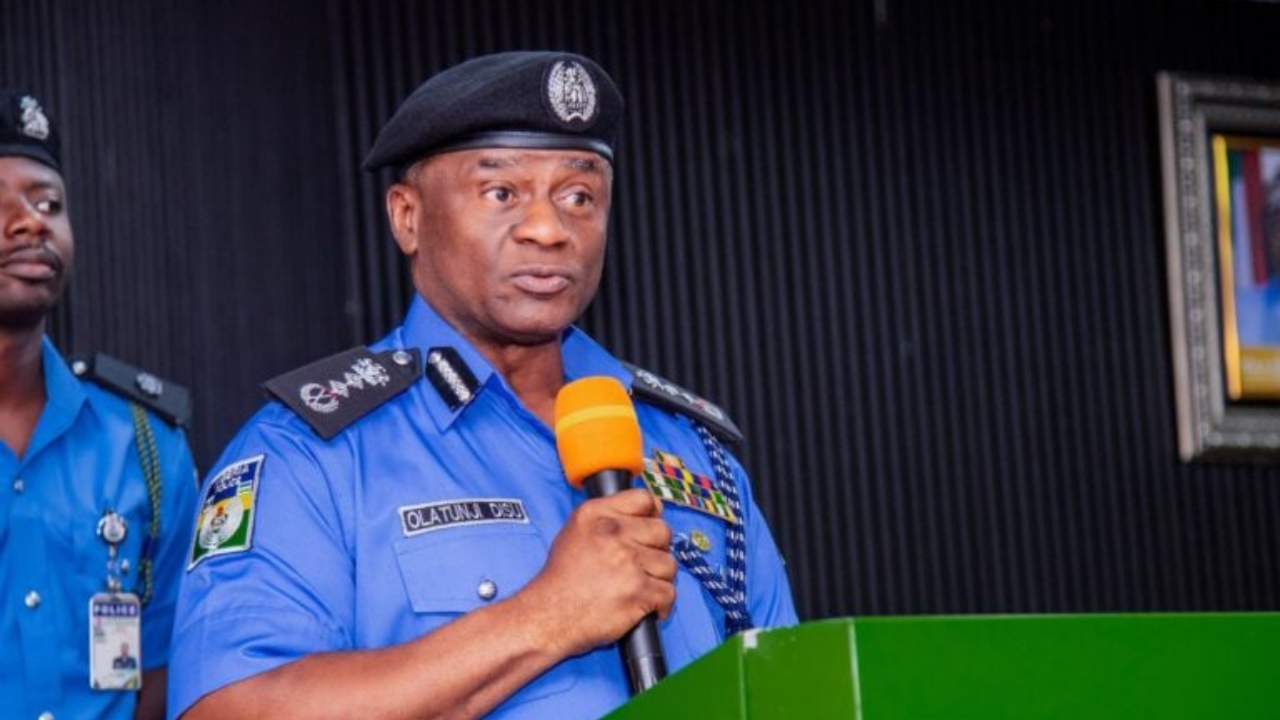
National News – The Inspector-General of Police, Olatunji Disu, has said the philosophy guiding his leadership of the Nigeria Police Force is not new but one he began forming as a young cadet, long before rising to the top position.
Speaking during an engagement with crime reporters in Lagos on Saturday, the police chief reflected on how early personal convictions about discipline, structure, and responsibility gradually shaped the way he now leads the force.
According to him, his experiences across different postings—particularly in Lagos—reinforced his belief that policing must be intentional rather than reactive, with officers guided by clear principles rather than momentary pressures.
That thinking, he suggested, influenced his decisions over time, including how he handled public communication and internal leadership challenges.
Disu also recounted his initial unease with journalists when he was first deployed to Lagos, admitting he once viewed the media with caution.
Over time, however, that perception changed as he began to see the press not as adversaries but as critical observers capable of strengthening accountability.
This shift led him to encourage officers under his command to maintain open and respectful relationships with reporters, even when faced with criticism.
That position has drawn mixed reactions among residents and observers.
While some believe closer ties between the police and media could improve transparency and rebuild public confidence, others remain doubtful, pointing out that similar assurances from past leadership rarely translated into meaningful change at street level.
Concerns about misconduct, delayed responses, and weak accountability structures continue to shape public perception.
Analysts argue that while a clearly defined vision is important, its success depends on whether it influences everyday policing culture.
Without visible improvements in officer conduct and community relations, they warn, such ideas risk being seen as familiar rhetoric rather than genuine reform.
For many Nigerians, the real measure of Disu’s leadership will lie not in long-term intentions, but in whether citizens begin to feel safer and better protected in their daily lives.