
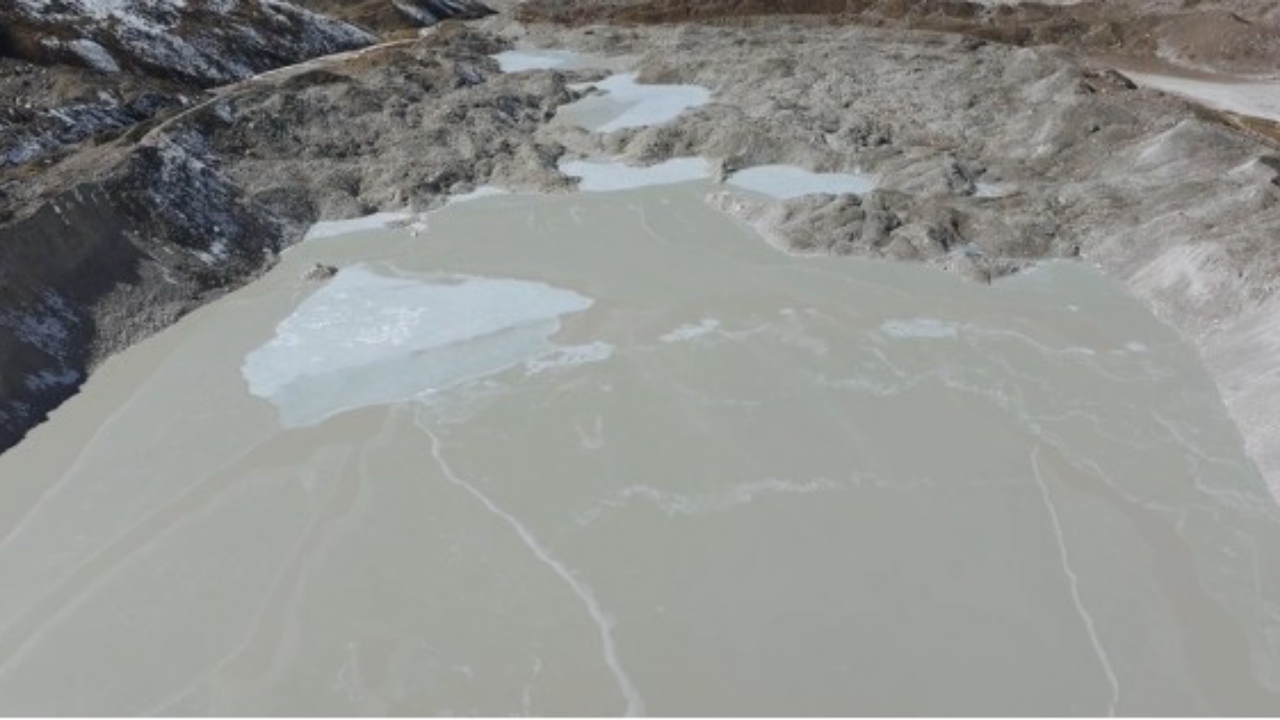
National News – Nepalese authorities and Sherpa communities have raised alarm over a failing early flood warning system at the Imja glacial lake in the Everest region, originally funded as a multi-million-dollar UN-supported risk reduction project in 2016.
The system, designed to alert downstream villages to potential glacial lake outburst floods, is now reportedly deteriorating due to years of neglect, missing maintenance visits, stolen batteries, and unreliable satellite data transmission.
Officials say funding shortages and shifting priorities have left the infrastructure largely unattended.
Locals in nearby Sherpa settlements say they were promised yearly inspections and maintenance of siren towers positioned along the valley, but claim no officials have visited in years.
Several warning towers are now rusting or leaning, raising doubts about whether they would function during an emergency.
Community representatives describe growing frustration, saying repeated appeals to government departments in Kathmandu have not resulted in repairs or technical checks.
The warning system’s decline comes amid rising concern over climate change in the Himalayas.
Rapid glacier melt is expanding glacial lakes like Imja, increasing the risk of sudden outburst floods that could sweep through villages, trekking routes, and bridges.
Authorities estimate thousands of residents and more than 60,000 annual visitors in the Everest region could be exposed to danger if a breach occurs without warning.
Experts argue the situation highlights a broader governance challenge in sustaining high-altitude climate infrastructure.
While international donors continue to fund new projects, critics say weak institutional coordination and unclear maintenance budgets undermine long-term safety.
The UN development agency has acknowledged “lessons learned” and promised stronger sustainability mechanisms in future initiatives, but affected communities remain skeptical about immediate improvements.
Observers warn that without urgent restoration of monitoring equipment and guaranteed maintenance funding, trust between Himalayan communities and government agencies could further erode, especially as climate-driven hazards intensify.
They argue that safeguarding Everest’s downstream settlements is not only a local safety issue but also essential for Nepal’s tourism economy and global mountaineering industry, which depend heavily on perceived environmental stability.