By Our Correspondent
National News – The Federal Government has launched a $552.18 million education reform initiative designed to transform Nigeria’s basic education system and improve learning outcomes for millions of pupils nationwide.
The programme, known as HOPE for Quality Basic Education for All (HOPE-EDU) and HOPE-Governance (HOPE-GOV), will benefit more than 29 million children and 500,000 teachers across the country.
The initiative, implemented in partnership with the World Bank and the Global Partnership for Education, officially became operational on February 27, 2026, with a nationwide rollout planned in phases.
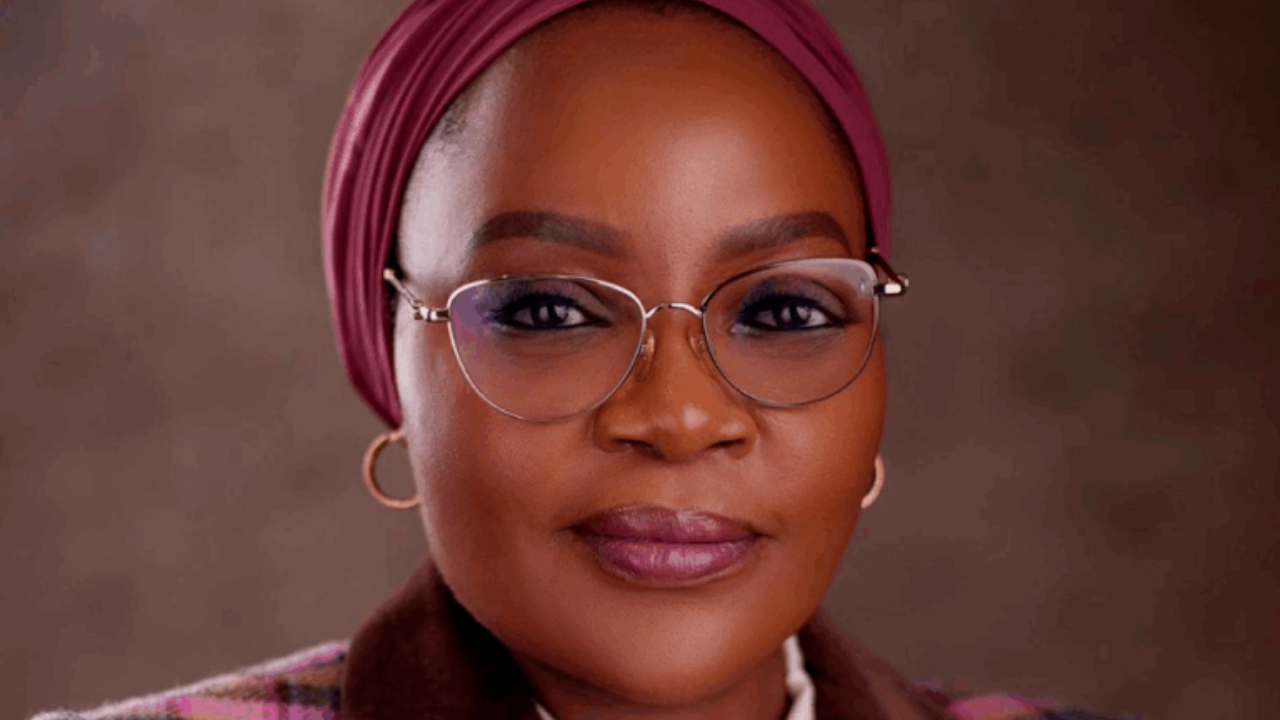
The Executive Secretary of the Universal Basic Education Commission, Dr Aisha Garba, disclosed the development during a three-day sensitisation workshop held in Ikeja, Lagos, on Wednesday.
The workshop brought together Commissioners of Education, State Universal Basic Education Board chairmen, and key programme implementers responsible for executing the reforms at the state level.
According to Garba, the programme aims to improve learning quality, expand access to education, and strengthen governance in the education sector.
She explained that the initiative will construct 13,000 new classrooms, enhance the availability of teaching and learning materials, and help return millions of out-of-school children to classrooms across Nigeria.
Garba emphasised that while the Federal Ministry of Education and UBEC will provide funding and technical guidance, state governments will drive the actual implementation through community mobilisation, needs assessments, and grassroots execution.
The initiative aligns with President Bola Tinubu’s Renewed Hope Agenda, which prioritises human capital development and improved public service delivery.
Nigeria currently faces major education challenges, including one of the highest numbers of out-of-school children globally, alongside inadequate school infrastructure and limited teacher capacity.
To ensure accountability, the programme will adopt a results-based financing model, meaning states will receive incentives after achieving measurable targets tied to education quality, access, and governance improvements.
Digital dashboards will also track funding, activities, and progress in real time.
Garba urged stakeholders to prioritise girls’ education, children with disabilities, vulnerable learners, and those in conflict-affected areas, stressing that inclusive education is essential for Nigeria’s economic and democratic growth.
The sensitisation exercise is being implemented in phases, beginning with South-South and South-East states in Uyo, followed by South-West and North-Central states in Lagos, while the final phase will cover North-West and North-East states in Kano.