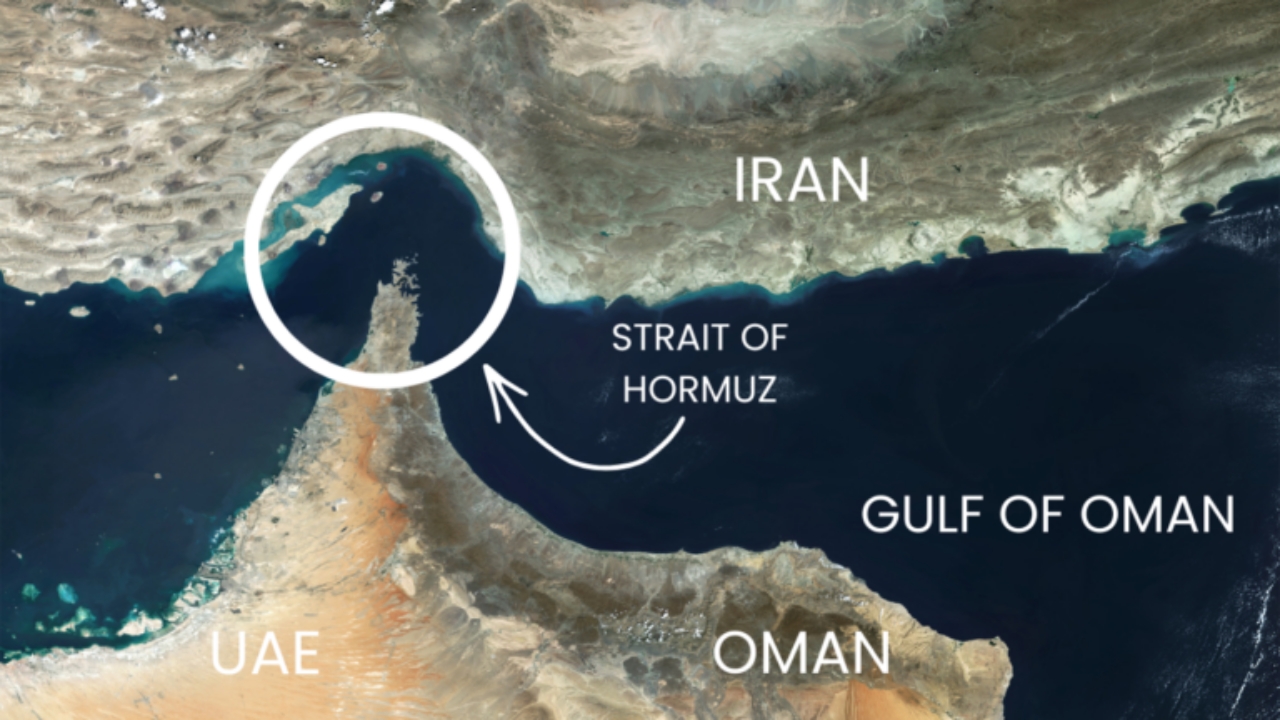
National News – Tensions escalated in the Strait of Hormuz on Thursday as Iran insisted it would keep the vital oil passage shut while a naval blockade by the United States remains in place.
The standoff comes despite a fragile ceasefire extension aimed at preventing further conflict in the Gulf region.
The dispute centers on control of maritime access: Iran’s parliament speaker, Mohammad Bagher Ghalibaf, argued that reopening the strait would undermine the ceasefire, which Tehran claims is already compromised by US naval actions.
On the other side, Washington—under President Donald Trump—has ordered military enforcement to restrict vessels linked to Iranian trade, intensifying economic pressure.
On Wednesday and into early Thursday, Iranian forces seized two commercial ships attempting to pass through the waterway, while US authorities said dozens of vessels had been turned back.
The strait, which carries roughly one-fifth of global oil supply, quickly became the focal point of renewed geopolitical anxiety, pushing crude prices upward before markets stabilised.
Diplomatic efforts, reportedly brokered by Pakistan, are ongoing, but uncertainty remains over whether Iran will fully participate in upcoming talks.
Meanwhile, conflicting narratives persist, with both sides accusing each other of violating the ceasefire terms.
Beyond the Gulf, the ripple effects are already visible. In Nigeria, energy analysts warn that any prolonged disruption could inflate fuel costs and worsen inflation, given the country’s dependence on imported refined petroleum.
Some Lagos-based traders expressed concern that rising oil prices may not translate into local economic relief but instead deepen hardship through higher transportation and commodity costs.
The broader implication is stark: a prolonged closure of the Strait of Hormuz could destabilise global energy markets, strain fragile diplomatic ties, and heighten the risk of a wider regional conflict.
For now, the world watches closely as negotiations hang in the balance and military posturing continues to define the crisis.