By Our Correspondent
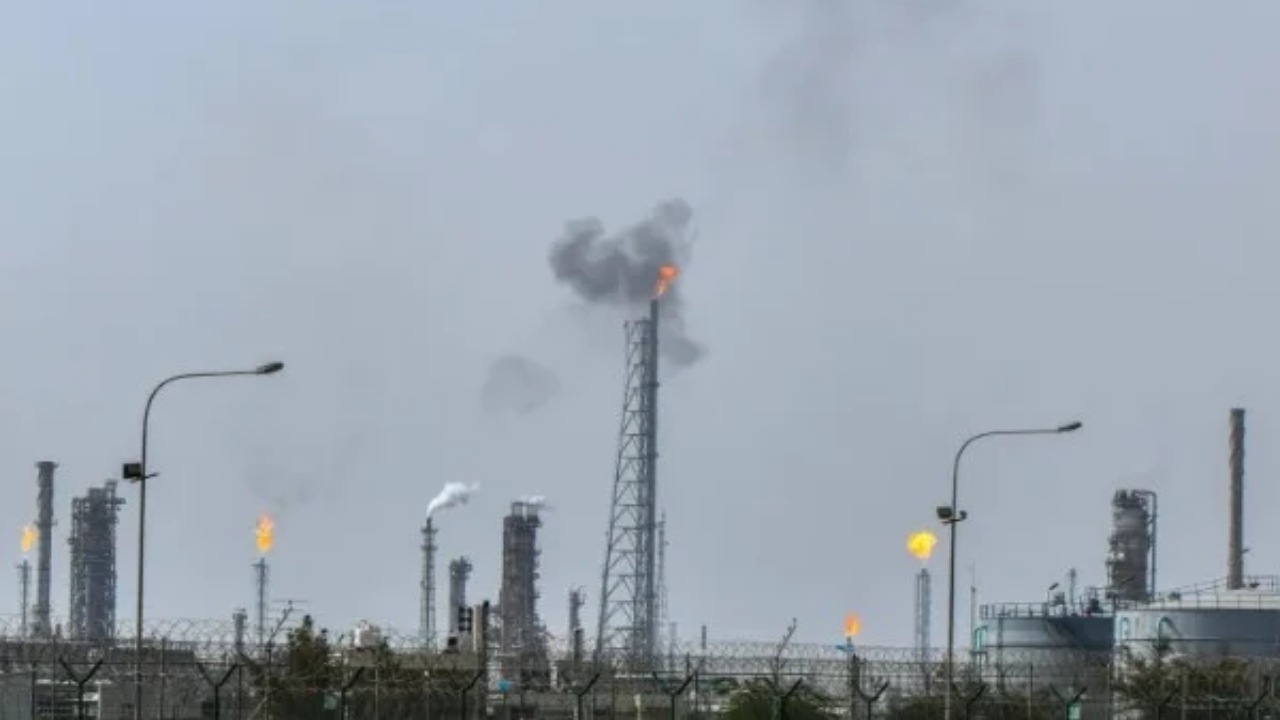
National News – A massive fire erupted at Kuwait’s Mina al-Ahmadi oil refinery following a fresh wave of drone strikes by Iran.
The assault comes as Tehran intensifies attacks on Gulf nations, even after European leaders urged restraint on targeting energy infrastructure.
The blaze adds to mounting global concerns over oil and gas supply disruptions, driving energy prices higher.
Kuwaiti firefighters worked tirelessly to contain the inferno, which follows a direct hit on Qatar’s Ras Laffan natural gas complex, highlighting the escalating regional conflict.
The tensions erupted after an Israeli strike on Iran’s South Pars gas field, prompting Tehran to retaliate.
Iranian authorities maintained that missile production continues unhindered despite ongoing strikes, signaling no intent to de-escalate.
Israel, meanwhile, claimed significant progress against Iran’s military capabilities, with Prime Minister Benjamin Netanyahu asserting the conflict could end sooner than expected.
Gulf nations, including Saudi Arabia and the UAE, reported multiple missile and drone interceptions, while Eid al-Fitr festivities were overshadowed by the violence.
The attacks have caused extensive damage to critical energy infrastructure, with Qatar estimating up to $20 billion in annual revenue losses and a five-year repair timeline for Ras Laffan.
Analysts warn that sustained disruptions could trigger a global economic shock, pushing energy prices upward and affecting consumer spending worldwide.
Lebanon also faces severe consequences, with Israeli airstrikes leading to over 1,000 casualties, intensifying regional instability.
International leaders, including France’s Emmanuel Macron, are advocating for coordinated efforts to secure the Strait of Hormuz once the hostilities cease.
As Iran marks the start of Eid, the region remains tense with fears of further escalation.
Energy markets continue to react to each development, highlighting the fragile balance between regional conflict and global economic stability.
The ongoing crisis underscores the importance of diplomatic interventions to prevent a prolonged disruption in Gulf energy supplies.