By Our Correspondent
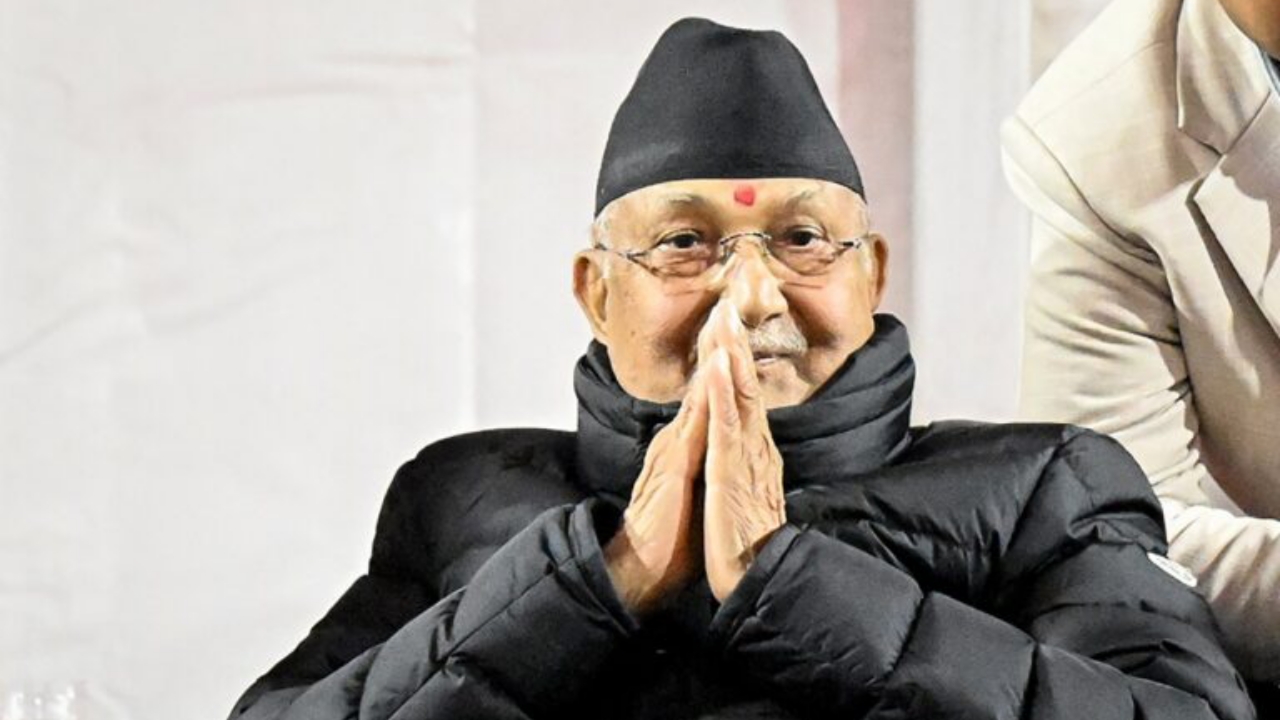
National News – A commission in Nepal has recommended the prosecution of former Prime Minister KP Sharma Oli over the deadly youth uprising that toppled his government in September 2025.
According to a leaked investigative report seen by media outlets on Thursday, the panel concluded that authorities failed to prevent the violence that left dozens dead during anti-corruption protests that erupted across the country.
The unrest occurred on September 8 and 9, 2025, when thousands of young demonstrators took to the streets in major cities including Kathmandu.
The protests initially began after a brief social media ban but quickly escalated due to widespread frustration over economic hardship, corruption, and dissatisfaction with political leadership.
Security forces opened fire during the demonstrations, resulting in at least 77 deaths and several injuries.
The report, compiled by a government-appointed commission, recommends that Nepalese authorities launch a formal investigation and possible prosecution against Oli, who served as the country’s executive head at the time of the uprising.
Investigators also recommended legal action against former Interior Minister Ramesh Lekhak and former police chief Chandra Kuber Khapung, citing their responsibility for maintaining law and order during the protests.
According to the findings, officials did not take sufficient steps to prevent further casualties after violence began.
Although investigators said there was no confirmed order instructing security forces to shoot protesters, the report noted that authorities failed to stop the gunfire once it started.
This alleged negligence contributed to the deaths of many protesters, including minors.
Medical evidence cited in the report revealed that 48 out of 63 completed autopsies showed victims died from gunshot wounds, most of which struck the chest or head.
The nationwide unrest also led to widespread destruction, including attacks on parliament buildings and government offices.
Following the uprising, former Chief Justice Sushila Karki became interim prime minister and established the commission to determine what happened.
The investigative panel interviewed more than 200 witnesses and compiled a 900-page report, along with over 8,000 pages of supporting evidence.
The political crisis eventually led to elections held on March 5, 2026, where Balendra Shah, a rapper-turned-politician, secured a landslide victory.
His party, the Rastriya Swatantra Party, won a majority in the 275-seat parliament, paving the way for Shah to become Nepal’s next prime minister.