By Our Correspondent
National News – Nigerians living in South Africa have reportedly shut down businesses and stayed indoors after violent xenophobic attacks broke out in parts of the Eastern Cape, particularly around East London.
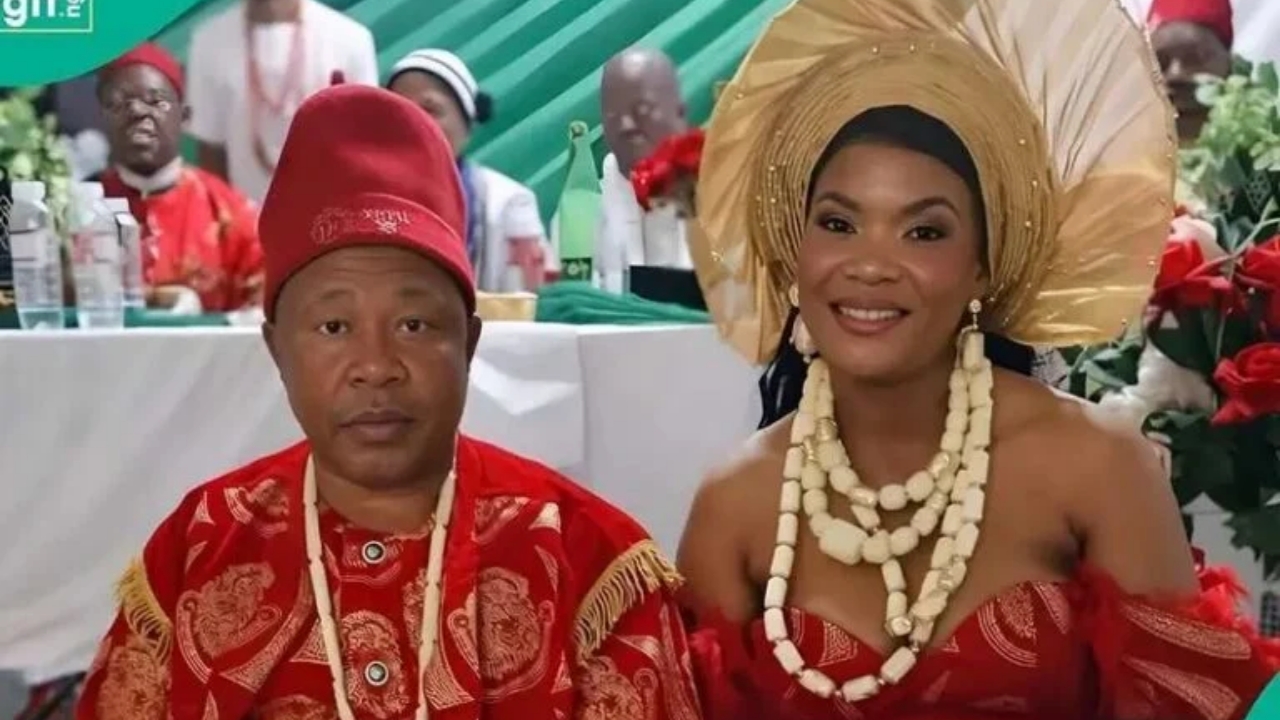
The unrest followed controversy surrounding the installation of a Nigerian Igbo leader, Solomon Eziko, as Igwe Ndigbo, a cultural title within the Igbo community.
The crisis reportedly began on Monday when angry protesters took to the streets in areas such as Albany and Buffalo streets in East London, condemning the early March installation of Eziko.
Demonstrators claimed the act disrespected South Africa’s traditional leadership system and sovereignty.
The protests quickly escalated into violent attacks targeting Nigerians and other foreign nationals.
Community leaders said at least 26 Nigerians were injured and hospitalised, while businesses, shops, and vehicles worth millions of South African rands were destroyed or looted.
Viral videos circulating online showed Nigerians being harassed, assaulted, and forced to close their shops while security personnel allegedly watched or participated.
According to the President of the Nigerian Citizens Association South Africa, Frank Onyekwelu, the demonstrations were used as an excuse to launch xenophobic attacks against foreign Africans.
He explained that anti-foreigner sentiments had been building for some time, with certain groups advocating that South Africa should be “reclaimed for South Africans.”
He alleged that the protests were a cover for looting Nigerian businesses and intimidating foreign residents.
The unrest has created widespread fear among Nigerians living in the country.
The President-General of the Nigerian Union South Africa, Smart Nwobi, confirmed that many Nigerians have remained indoors while several shops remain shut for safety reasons.
Meanwhile, the President of Ohanaeze Ndigbo in South Africa, ABC Okokoh, denied that a formal coronation took place.
He clarified that the event was merely a symbolic cultural decoration held during a private gathering and not an attempt to establish a traditional authority structure in South Africa.
Reacting to the controversy, South African government spokesperson and cabinet minister Khumbudzo Ntshavheni criticised the action, warning that foreigners must respect the country’s traditional institutions.
She described the alleged coronation as having no legal recognition under South African law and urged migrants to remember they are visitors.
Back in Nigeria, the Nigerians in Diaspora Commission confirmed it had begun reviewing reports of the attacks.
Its chairman, Abike Dabiri-Erewa, called for calm and said the Nigerian High Commission in South Africa was already engaging local authorities to prevent further violence.
Diplomatic and community leaders from both countries are expected to hold discussions aimed at reducing tensions and ensuring the safety of Nigerians living in South Africa.