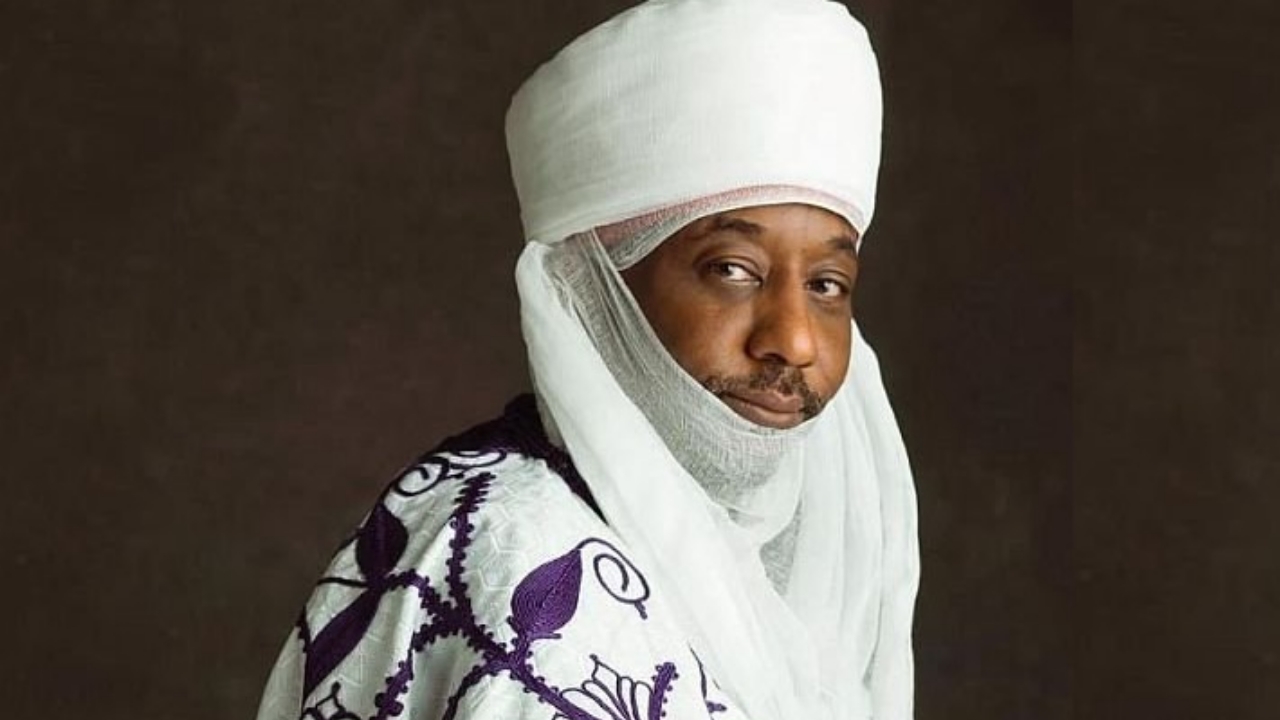
National News – The 16th Emir of Kano, Muhammadu Sanusi II, has raised fresh concerns over Nigeria’s growing debt profile, questioning why the Federal Government continues borrowing despite ending petrol subsidy payments.
He made the remarks on Friday during an interview broadcast by News Central TV, where he assessed ongoing economic reforms under President Bola Tinubu.
Sanusi argued that although subsidy removal and exchange rate liberalisation were necessary steps, their execution lacked coordination.
According to him, introducing these policies in a loose monetary environment contributed to the rapid depreciation of the naira.
He stressed that without tightening money supply first, the expected gains from reform were weakened.
The former Central Bank of Nigeria governor also highlighted what he described as a long-standing structural failure—Nigeria’s dependence on foreign refineries despite being a major oil producer.
He, however, acknowledged recent progress in domestic refining, noting that the country has begun exporting petroleum products, a shift he described as positive for economic stability.
Local reaction has been mixed. Some Lagos-based economists agree with Sanusi, arguing that Nigerians expected visible fiscal relief after subsidy removal.
Others contend that borrowing remains necessary to finance capital projects and stimulate growth in a struggling economy.
Analysis and implications: Sanusi’s critique touches on a deeper issue—fiscal credibility.
If subsidy savings are not transparently redirected into development or deficit reduction, public trust may erode further.
Continued borrowing, despite increased revenue space, risks deepening Nigeria’s debt servicing burden, which already consumes a significant share of government income.
From a policy standpoint, his argument suggests that reform sequencing matters as much as reform itself.
Without fiscal discipline and clear accountability, even well-intentioned economic changes may fail to deliver long-term stability.