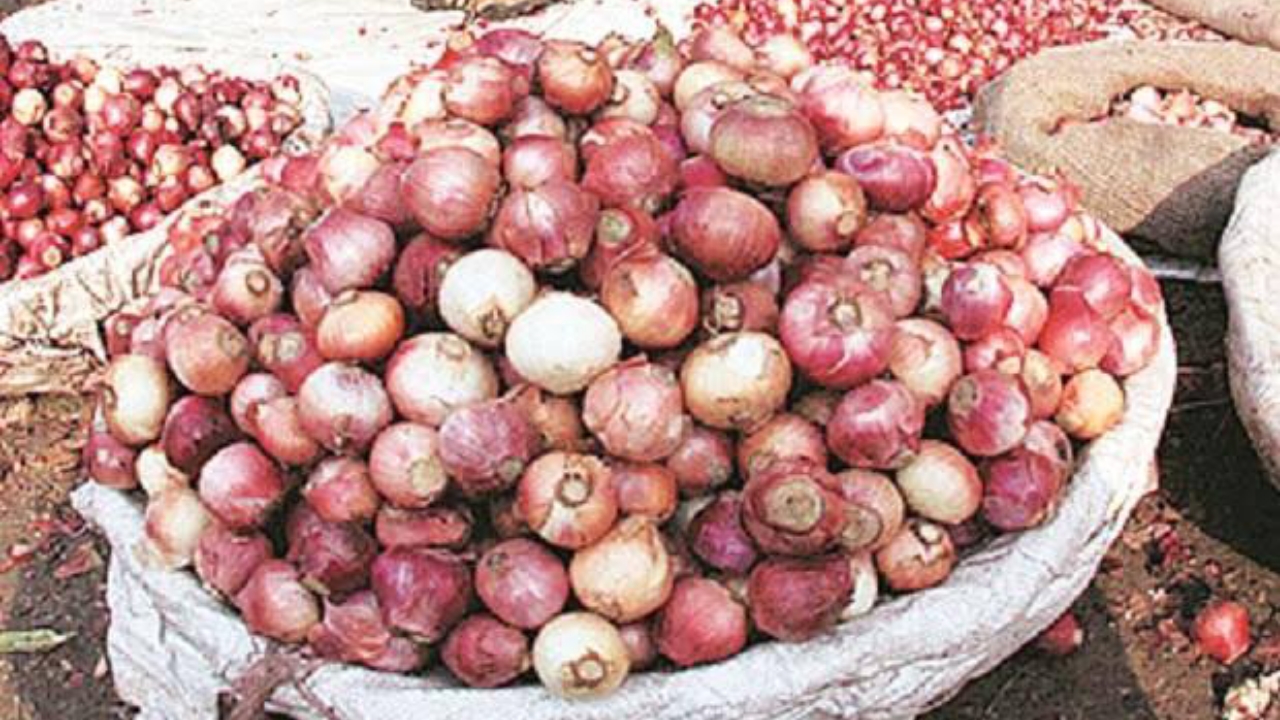
National News – A massive fire outbreak has destroyed 2,275 bags of onions in Kojiyo community, Goronyo Local Government Area of Sokoto State, leaving farmers counting losses estimated at N56.8 million.
The incident occurred on Friday afternoon around 2 p.m. and lasted nearly seven hours, razing about 65 traditional storage huts before it was contained.
The disaster, confirmed by the National President of the Onion Producers, Processors and Marketers Association, Aliyu Isah Maitasamu, affected dozens of farmers who relied on the stored produce for income and household survival.
Each bag, valued at approximately N25,000, contributed to the staggering financial loss now threatening livelihoods in the agrarian community.
While no casualties were reported, the economic impact has been severe.
Residents say the fire spread rapidly due to the highly flammable nature of the storage structures, typically made from dry grass and stalks.
Although the exact cause remains under investigation, concerns have been raised about recurring safety risks tied to traditional storage methods.
Local reactions reflect deep distress. Farmers like Abdullahi Rima and Nura Magaji described the loss as “catastrophic,” noting that their primary means of sustenance has been wiped out.
Community leaders added that several families now face immediate food insecurity, highlighting the human cost beyond the financial figures.
From a broader perspective, experts suggest the incident underscores the vulnerability of Nigeria’s rural agricultural storage systems.
Without modernization and improved fire-resistant facilities, similar losses may persist across farming regions.
However, market analysts downplay fears of a nationwide price surge, arguing the volume lost is insufficient to disrupt overall supply chains.
Authorities, including emergency agencies, are yet to complete a formal assessment, but calls for urgent intervention are growing louder.
Beyond immediate relief, stakeholders insist that long-term investment in safer storage infrastructure is critical to prevent recurring disasters and protect farmers’ resilience.