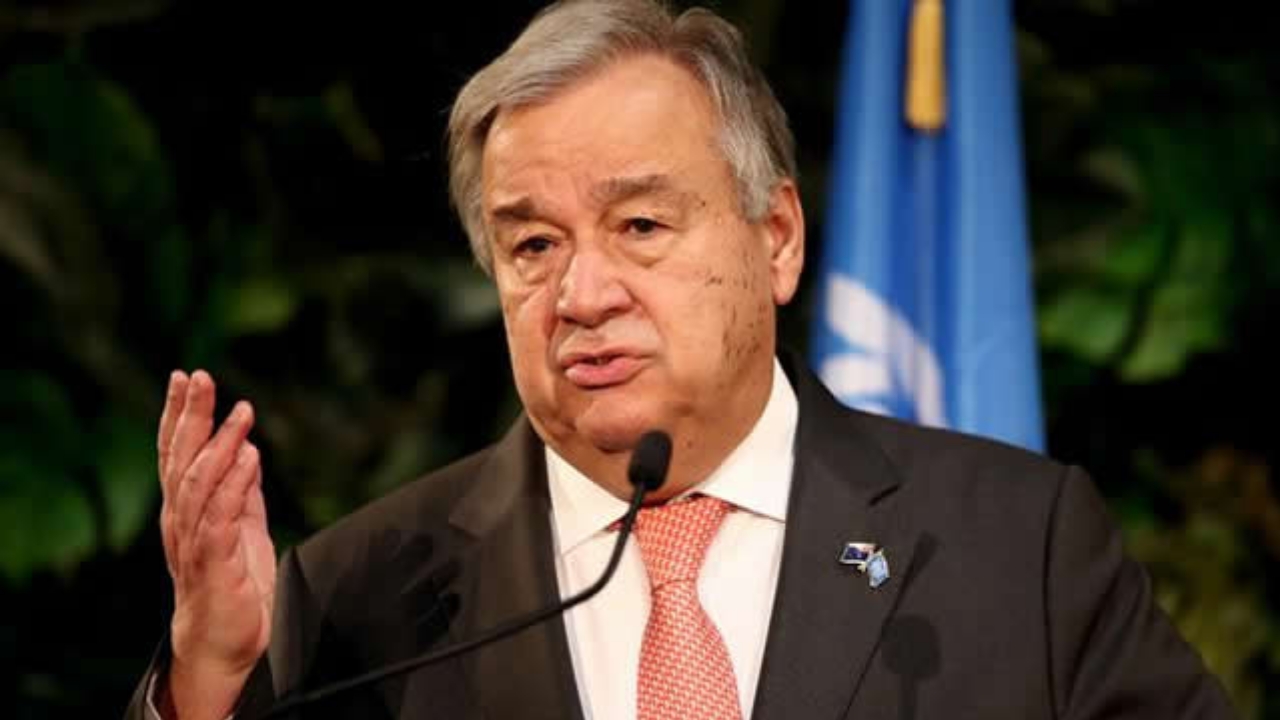
National News – Fresh concerns over migrant safety in South Africa have drawn a strong response from United Nations chief António Guterres, who condemned the rising xenophobic violence and intimidation targeting foreign nationals.
The warning follows reported attacks in KwaZulu-Natal and Eastern Cape, where migrants—many of them Africans—have faced threats, assaults, and displacement.
Speaking through his spokesperson Stéphane Dujarric, Guterres criticised what he described as criminal acts fueled by hate and urged authorities to act swiftly.
He stressed that such violence contradicts the very foundation of South Africa’s democracy, which was built on global solidarity during the anti-apartheid struggle.
According to him, inclusive societies cannot tolerate vigilantism or ethnic scapegoating, regardless of economic pressure.
The crisis, analysts say, is rooted in persistent unemployment, inequality, and competition over scarce resources, particularly in urban and semi-urban communities.
While the South African government has acknowledged these pressures and rolled out a National Action Plan against racism and xenophobia, critics argue implementation has been inconsistent and often reactive rather than preventive.
Across Nigeria and other African countries, the developments have triggered unease, especially among citizens living and working in South Africa.
Public sentiment reflects a mix of frustration and concern, with calls for stronger diplomatic engagement and better protection mechanisms for nationals abroad.
The Nigerian government has previously demanded accountability in similar incidents, signaling that patience may be wearing thin.
The implications stretch beyond immediate violence.
Continued attacks risk damaging regional integration efforts, weakening investor confidence, and straining diplomatic ties across the continent.
They also challenge Africa’s broader narrative of unity and free movement.
Ultimately, Guterres’ message is both a warning and a call to action: investigate attacks transparently, hold perpetrators accountable, and reaffirm a commitment to coexistence.
Without decisive steps, the cycle of xenophobia could deepen divisions and undermine the progress South Africa represents on the global stage.