By Our Correspondent
National News – A daring search is ongoing in southwestern Iran for a missing US Air Force crew member after an F-15 fighter jet was reportedly downed.
Early reports suggest one pilot has been rescued, while efforts continue to locate a second airman, CBS News and BBC sources confirm.
The rescue operation highlights the extreme risks of Combat Search and Rescue (CSAR) missions in hostile territory.
Combat Search and Rescue missions are highly complex, time-sensitive military operations designed to locate, aid, and recover personnel in danger.
Unlike conventional search-and-rescue efforts, CSAR missions occur in contested or enemy-controlled environments, often requiring helicopters, refueling aircraft, and additional military support.
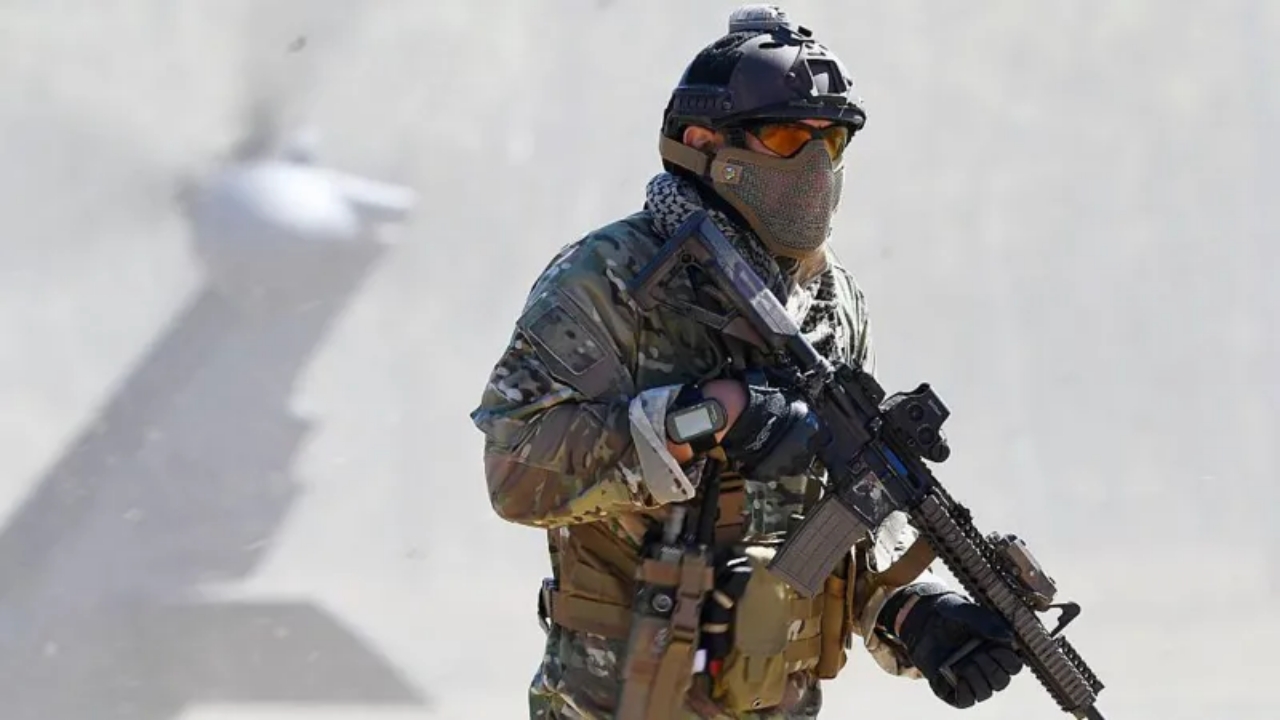
US pararescue teams, elite units trained for such missions, are prepared to parachute into hostile zones, provide medical aid, evade capture, and extract the missing crew member safely.
Experts describe the operations as “harrowing and massively dangerous,” emphasizing the critical coordination needed in enemy territory.
Video from Khuzestan province shows US helicopters and at least one refueling aircraft conducting search activities.
Iranian officials have urged citizens to locate the missing airman and reportedly offered rewards for their capture, signaling the high stakes of the operation.
According to Laurel Rapp of Chatham House, recovering the crew member would give Iran a “powerful bargaining chip.”
Historically, CSAR missions date back to World War I, with modern operations refined during the Vietnam War and later conflicts in Iraq and Afghanistan.
US Air Force pararescue teams, also known as PJs, undergo an intense two-year training pipeline covering parachuting, diving, battlefield medicine, and survival techniques.
Led by Combat Rescue Officers, these teams ensure no US personnel are left behind.
Recent missions include high-profile rescues like F-117 pilots in 1999 and Scott O’Grady in 1995.
Today, the Iran search operation demonstrates the ongoing importance of CSAR expertise and rapid response under extreme risk.