By Our Correspondent
National News – Rising global crude oil prices triggered by tensions between the United States and Iran have forced at least 18 countries across Africa, Europe, Asia and the Americas to introduce subsidies, fuel tax cuts and transport support schemes to protect citizens from worsening inflation and high living costs.
The measures were introduced between February and May 2026 as Brent crude climbed above $105 per barrel, sparking fears of economic instability, rising transport fares and increased food prices worldwide.
Countries including Kenya, South Africa, Namibia, Egypt, India, Indonesia, France, Germany, Brazil, the United Kingdom and the United States rolled out emergency interventions to cushion households and businesses from the impact of soaring fuel prices.
Governments adopted strategies such as reducing fuel levies, maintaining price caps, expanding electricity subsidies and supporting public transportation systems.
In Kenya, President William Ruto announced fuel subsidies and Value Added Tax reductions to moderate pump prices and ease pressure on consumers.
South Africa approved temporary fuel levy cuts, while Namibia suspended selected fuel levies and committed billions through its National Energy Fund to offset fuel costs.
Asian nations also intensified intervention programmes.
India slashed excise duties on petrol and diesel, while Indonesia expanded fuel subsidies and electricity support for millions of households.
Malaysia and Thailand maintained fuel price caps to prevent inflation shocks.
European countries including France, Germany and Greece expanded fuel rebate programmes and transport incentives to reduce household expenses.
The United States released crude oil from its Strategic Petroleum Reserve as lawmakers debated temporary gasoline tax relief.
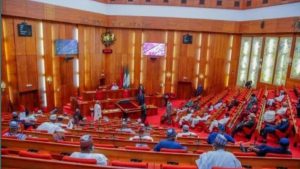
Despite being Africa’s largest oil producer, Nigeria has yet to unveil major relief measures for citizens facing rising transportation, food and energy costs.
Finance Minister Taiwo Oyedele said the Federal Government would not return to fuel subsidies or impose price controls, insisting that market reforms remain a priority.
Economists and labour unions have warned that rising fuel prices could worsen inflation, deepen poverty and increase pressure on Nigerian households already struggling with high living costs.