By Our Correspondent
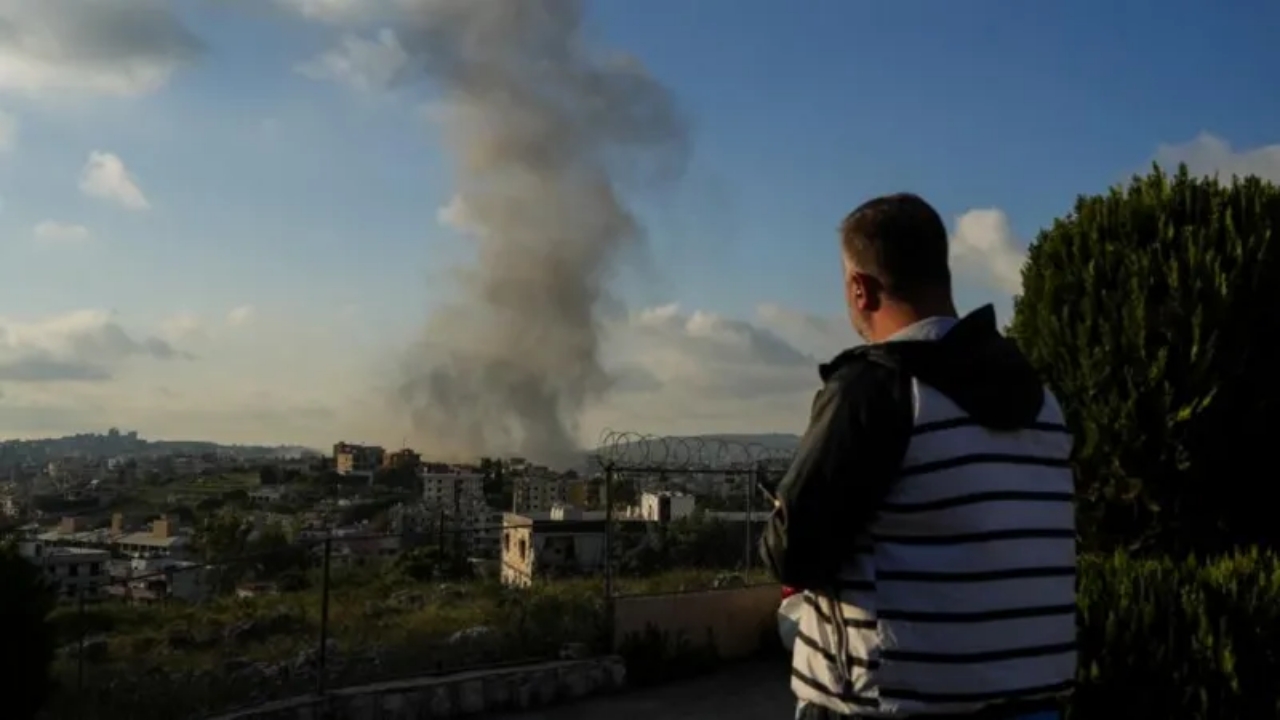
National News – At least 13 people, including four women and a child, have been killed in fresh Israeli air strikes in southern Lebanon, according to the country’s health ministry.
The attacks occurred on Friday in multiple areas, including Haboush in Nabatieh district, Zrarieh in Sidon district, and Ain Baal in Tyre district.
Officials confirmed that 32 others were injured in the strikes.
The Israeli military, known as the Israel Defense Forces, had earlier issued evacuation warnings in some of the affected areas before carrying out the operations.
The escalation comes amid continued tensions between Israel and the Iran-backed militant group Hezbollah, despite a three-week ceasefire extension supported by the United States.
While the truce has largely reduced attacks on Beirut, fighting has continued in southern Lebanon, with repeated air raids and counterattacks reported.
Hezbollah said it launched strikes targeting Israeli troops and military vehicles, while Israel confirmed one soldier was killed earlier in the week, bringing its military death toll in the area to 17 since March.
The conflict intensified after Israeli and US strikes on Iran in February triggered retaliatory attacks by Hezbollah in early March.
Since then, Israeli forces have carried out extensive bombing campaigns and re-entered southern Lebanon, reportedly occupying a strip of land along the border.
According to Lebanese authorities, more than 2,500 people have been killed since March, including healthcare workers, although no distinction has been made between civilians and combatants.
Diplomatic efforts to stabilise the situation are ongoing.
Talks involving Lebanese President Joseph Aoun and Israeli Prime Minister Benjamin Netanyahu have been proposed as a pathway toward restoring sovereignty and security in the region.
However, with continued hostilities and fragile ceasefire terms, the humanitarian situation remains critical.