
By Our Correspondent
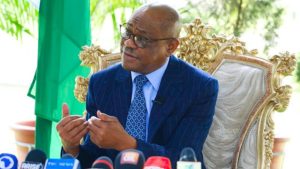
National News – Director-General of the Energy Commission of Nigeria, Mustapha Abdullahi, has denied reports alleging that he was arrested by the Economic and Financial Crimes Commission over an alleged N500bn fraud investigation.
The clarification came on Wednesday in Abuja after widespread media reports claimed the ECN boss was being held in EFCC custody.
According to a statement issued by his media aide, Alhaji Abdulrasaq Danjuma, Abdullahi only honoured an invitation from the anti-graft agency as part of an ongoing investigation.
The statement explained that his appearance before the commission was voluntary and in line with due process, transparency, and respect for lawful authorities.
The ECN chief stressed that he was neither detained nor arrested by the EFCC.
He urged Nigerians, stakeholders, and supporters to avoid spreading misinformation, speculation, and unverified claims capable of creating tension or damaging ongoing investigative processes.
Abdullahi also appealed to the public to allow security and anti-corruption agencies to carry out their constitutional responsibilities without interference.
He noted that the allegations currently circulating in the media remain under investigation and should not be treated as established facts until a competent court rules otherwise.
The statement further emphasised the principle of presumption of innocence, maintaining that every citizen deserves fair treatment under the law.
It added that the ECN boss remains committed to accountability and cooperation with relevant authorities throughout the process.
Earlier reports had claimed that the EFCC detained Abdullahi in connection with an alleged N500bn fraud probe linked to the Energy Commission of Nigeria.
However, efforts to get official confirmation from EFCC spokesperson, Dele Oyewale, reportedly proved unsuccessful as of press time.
A source within the anti-graft agency, who requested anonymity, alleged that investigators were examining financial transactions involving huge public funds tied to the commission.