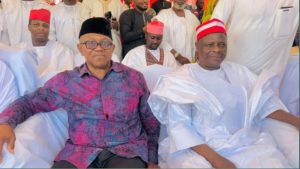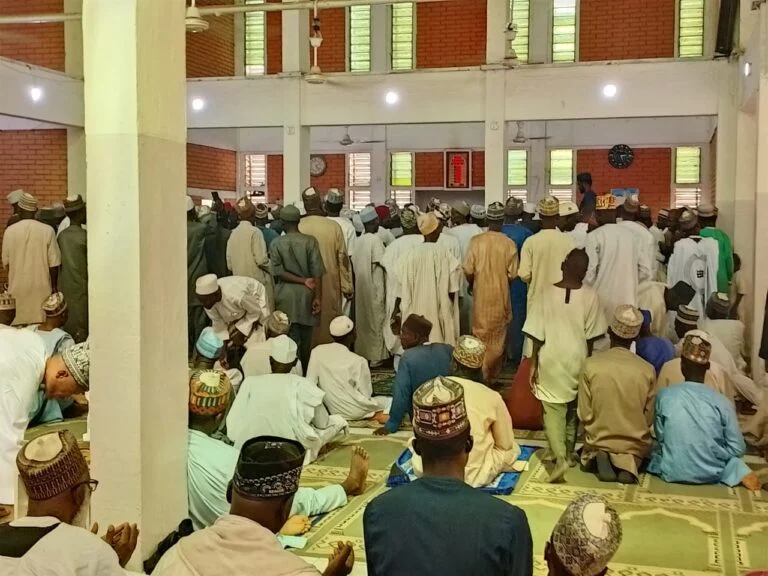
Family members, Islamic scholars and prominent dignitaries on Friday gathered in Kano for special prayers marking the 50th anniversary of the death of Nigeria’s former Military Head of State, General Murtala Ramat Mohammed.
The prayer session, organised by the Murtala Mohammed Foundation, formed part of activities commemorating five decades since the assassination of the former leader on February 13, 1976.
The solemn event took place at the Murtala Muhammad Mosque in the Tudun Maliki area of Kano metropolis, drawing a large crowd of worshippers and well-wishers.
General Mohammed ruled Nigeria from July 1975 until his assassination, a brief but impactful tenure that continues to shape national discourse.
The Chief Imam of the mosque, Sheikh Kabiru Dan-Taura, led the prayers, which featured recitations from the Holy Qur’an and supplications for the repose of the late leader’s soul.
Speaking after the session, Sheikh Dan-Taura said the late Head of State would remain etched in Nigeria’s history due to his selfless service and visionary leadership.
“Though his leadership was brief, his impact on the lives of Nigerians was profound and enduring,” he said.
The cleric urged leaders at all levels to emulate General Mohammed’s leadership style, stressing that good governance leaves a lasting legacy.
“Whoever does good will not only be remembered but will also be rewarded,” he added.
Following the prayers, Sheikh Dan-Taura led family members and notable attendees to General Mohammed’s graveside, where additional prayers were offered.
Risqua Mohammed, son of the late Head of State, who spoke on behalf of the family, expressed gratitude to the people of Kano and Nigerians nationwide for keeping his father’s memory alive five decades after his death.
“I thank Almighty God for witnessing this gathering. Fifty years later, people still remember our father, and we are deeply grateful,” he said.
In separate remarks, two cousins of the late leader, Ambassador Umar Wali and Ado Kurawa, thanked attendees and prayed for divine rewards for those who honoured the occasion.
General Mohammed, Nigeria’s fourth Head of State, is widely remembered for his bold reforms, anti-corruption stance, and decisive leadership.
His administration initiated sweeping civil service reforms, created new states, relocated Nigeria’s capital to Abuja, and strongly supported anti-colonial liberation movements in Southern Africa, earning him both national admiration and international recognition.