Syria and Saudi Arabia signed major agreements on Saturday, marking a new chapter in post-war reconstruction. The deals include the launch of a joint low-cost Syrian-Saudi airline and a $1-billion telecommunications infrastructure project, signaling growing investment ties between the two nations.
The agreements were announced by Syrian Investment Authority chief Talal al-Hilali, who highlighted the establishment of a new airline to enhance regional and international air connectivity. The deals also cover the redevelopment of Aleppo International Airport and expansion of the existing facilities to accommodate increased air traffic.
As part of the $1-billion SilkLink project, Syria will modernize its telecommunications and digital infrastructure, according to Syrian Telecommunications Minister Abdulsalam Haykal. The initiative is expected to strengthen internet access, mobile networks, and digital services across the country.
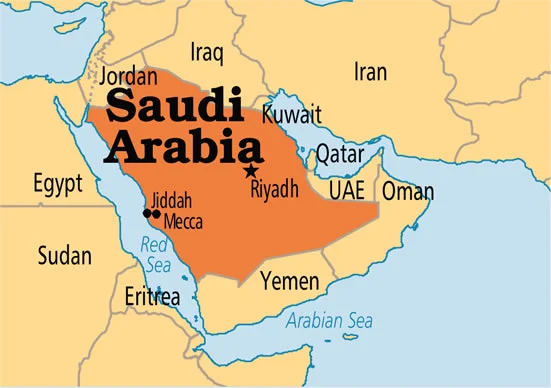
Saudi Arabia, a key backer of Syria’s post-2024 authorities, also signed agreements on water desalination projects and broader development cooperation. Saudi Investment Minister Khalid Al-Falih announced a new investment fund for major Syrian projects with participation from the Saudi private sector.
“These agreements focus on vital sectors that impact people’s daily lives and are essential for rebuilding the Syrian economy,” said Talal al-Hilali.
The deals follow a series of investment initiatives in Syria after the United States lifted remaining sanctions on Damascus late last year, opening the door for foreign capital. Last year, Riyadh signed $6.4 billion in infrastructure, telecom, and investment deals with Damascus, followed by another $14 billion in agreements covering airports, transport, and real estate.
This week, Syria also signed preliminary agreements with Chevron and Qatar’s Power International for offshore oil and gas exploration, highlighting the country’s push to attract energy investments.
The new agreements with Saudi Arabia are part of a broader effort to rebuild Syria’s post-war economy, improve connectivity, and foster stronger regional partnerships.