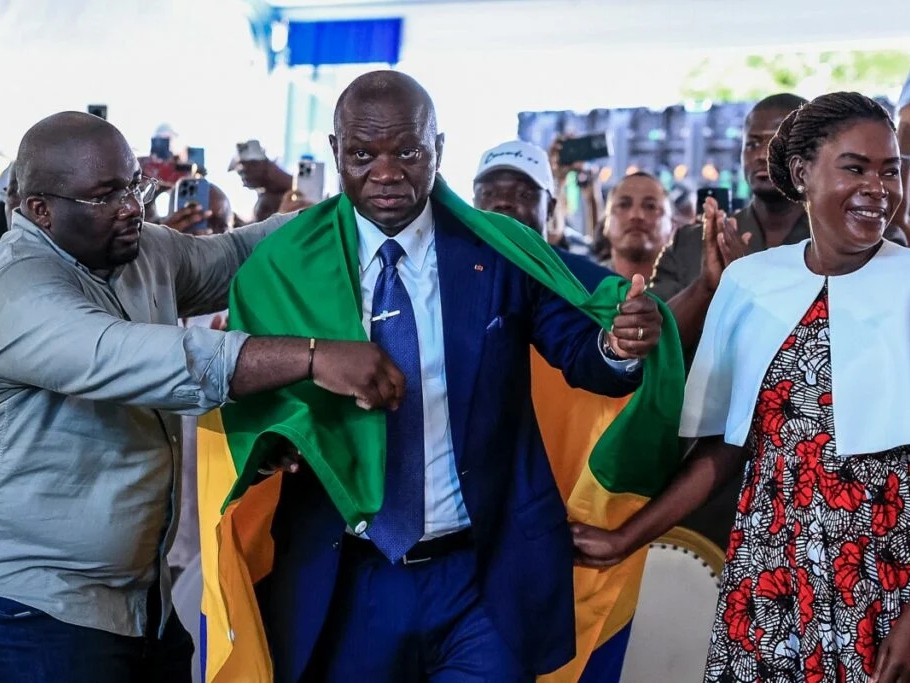
The government of Gabon has ordered the suspension of major social media platforms, including Facebook and TikTok, citing the spread of hate speech, fake news, and content capable of triggering social conflict.
Journalists from Agence France-Presse (AFP) confirmed on Wednesday that the platforms were inaccessible across the country, just hours after the announcement by Gabon’s media regulator.
Why Gabon Suspended Facebook and TikTok
The High Authority for Communication imposed the immediate suspension of social media platforms “until further notice,” warning that certain online posts were fueling division and instability.
According to spokesperson Jean-Claude Mendome, authorities identified “inappropriate, defamatory, hateful, and insulting content” as a direct threat to human dignity, public morality, and national security. The regulator also cited the spread of misinformation, cyberbullying, and the unauthorised disclosure of personal data as serious concerns.
Officials argued that such digital activities could destabilise institutions of the Republic, weaken social cohesion, and jeopardise national unity and democratic progress.
Social Unrest and Political Tensions
The suspension comes at a politically sensitive time. Less than a year after taking office, President Brice Oligui Nguema is grappling with mounting public sector unrest.
Teachers began strike action in December over salary and working conditions, with protests later spreading to health workers, university staff, and broadcasting employees.
While the regulator stressed that freedom of expression remains a constitutional right in Gabon, the social media ban is widely viewed as an attempt to prevent further mobilisation and curb the online amplification of grievances during a period of heightened national tension.
The suspension remains in effect indefinitely, with authorities yet to announce a timeline for restoration.