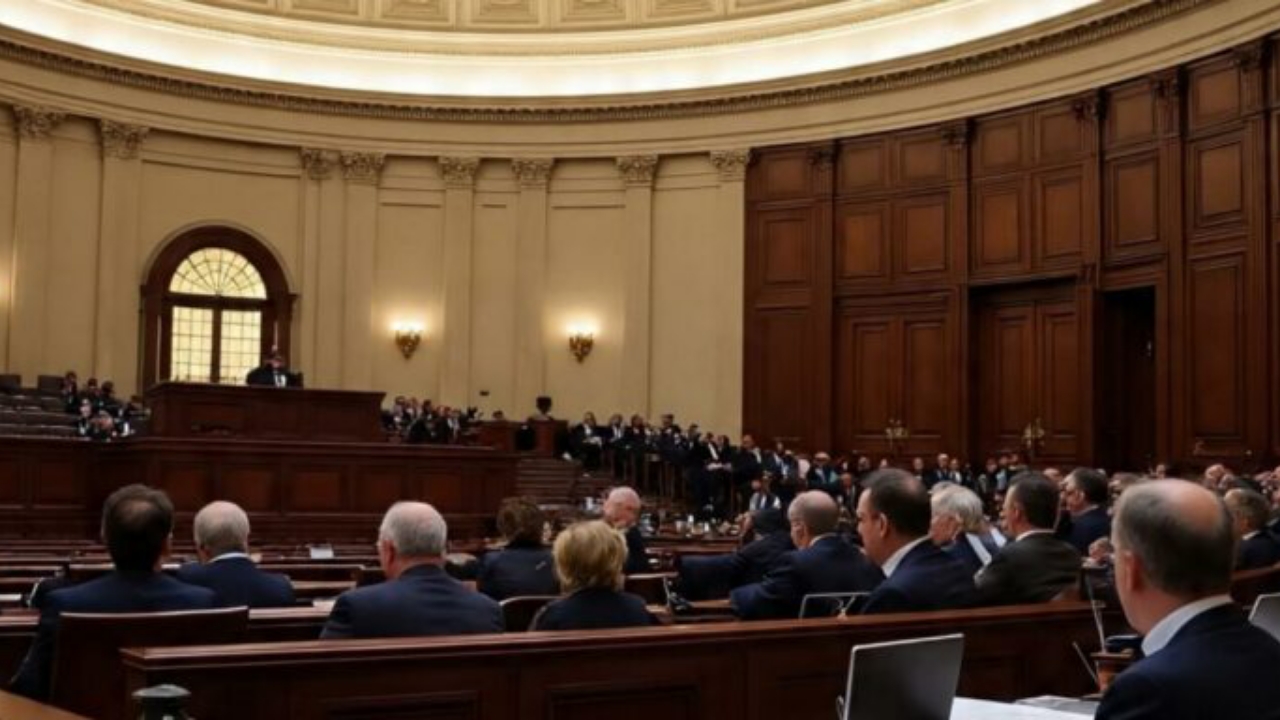
National News – The United States Congress has opened a formal investigation into airstrikes carried out in Nigeria on December 25, 2025, during the Trump administration, seeking clarity on legality, targets, and outcomes after reports raised questions about civilian harm, intelligence reliability, and coordination with Nigerian authorities in Sokoto State.
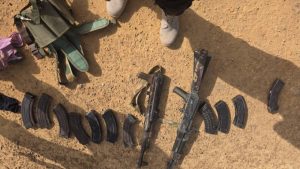
Lawmakers led by Sara Jacobs and Jason Crow said in a March 9, 2026 letter that the operation, announced by US President Donald Trump, involved strikes against alleged Islamic State-linked militants in north-west Nigeria, though officials in Abuja previously said the mission was authorised and within sovereignty limits.
Questions have now shifted to Washington, where Congress is reviewing the legal authority under the War Powers framework, as lawmakers ask whether the Pentagon properly reported the strikes and whether intelligence assessments accurately identified militant positions in Sokoto and nearby areas.
They also raised concerns over reported missile malfunctions, possible civilian casualties, and claims that some targets may have been misidentified, including incidents allegedly affecting farmland and residential zones near Tambuwal and Ofa.
Nigerian security analysts and residents remain divided, with some welcoming foreign support against insurgents while others question transparency and the risk of misinformation influencing public perception of security operations in the region.
Analysts say the inquiry could strain US-Nigeria defence cooperation if civilian harm allegations are substantiated, while also reopening debate on oversight of overseas military actions and the effectiveness of counterterrorism strikes in complex environments.
The Pentagon has not yet publicly responded to the congressional request, while lawmakers have demanded detailed accounting of costs, troop deployments, and future US military posture in Nigeria.
Security experts note that the controversy highlights broader challenges in verifying battlefield claims in remote conflict zones, especially where intelligence sharing between international partners is limited.
The outcome of the US congressional inquiry may influence future military cooperation with Nigeria, particularly around transparency, civilian protection, and oversight of cross-border counterterrorism operations in West Africa.
It also underscores rising scrutiny in Washington over authorisation processes for overseas strikes and their geopolitical consequences.