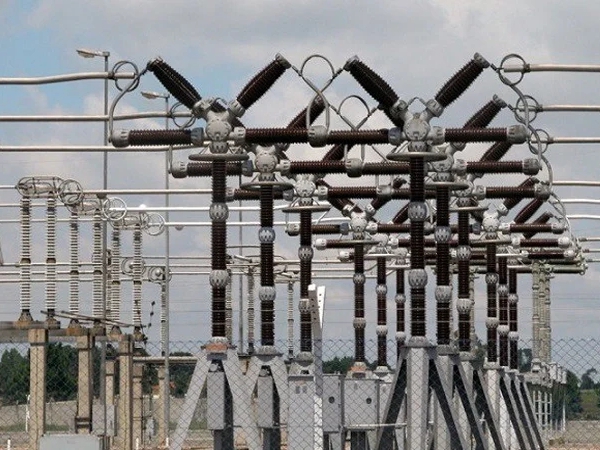
Nigeria’s power generation companies (GenCos) have disclosed that unpaid electricity invoices have climbed to nearly N6 trillion, heightening concerns over the sustainability of electricity supply and the deepening liquidity crisis in the power sector.
Operating under the umbrella of the Association of Power Generation Companies, the firms said the massive debt burden stems from persistent revenue shortfalls, tariff gaps, and weak remittances across the electricity value chain. The GenCos, who generate electricity and supply it to the national grid, are entitled to about 60 per cent of market receivables but say outstanding payments now exceed N6tn.
In a statement issued by its Chief Executive Officer, Joy Ogaji, the association warned that the mounting electricity debt is severely limiting investments in plant maintenance, gas procurement, and capacity expansion. She stressed that without urgent intervention, Nigeria’s already fragile power supply could deteriorate further.
The association also rejected allegations by the Nigeria Labour Congress that electricity firms were engaged in “institutionalised extortion.” Ogaji described the claims as inflammatory and misleading, arguing that they ignore the structural challenges that have plagued Nigeria’s power sector since its 2013 privatisation.
The latest dispute follows comments by NLC President, Joe Ajaero, who accused power firms of exploiting Nigerians through tariff adjustments and alleged hidden subsidies. Labour has also threatened industrial action, raising fresh concerns over sector stability.
GenCos insisted they are open to forensic audits and scrutiny, urging stakeholders to focus on coordinated reforms to address longstanding liquidity challenges. Energy experts warn that unless revenue collection improves and funding gaps are closed, Nigeria risks worsening power shortages, reduced industrial productivity, and slower economic growth.